It’s tempting to want to touch or pick at painful, swollen acne cysts. However, cystic acne is more likely than other zits to scar or develop infections. A dermatologist can offer suggestions to prevent cystic acne and treat painful acne cysts, lowering the chances of scarring. Antibiotics and topical (skin) creams are effective cystic acne treatments.
Understanding Cystic Acne
Cystic acne is the most severe form of acne, characterized by deep, inflamed cysts that form below the skin's surface. Unlike milder forms of acne that affect pores near the surface, cystic acne penetrates deeper into the skin tissues, leading to prolonged inflammation and extended healing times. These lesions are often large, painful, and can persist for weeks or even months if left untreated. The surface of the skin may show swollen, red bumps that are incredibly painful to touch due to the underlying inflammation.
Most pimples occur when a pore gets clogged with oil, dirt, or dead skin cells. Sometimes, bacteria can also get trapped inside the pore, creating a localized infection that makes the area red and slightly painful. Although these pimples should not be popped, they are generally easier to deal with and will usually go away after some time. Cystic acne, on the other hand, does not typically resolve on its own. It occurs when bacteria cause inflammation deep in the skin, creating large cysts filled with fluid. Unlike normal pimples, these cysts don’t have a poppable 'head' and are regularly found underneath layers of skin on the face, neck, and back, although cystic acne can be found anywhere on the body.
The symptoms of cystic acne include:
- Large, painful pimples.
- Lumps under the skin that may not form a head or may take weeks to form a head.
- Inflammation and swelling on the skin.
This type of acne can take longer to heal than other types and is also more likely to cause scars than less severe forms. Rarely, people can develop acne conglobata, a severe form of acne that causes deep acne cysts to join together under the skin’s surface, sometimes containing an unpleasant-smelling fluid.
Causes of Cystic Acne
The cause of cystic acne is often multifactorial, typically resulting from a combination of genetics, hormones, and lifestyle factors. While scientists have long searched for a dietary cause, some studies suggest that breakouts can be triggered by excess processed sugar consumption or significant changes in diet. However, specific "acne diets" are not always recommended, but a healthy diet and paying attention to potential trigger behaviors are advised.
Hormonal fluctuations are a significant contributor to cystic acne. Increased testosterone during puberty, menstruation, pregnancy, menopause, or due to certain medical conditions like polycystic ovarian syndrome (PCOS) can lead to increased oil production in the skin. Androgens, like testosterone, tend to make acne worse, while estrogens can make it better. Fluctuations in testosterone may cause acne breakouts in women, particularly in conditions such as PCOS. If acne worsens around menstrual periods, or if there is excess hair growth or irregular periods, it is important to consult with a gynecologist and a dermatologist.
Genetics also play a role; children of parents who had cystic acne have a higher chance of developing it themselves, even if they have clear skin initially. Establishing good skincare habits from a young age is recommended for individuals with a genetic predisposition.
Other potential causes include:
- Make-up or cosmetics that clog pores.
- Poor skin hygiene.
- Certain medications, such as oral contraception, steroids, or lithium.
- Stress, which can trigger the release of androgens.
- The skin's microbiome, as certain bacteria species can cause inflammation.
While some people find that certain foods aggravate their acne, such as those with a high glycemic index (GI) and dairy products, these factors may not lead to cystic acne in isolation. However, in combination or in certain individuals, they may contribute to breakouts.
Cystic Acne vs. Hormonal Acne
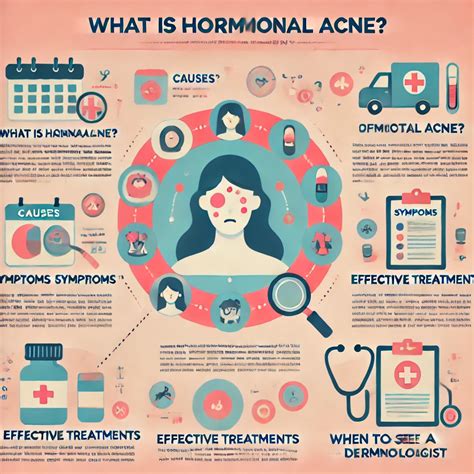
It's important to distinguish cystic acne from hormonal acne, as their triggers and treatments can differ. While both can be severe and painful, cystic acne is primarily caused by an infection in the dermis when pores are clogged with oil, dead skin, and bacteria. Hormonal acne, on the other hand, is triggered by hormonal fluctuations and is common in adult women, particularly those with PCOS, though it also affects teens.
Here's a comparison:
| Feature | Cystic Acne | Hormonal Acne |
|---|---|---|
| Depth and Severity | Deep, severe, painful cysts under the skin filled with pus; often leave scars. | Moderate to severe; deep, tender nodules or cysts, but usually smaller clusters than full cystic outbreaks. |
| Location Patterns | Can appear anywhere, including the face, chest, back, and shoulders. | Most often along the chin, jawline, forehead, and lower cheeks. |
| Triggers | Excess oil and dead skin buildup, bacteria, and inflammation; genetics often play a role. | Excess oil due to stress and hormonal fluctuations during the menstrual cycle, puberty, PCOS, and menopause. |
| Speed of Onset | Develops slowly beneath the skin and can linger for weeks or months. | Often cyclical, flaring up before a period and then subsiding. |
| Scarring Risk | Very high, since cysts often damage skin tissue. | Moderate - depends on severity and whether breakouts are picked at. |
| Population Most Affected | Teens and young adults, but can occur at any age. | More common in adult women, though men can also experience it. |
| Duration | Long-lasting, individual cysts may persist for weeks or months. | Chronic, tends to recur in cycles tied to hormonal changes. |
Hormonal acne typically improves once hormone levels stabilize. For cystic acne, skin redness and inflammation are deep-rooted and require professional treatment.
How Long Does Cystic Acne Last?
Cystic acne lesions often last several weeks and sometimes longer if untreated. A single cystic pimple can last two to six weeks, depending on its severity and the treatment applied. While some mild cysts may eventually improve on their own, many do not fully resolve without intervention. Even when cysts shrink, they can leave behind scars or dark marks. With the right dermatologic treatment, inflammation usually improves within a few weeks, though full clearing can take several months depending on the severity of the acne.
Treatments for Cystic Acne
Because cystic acne is a severe form of acne, it typically cannot be treated with simple over-the-counter creams or face washes. It is crucial to see a dermatologist as soon as possible to decrease the likelihood of permanent scarring and to develop a comprehensive treatment plan.
At-Home Care and Prevention
While professional treatment is often necessary, some at-home measures can help manage and prevent cystic acne:
- Hands Off! Avoid picking, pushing, or squeezing cystic acne. This can spread bacteria, worsen inflammation, and lead to scarring.
- Gentle Cleansing: Wash your face up to twice daily and after sweating using gentle, non-abrasive, alcohol-free products.
- Topical Treatments: Products containing active ingredients like benzoyl peroxide, salicylic acid, and azelaic acid can be helpful, especially when the pimple is nearer the surface.
- Warm Compresses: Applying a warm compress (a clean cloth soaked in hot water) for 10 to 15 minutes, 3 to 4 times a day, can help bring a whitehead to the surface and promote healing.
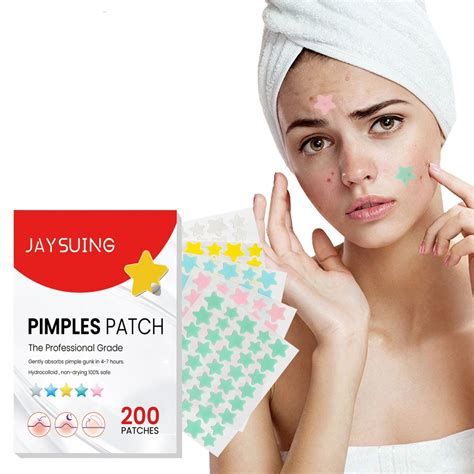
- Acne Patches: Hydrocolloid bandages or acne patches can absorb pus and oil, create a protective barrier, and help speed up healing by keeping cysts clean and undisturbed.
- Stress Management: Stress can trigger acne flare-ups. Incorporating mindfulness or relaxation techniques into your daily routine can be beneficial.
- Healthy Lifestyle: Maintaining a healthy diet, exercising regularly, and getting sufficient sleep can support overall skin health.
- Non-Comedogenic Products: Use oil-free and non-comedogenic skincare products and cosmetics that do not clog pores.
- Sun Protection: Many acne treatments increase skin sensitivity to UV light. Wearing facial sunscreen daily is important.
Professional Dermatologist Treatments
When at-home options are insufficient, a dermatologist can offer a range of effective treatments:
- Oral Antibiotics: Medications like sarecycline, doxycycline, or minocycline help control bacterial breakouts, reduce redness, and decrease inflammation. They are often given at a lower dose than those used for infection, targeting bacteria in clogged pores and inflammation.
- Topical Retinoids: These vitamin A derivatives (e.g., tretinoin, adapalene) help exfoliate the skin, unclog pores, reduce inflammation, and speed up skin cell turnover. They can be irritating, so using oil-free moisturizers is important.
- Isotretinoin (Accutane): This powerful oral medication is a form of vitamin A used for severe and persistent cystic acne. It significantly reduces oil gland production and prevents pores from becoming clogged. It is often considered a "cure" for acne, with high success rates after a single course. It is not suitable for use during pregnancy or nursing.
- Hormonal Treatments:
- Birth Control Pills: For women, oral contraceptives can help regulate hormonal changes that affect cystic acne by lowering testosterone levels and reducing sebum production.
- Spironolactone: This medication blocks the effects of testosterone on the skin and is often prescribed for women with hormonal cystic acne.
- Corticosteroid Injections: A small amount of steroid can be injected directly into a cyst to rapidly calm inflammation, reduce swelling, and speed up healing. This is a quick solution for flattening cystic acne and relieving pain.
- Chemical Peels: Treatments using salicylic acid or pyruvic acid can exfoliate the skin's surface layers, helping to remove dead skin cells and unclog pores.
- Photodynamic Therapy: This involves applying a topical photosensitizer and then exposing the skin to a specific light source to destroy acne cysts and bacteria.
- Laser and Light Therapies: Various laser and light-based treatments can reduce acne-causing bacteria and calm inflammation.
- In-Office Procedures: Dermatologists may perform procedures like drainage of large cysts or other techniques to manage severe breakouts.
Doctor explains ACNE | Causes, symptoms, treatment and more!
Treating Acne Scars
Cystic acne can lead to acne scars, particularly if the acne is advanced and has persisted for a long time. Acne scarring is due to the inflamed cyst rupturing deep under the skin, causing damage to surrounding tissue, or from surface trauma when attempting to pop pimples. Scars can manifest as changes in pigmentation (dark marks) or skin texture (ice pick scars, pock marks).
After successful acne treatment, a dermatologist can discuss options to reduce the appearance of scarring, which may include:
- Microneedling or Dermarolling: Uses tiny needles to stimulate collagen production.
- Chemical Exfoliants and Peels: Remove damaged skin cells to allow new ones to grow.
- Laser Resurfacing: Can make scars flatter and less noticeable.
- Incision or Subcision: Physically removes or lifts scarred tissue.
- Dermabrasion: Removes acne scars and smooths skin texture.
- Radiofrequency Resurfacing: Uses energy to create tiny wounds that initiate healing and tissue regeneration.