When packing for a beach vacation, reaching for sunscreen seems like a logical step to enjoy the sun and achieve a desirable tan. However, the relationship between sunscreen and tanning is often misunderstood. Many believe that using a lower SPF sunscreen, such as 15 or 30, will result in a deeper tan compared to higher SPF products. This misconception stems from a partial understanding of how sunscreens work and the different types of UV radiation.
Understanding UV Rays and Sunscreen Function
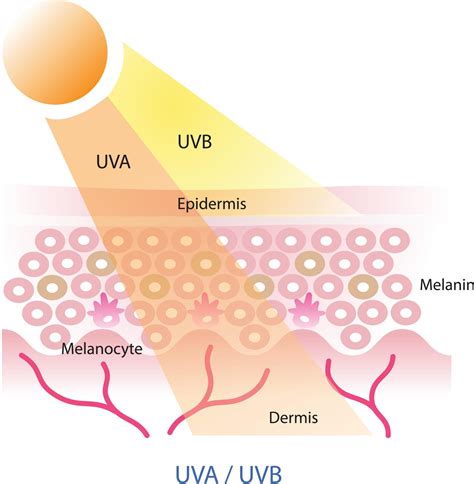
The sun's rays contain ultraviolet (UV) radiation in two primary wavelengths: UVA and UVB. UVB rays are the main culprits behind sunburns and direct skin damage. UVA rays, on the other hand, penetrate deeper into the skin, contributing to premature aging, wrinkles, and also playing a role in tanning. Sunscreens are designed to protect the skin by absorbing, blocking, or reflecting these harmful UV rays.
Mineral sunscreens, for instance, utilize micronized minerals like zinc oxide or titanium dioxide to create a physical barrier on the skin's surface, effectively blocking UV radiation.
What is SPF and How Does it Relate to Tanning?
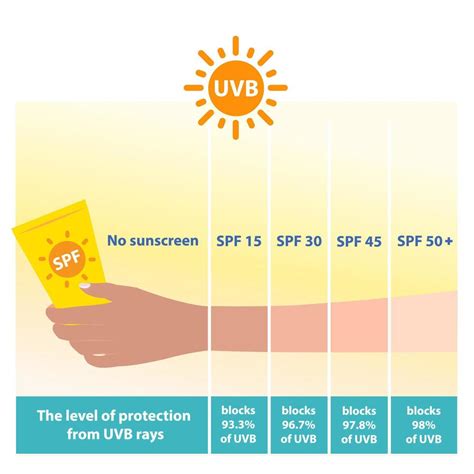
SPF, or Sun Protection Factor, is a measure that primarily rates how well a sunscreen can block UVB rays, the ones responsible for sunburns. The higher the SPF number, the greater the protection against UVB radiation. For example:
- An SPF of 15 blocks approximately 93% of UVB rays.
- An SPF of 30 blocks about 97% of UVB rays.
- An SPF of 50 blocks around 98% of UVB rays.
- An SPF of 100 blocks approximately 99% of UVB rays.
It is crucial to understand that no sunscreen can block 100% of the sun's rays. Therefore, tanning is still possible even when using sunscreen; it will simply occur at a slower pace, especially with higher SPF products. Sunscreen's primary role is to prevent sun damage and sunburn, not to inhibit tanning altogether.
The Myth of Lower SPF for Tanning
The persistent myth that lower SPF sunscreens are better for tanning is misleading. While it's true that lower SPF sunscreens allow more UV radiation to reach the skin, this comes at the cost of increased risk for sunburn and long-term skin damage. The belief that this increased exposure leads to a deeper tan is flawed because tanning is primarily influenced by UVA rays, and SPF ratings do not directly measure UVA protection.
Tanning effectiveness depends more on factors such as sun exposure time, individual skin tone, and a sunscreen's ability to provide broad-spectrum coverage, which protects against both UVA and UVB rays. Sunscreens labeled "broad spectrum" or "UVA/UVB protection" are formulated to guard against both types of rays.
Understanding Tanning Oils vs. Sunscreen Oils
The market also presents a confusing array of "tanning oils" and "sunscreen oils." Traditional tanning oils, often with minimal or no SPF, work by lowering the skin's refractive index, which can actually attract and intensify the sun's UV rays. Dermatologists liken this to "basting" the skin, which can lead to dangerous burns and increase the risk of skin cancer. Even tanning oils with a low SPF can be deceptive, giving a false sense of security.
In contrast, sunscreen oils are formulated to provide genuine sun protection. These products typically contain a high-factor SPF and are free from ingredients like mineral oil found in tanning oils that can absorb UV rays. The key difference lies in their marketing and formulation: tanning oils aim to enhance tanning, often with harmful consequences, while sunscreen oils prioritize protection.
However, even with sunscreen oils, proper application is critical. It's easy to under-apply oil-based formulas because they spread easily, leading to inadequate protection. Dermatologists emphasize that the amount of sunscreen needed for effective protection is significant - about six teaspoons for the entire body, creating an even sheen on the skin.
Safe Tanning Practices and Alternatives
While tanning can offer some temporary benefits like vitamin D production and a "sun-kissed glow," it accelerates skin aging, increases wrinkling, and significantly raises the risk of skin cancer, including melanoma. There is no safe way to achieve a tan through direct sun exposure or artificial sources like tanning beds and sun lamps, as they emit harmful UVA and UVB radiation.
For those seeking a tanned appearance, safer alternatives are available:
- Self-tanning lotions and bronzers provide color without UV exposure.
- Spray tans offer an instant tanned look.
BEGINNERS GUIDE TO SELF TANNING : Step By Step How To Fake Tan For Beginners Kassin Marie
Recommendations for Sun Protection
Most dermatologists recommend using a broad-spectrum sunscreen with an SPF of 30 or higher. For optimal protection:
- Apply sunscreen 30 minutes before sun exposure to allow it to absorb fully into the skin.
- Reapply sunscreen every 2 hours, or more frequently after swimming or sweating.
- Limit direct sun exposure, especially during peak UV hours (10 AM to 4 PM). Aim for short durations of 10-15 minutes at a time.
- Protect sensitive areas such as the face, lips, and eyes with lip balm, wide-brimmed hats, and sunglasses.
- Regularly check your skin for any suspicious changes in moles or new lesions and consult a dermatologist if any concerns arise.
Making sun protection a consistent habit, rather than just a precaution for vacations, is vital for long-term skin health, anti-aging, and reducing the risk of skin cancer. Prioritizing overall health and lifespan over a short-term tan is the most effective approach to sun safety.