Sunburn self-care begins even before outdoor exposure, emphasizing the importance of sunscreen and protective clothing. However, accidental overexposure can lead to painful sunburns. Understanding how to heal and prevent sun damage is crucial for maintaining skin health.
The Dangers of Sunburn
Sunburn is a common yet serious issue. Statistics indicate that a significant portion of adults and a majority of children and adolescents experience at least one sunburn annually. Beyond immediate discomfort, sunburn poses both short-term and long-term health risks.
Immediate Effects and Damage
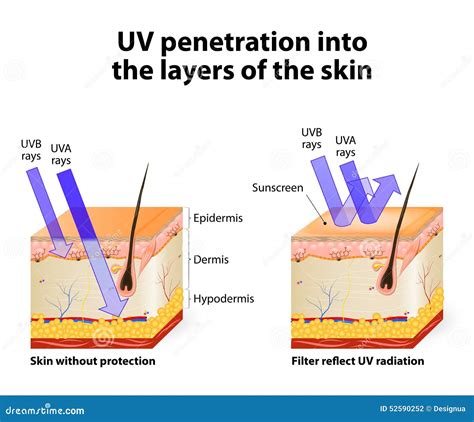
Exposure to ultraviolet (UV) rays from the sun causes DNA damage, leading to cell death and inflammation. This damage can penetrate several layers of the skin. Signs of skin damage, such as redness, warmth, and pain to the touch, may appear within an hour of unprotected sun exposure. However, the full extent of a severe sunburn, including blistering which can lead to infection, may not be apparent for several hours. Sunburn can also trigger allergic or immune responses, resulting in itching and hives.
Severe Sun Exposure Symptoms
In severe cases, excessive sun exposure can lead to systemic symptoms like fever, nausea, vomiting, pain, headache, dehydration, and dizziness. These are indicative of sun poisoning and necessitate medical attention.
Long-Term Risks
The consequences of sunburn extend far beyond the initial healing period. Each sunburn increases the risk of developing skin cancer. Experts estimate that having experienced just five sunburns in a lifetime can double the risk of melanoma, the deadliest form of skin cancer.
Sunburn Self-Care: Home Remedies
If you do get a sunburn, several home remedies can help soothe the skin and promote healing.
Cooling the Skin
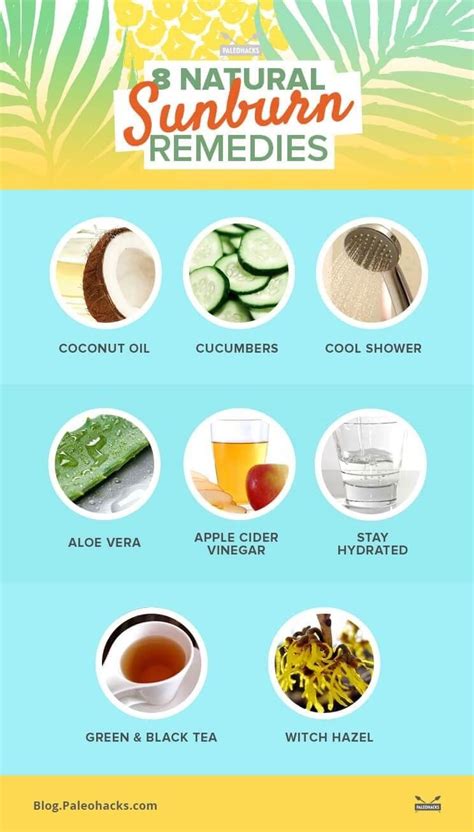
- Cool Baths: Add colloidal oatmeal or baking soda to a cool bath. After soaking, gently pat your skin dry without rubbing.
- Cold Packs: Apply fabric-covered ice packs or a wet washcloth to the affected areas to cool the skin.
- Calamine Lotion: This can provide soothing relief from stinging. Chilling the lotion in the refrigerator before application can enhance its cooling effect.
Restoring Moisture
- Aloe Vera: Apply aloe vera lotion liberally to help fight inflammation, soften the skin, and prevent peeling. Applying it immediately after a bath can help lock in moisture. Reapply as needed for comfort.
- Hydration: Drink plenty of water and hydrating beverages like electrolyte solutions to replace lost fluids. Consuming water-rich fruits and vegetables, such as cucumbers, also contributes to hydration.
Pain Management
- Over-the-Counter Pain Relievers: Acetaminophen or ibuprofen can help alleviate pain within the first 24 hours. Always follow recommended dosage instructions.
- Breathable Clothing: Wear loose-fitting clothing made from natural fibers like cotton or linen to allow for airflow and prevent irritation.
What Not to Do for a Sunburn
Certain actions can worsen sunburn and hinder healing. It's important to avoid the following:
- Taking baths with bubbles
- Applying ice directly to the skin
- Using oil- or petroleum-based products
- Applying perfumes or colognes containing alcohol
- Consuming beverages with alcohol, caffeine, or high sugar content
- Popping blisters, as this increases the risk of scarring
Protecting Yourself Against Sunburn
Prevention is key to avoiding the pain and long-term damage associated with sunburn. Understanding sun exposure and implementing protective measures can significantly reduce risk.
Understanding Sun Exposure
Sun protection should be a daily habit, not just an occasional practice. Skin damage can occur within 20 minutes of sun exposure. UV rays can penetrate clouds and window glass, making protection necessary even on seemingly safe days.
Types of UV Radiation
- UVB Rays: These are the primary cause of sunburn, damaging the skin's protective layer and killing top skin cells.
- UVA Rays: While less likely to cause immediate sunburn, UVA rays penetrate deeper into the dermis, damaging collagen-producing fibroblasts. This damage contributes to premature aging, wrinkles, and increased skin cancer risk.
Protective Measures
- Cover Up: Wear breathable, UV-blocking clothing, including long sleeves and pants, whenever possible.
- Apply Sunscreen: Use broad-spectrum sunscreen with an SPF of at least 30 on all exposed skin, especially the face and neck. Reapply every two hours, or more frequently if swimming or sweating.
- Seek Shade: Utilize sun umbrellas, sit under trees, and choose shaded areas for outdoor activities.
- Wear a Hat: A wide-brimmed hat protects the scalp, ears, face, and neck.
- Wear Sunglasses: Choose sunglasses that offer UVA and UVB protection to safeguard your eyes.
ULTRAVIOLET RAYS | How Harmful Are UV Rays? | Ultraviolet Radiation | Dr Binocs Show | Peekaboo Kidz
Understanding Risk Factors
Several factors influence an individual's susceptibility to sunburn and sun damage:
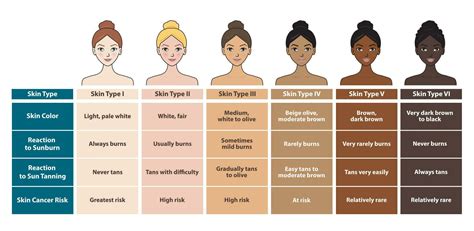
- Skin Type: Lighter skin tones, including those of babies, children, and older adults, are more prone to sunburn.
- Medications: Certain medications, such as antibiotics (doxycycline), oral contraceptives, antifungals, and some pain relievers (ibuprofen, naproxen), can increase photosensitivity.
- Time and Season: The sun's rays are strongest in summer, but sunburn can occur year-round, even on cloudy days.
- Location: Proximity to the equator and higher altitudes increase UV intensity.
- Genetics: Individual genetic makeup influences susceptibility to sun damage and skin cancer risk.
Special Considerations for Different Skin Tones
While darker skin tones have more melanin, providing some natural protection, they are not immune to sun damage. Individuals with darker skin can still experience sunburn, premature aging, and an increased risk of skin cancer, though it may present differently and often be diagnosed at later stages.
Professional Treatments for Sun Damage
For more significant sun damage or persistent concerns, professional treatments can help improve the skin's appearance and health.
Chemical Peels
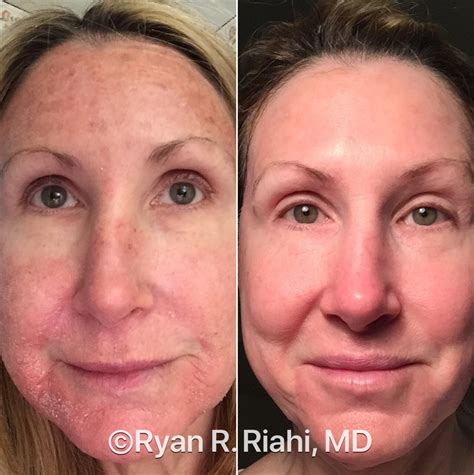
Chemical peels, utilizing acids like salicylic acid, Jessner, or trichloroacetic acid (TCA), can address brown spots, fine lines, wrinkles, clogged pores, and uneven skin tone. Peels range from superficial to deep, with deeper options reserved for more chronic sun damage.
Lasers
Laser treatments, such as those targeting pigment, can effectively reduce sun spots by bringing them to the surface to flake off. Fractionated lasers, like the Fraxis Pro, create controlled micro-injuries to stimulate collagen production and skin healing with reduced downtime compared to older laser technologies.
Microneedling
Microneedling stimulates collagen production by creating tiny micro-holes in the skin. When combined with radiofrequency (RF), it can target different layers of the skin, improving texture, tightening pores, and reducing fine lines. Microneedling with RF is often a good option for skin of color due to insulated needle tips.
Platelet-Rich Plasma (PRP)
PRP, derived from the patient's own blood, is rich in growth factors that promote healing. It can be used in conjunction with treatments like microneedling to enhance recovery and extend results. Customized serums incorporating PRP can also aid in post-treatment healing and skin rejuvenation.
Preventing Sunburn on Sensitive Areas
Certain areas of the face and body are particularly susceptible to sunburn due to thinner skin or fewer oil glands.
- Neck and Ears: These areas are often missed during sunscreen application. The thin dermis in the neck can make oil glands more evident, and both the neck and ears have fibroblasts that are easily damaged, leading to reduced collagen production and visible blood vessels.
- Scalp and Lips: These areas require specific protection, such as hats and lip balm with SPF.