In the realm of dermatology, the quest for youthful, radiant skin is a priority for many seeking advanced skin care solutions. Decades of scientific research have paved the way for products and routines that target fine lines, wrinkles, and uneven texture. This article explores effective anti-aging products, their key ingredients, serums for glowing skin, innovative treatment modalities, and practical routines for mature skin, highlighting how science-based approaches can significantly enhance skin health and appearance.
The Foundation of Effective Anti-Aging Skincare
Anti-aging skin care products work best when they include clinically proven ingredients that boost collagen production, enhance elasticity, and smooth fine lines and wrinkles. Key components include retinol, peptides, and hyaluronic acid, which improve skin texture and firmness. Advanced formulations also combine antioxidants and anti-inflammatory agents to combat oxidative stress. Retinol accelerates cell turnover and smooths fine lines, while peptides act as signals for collagen synthesis. Clinical trials show visible improvements within 8 to 12 weeks. Often, products pair chemical peels or mild exfoliants to renew skin cells along with soothing ingredients like aloe or chamomile, reducing irritation. Many modern products use a dual-action approach, combining serums, moisturizers, and SPF to deliver preventive care and restore skin elasticity.
Key Ingredients Driving Collagen Production and Firmness
Ingredients that promote collagen production are the foundation of effective anti-aging skin care. Retinol, a vitamin A derivative, stimulates collagen synthesis and cellular regeneration. Peptides, short chains of amino acids, signal fibroblasts to produce collagen and elastin, with studies showing up to a 20% increase in structural integrity after regular use. Additional actives such as vitamin C boost collagen further and protect skin from free radical damage, while hyaluronic acid maintains a hydrated matrix that supports collagen function. Dermatologists often combine these actives with niacinamide to improve barrier function and enhance ingredient penetration.
Synergistic Action of Retinol and Peptides
Retinol and peptides work together to refresh skin and diminish wrinkles. Retinol speeds up the natural exfoliation process, replacing damaged cells with fresh ones, reducing the depth of wrinkles and fine lines while improving overall skin luminosity through increased collagen production in the dermis. Peptides, acting as biochemical messengers, prompt the skin to produce collagen and elastin, thereby restoring firmness and smoothness. Their complementary actions lead to noticeable improvements in wrinkle severity over a period of 12 weeks.
The Power of Hyaluronic Acid for Hydration and Plumpness
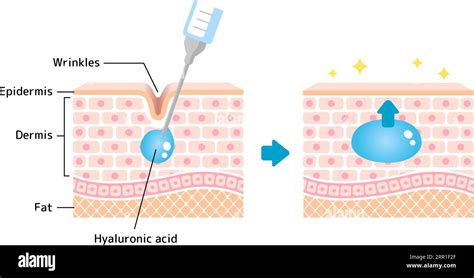
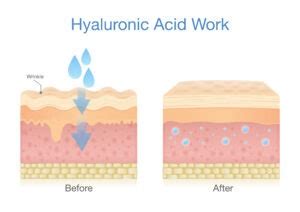
Hyaluronic acid is renowned for its unique ability to bind water-up to 1,000 times its weight-providing intense hydration that plumps the skin and minimizes the appearance of fine lines. This hydration strengthens the skin’s barrier, reduces moisture loss, and maintains suppleness throughout the day. Clinical evidence shows that regular application can improve skin hydration by up to 30% within weeks, leading to smoother, more youthful skin.
Serums for Glowing, Revitalized Skin
Serums designed for glowing skin are formulated with targeted, high-potency ingredients that address diverse skin concerns. They typically combine antioxidants, vitamins, and hydrating agents to brighten and repair the skin. Popular formulations include vitamin C, hyaluronic acid, and niacinamide.
Vitamin C: Brightening and Antioxidant Protection
Vitamin C serums protect skin from UV damage and neutralize free radicals, brightening the complexion by up to 20% over an eight- to twelve-week period. Lightweight and fast-absorbing, these serums easily layer under moisturizers and sunscreens without heaviness. Vitamin C serum not only brightens the complexion but also defends against oxidative stress. Its powerful antioxidant properties neutralize free radicals responsible for premature aging. By reducing dark spots and hyperpigmentation, vitamin C improves overall skin luminosity. Additionally, it supports collagen synthesis, enhancing skin firmness and smoothing fine lines when used consistently.
Hyaluronic Acid Serums for Deep Hydration
Hyaluronic acid serums deliver immediate moisture to the epidermis, ensuring lasting hydration without leaving a greasy feel. Their lightweight formulation allows rapid absorption, making them ideal for all skin types, including oily or acne-prone skin. By bonding with water molecules, they stabilize the skin's moisture barrier and reduce transepidermal water loss. Clinical results demonstrate visibly plumper, smoother skin with a reduction in fine lines.
Tailoring Serums to Your Skin Type and Concerns
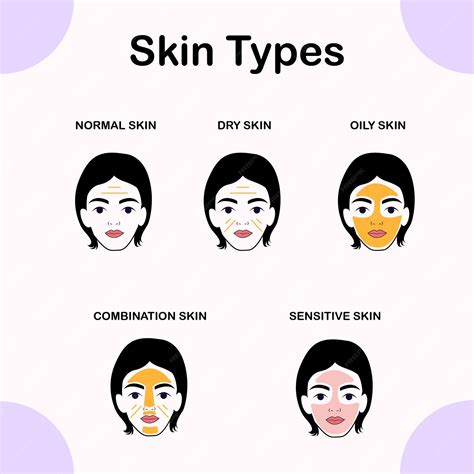
Choosing the right serum depends on understanding your skin type and primary concerns. For oily or acne-prone skin, water-based serums with salicylic acid or niacinamide help control sebum production and inflammation. Dry skin benefits from serums rich in hyaluronic acid and glycerin, which improve moisture retention. To address hyperpigmentation and dullness, formulations containing vitamin C or licorice extract are effective. Sensitive skin should opt for serums free of fragrances and alcohol, often enriched with soothing ingredients like aloe vera.
Innovative Treatment Modalities in Dermatology
Innovative skin treatments are reshaping anti-aging care by blending technology with dermatologic expertise. Procedures like chemical peels, microdermabrasion, and laser therapies remove dead skin cells, stimulate collagen production, and improve pigmentation.
Chemical Peels and Microdermabrasion for Skin Renewal
Chemical peels use acids like glycolic or salicylic to exfoliate the skin and promote new collagen production. Microdermabrasion employs mechanical exfoliation to brighten the complexion and smooth the surface. Both chemical peels and microdermabrasion remove superficial layers of aged skin to reveal a fresher, more even complexion. Chemical peels use exfoliating solutions to promote new cell growth, reducing pigmentation irregularities and smoothing the skin. Microdermabrasion mechanically exfoliates the surface, which not only eliminates dead cells but also increases blood flow and collagen production.
Advanced Delivery Systems and Bioengineered Actives
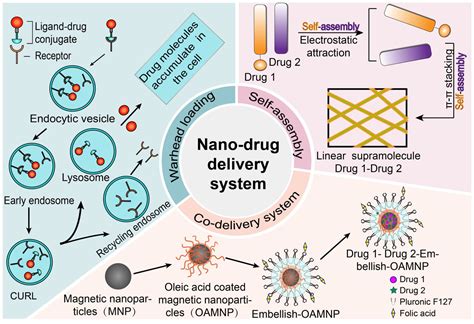
Recent scientific advances in skin care focus on the development of encapsulated active ingredients and nanotechnology-based delivery systems. These innovations enhance the stability and penetration of compounds like retinol and vitamin C, ensuring targeted release exactly where needed. Bioengineered peptides and growth factors now mimic natural skin signals to repair and rejuvenate tissue more effectively.
Personalized Consultations and Tailored Routines
Consultations with board-certified dermatologists are key to maximizing treatment outcomes. Through detailed evaluations using visual inspection and advanced diagnostic tools, experts identify skin concerns ranging from early photoaging to chronic sensitivity. This personalized approach allows for tailored product recommendations and in-office treatments that address individual needs.
The Importance of Dermatologist-Guided Skincare
Dermatologists contribute invaluable expertise to product development by identifying skin concerns through clinical practice and research. Their involvement ensures that formulations address a broad range of conditions-from acne and rosacea to aging and sensitivity-while maintaining safety across diverse skin types. Transparent ingredient lists and supporting clinical data allow consumers to make informed decisions about their skin care. This openness helps identify potential allergens, enables personalized routine adjustments, and builds long-term trust between patients and providers.
Understanding Your Unique Skin Type
No two skin types are exactly alike, making personalized skin care essential for optimal results. A thorough consultation with a board-certified dermatologist helps determine individual skin concerns based on factors such as age, genetics, lifestyle, and environmental exposures. Key factors in determining skin type include oiliness, dryness, sensitivity, pigmentation variations, and the presence of fine lines. A combination of self-reporting and professional evaluation using specialized tools guides dermatologists in identifying these characteristics. During a consultation, dermatologists perform detailed assessments-often employing advanced imaging techniques-to pinpoint specific skin issues. They consider lifestyle factors such as sun exposure, diet, and stress, which affect skin health.
Adapting Routines to Changing Needs
As skin changes due to factors like aging, climate, and hormonal shifts, routine adjustments become necessary. Regular follow-ups and self-assessments help determine whether to switch to richer moisturizers in drier months or lighter products in the summer. Gradually integrating new treatments or advanced formulations ensures that the regimen remains effective without causing irritation.
Should you change your skincare routine for the summer?
Practical Routines for Mature Skin
Mature skin requires a comprehensive routine that targets reduced elasticity, thinning, and a compromised moisture barrier. An effective routine begins with a gentle, pH-balanced cleanser to remove impurities without stripping essential oils. Next, antioxidant serums (often with vitamin C) protect against free radical damage, while retinol-based products promote cell turnover and collagen synthesis. Complement these with peptides that support repair and hydration provided by hyaluronic acid serums. Rich moisturizers containing ceramides and fatty acids repair the skin barrier and lock in moisture, and a broad-spectrum sunscreen must be applied every morning to protect against UV damage.
A Step-by-Step Mature Skincare Regimen
A mature skin care routine follows these simple steps:
- Cleanse: Use a gentle cleanser that removes makeup and impurities without disrupting the skin barrier.
- Tone: Apply a toner to restore pH balance and prepare skin for active treatments.
- Treat: Use antioxidant serums, followed by retinol or peptides to stimulate collagen production.
- Moisturize: Apply a rich cream or lotion to hydrate and repair the barrier.
- Protect: Apply a broad-spectrum sunscreen daily.
Consistency and Ingredient Synergy
Consistency is crucial in anti-aging care. Retinol products are typically used at night, starting two to three times per week and increasing as tolerated. Antioxidant serums and moisturizers can be applied both morning and evening, while chemical peels or microdermabrasion sessions should be spaced several weeks apart. Some treatments, like laser therapies or microneedling, are administered as a series rather than daily.
Supporting the Skin Barrier for Resilience
Products that support the skin barrier are essential for mature skin. Ingredients such as ceramides, cholesterol, and fatty acids rebuild the barrier, reduce water loss, and protect against environmental stressors. Combined with peptides and niacinamide, these formulations enhance collagen production and repair overall skin structure.
Hyaluronic Acid's Role in Maintaining Youthful Skin
Hyaluronic acid is prized for its ability to attract and hold water, providing deep hydration that visibly plumps the skin and smooths fine lines. It plays a critical role in maintaining the skin’s extracellular matrix, supporting collagen and elastin for a firmer appearance. By binding water molecules, hyaluronic acid increases the moisture content in the skin’s extracellular matrix, yielding a plumper and smoother texture. This immediate hydration helps minimize fine lines and creates a more even, luminous complexion. While hyaluronic acid does not directly stimulate collagen production, its powerful hydration reduces the appearance of fine lines by plumping the skin and improving elasticity. For optimal benefits, apply a hyaluronic acid serum on damp skin to boost its water-binding effect, then follow with a rich moisturizer that locks in hydration. For additional support, hyaluronic acid masks can be used once or twice a week.
Evidence-Based Skincare: Ensuring Safety and Efficacy
Products based on scientific research ensure safety and efficacy through rigorous testing and evidence-based formulation. These products offer transparent ingredient lists often backed by clinical data, which helps build consumer trust. Clinical studies assess active ingredients through objective measurements such as wrinkle depth reduction, hydration levels, and collagen synthesis. These studies, often documented in peer-reviewed journals, provide the evidence needed to support product claims.
The Dermatologist's Role in Product Development and Recommendation
Dermatologists contribute invaluable expertise to product development by identifying skin concerns through clinical practice and research. Their involvement ensures that formulations address a broad range of conditions-from acne and rosacea to aging and sensitivity-while maintaining safety across diverse skin types. Transparent ingredient lists and supporting clinical data allow consumers to make informed decisions about their skin care. This openness helps identify potential allergens, enables personalized routine adjustments, and builds long-term trust between patients and providers.

Key Takeaways from Dermatological Research
A Northwestern University study involving 80 dermatologists identified 23 key ingredients proven effective for common skin concerns. This research aimed to cut through the overwhelming number of skincare options by focusing on evidence-based, dermatologist-approved ingredients.
Top Recommended Ingredients by Dermatologists
The study highlighted several highly recommended ingredients:
- Mineral sunscreen (zinc oxide or titanium dioxide): Protects from UV rays, helps prevent wrinkles, and reduces redness.
- Retinoids: Improve wrinkles, reduce acne, lighten dark spots, minimize large pores, and control oily skin. (Note: Not safe during pregnancy or breastfeeding; consult a dermatologist).
In general, the most recommended ingredients were those with strong evidence supporting their safety and effectiveness. "With some ingredients, we just need more data before we can make strong statements about their usefulness," says Dr. According to Dr. Alam, many consumers don’t realize that skin care products don’t face the same testing as medications.
The Importance of Simplicity in Skincare Routines
Another important takeaway from the dermatology study isn’t just what to use, but also how to approach your skin care routine. Dr. Alam emphasizes the importance of simplicity. “Using too many products can irritate your skin and make things worse,” explains Dr. Alam. Routines can become complex, with some teens using more than 12 products. The risk of irritation is high when using multiple active ingredients at the same time, such as hydroxy acids, or applying the same active ingredient unknowingly over and over again across different products.
In a world where 10-step routines are celebrated, this expert advice is a refreshing reminder that simplicity and targeted action can often yield the best results. “Just because there are many different topicals available doesn't mean you have to use them all,” says Dr. Alam. “In general, healthy skin is largely able to take care of itself.”
Simplified Skincare: Cleanse, Moisturize, Protect
For effective skincare, dermatologists recommend sticking to three simple steps: Cleanse, moisturize, and protect with sunscreen. Look for evidence-based, dermatologist-approved ingredients on packaging, such as the 23 identified in the study.