Aloe vera has been studied when used in conjunction with traditional anti-acne medication, and the results were promising. If your acne is mild to moderate and you’ve been looking for a gentle way to soothe your skin, try these home remedies.
Understanding Pores and Clogging
Pores are like the tiny gateways to your skin's deeper layers. Every pore is an opening for a hair follicle, and with that follicle comes sebaceous glands. These are your skin's own little oil factories, producing sebum, which is an oil that keeps your skin moisturized and elastic.
Pore size isn’t a one-size-fits-all scenario. Factors like genetics, skin type, age, and sun exposure play a role. For instance, oily skin tends to have larger-looking pores, while dry skin tends to have smaller-looking pores.
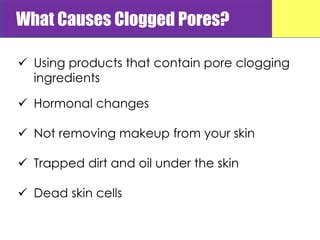
Why do these bad boys get clogged? Think of pores like tiny strainers. Dead skin cells, excess oil, and everyday grime can get trapped. When this gunk mixes with your skin's natural sebum, it forms a plug. This plug can lead to blackheads, whiteheads, or even those dreaded acne breakouts.
Your lifestyle choices can impact your pores. Frequent sunbathing can decrease your skin's collagen, making pores look bigger. If you love your makeup but slack on the removal part, those cosmetics can settle in and block your pores. Neglecting exfoliation is also a significant factor.
Skincare superheroes like cleansers, toners, and exfoliants ensure that the strainer (your pores!) remains gunk-free. Dermatologists often rave about the benefits of regular cleansing and exfoliation because consistency in your skincare routine ensures your pores remain unclogged.
In skincare, 'non-comedogenic' is a term used for products that won’t block your pores. The term "comedo" is the primary sign of acne, which can be a blackhead or whitehead. So, a non-comedogenic substance is one that does not cause comedones.
The Science Behind Aloe Vera and Skin
Dating back to ancient civilizations like Egypt and Greece, aloe vera was a well-kept beauty secret. Cleopatra reportedly applied aloe vera as part of her skincare regime. At its core, aloe is loaded with a cocktail of vitamins, enzymes, minerals, and amino acids. A standout compound is Acemannan. Aloe vera also contains salicylic acid, known for its anti-inflammatory properties, and its auxins and gibberellins contribute to its healing capabilities.
Fast-forward to today, and this green dynamo has been adopted globally, not just in skincare but also in hair care, health drinks, and dietary supplements. Its true charm, however, lies in its versatility and gentleness in skincare. Whether you have an annoying pimple or dry skin, aloe vera plays well with all skin types, which is quite rare in skincare products.
The skincare realm is vast, and not all aloe products are created equal. Some might be diluted or mixed with additives that compromise the real benefits. The dewy glow comes from the purest form of aloe vera.
Dive into aloe vera’s molecular structure, and it’s easy to see why it's a skin superstar. The gel consists mainly of water - about 99.5%. The remaining 0.5% is a powerful cocktail of essential nutrients. This high water content hydrates your skin without adding any oiliness.
There might be times you've heard whispers of aloe causing breakouts, but this can often be attributed to other ingredients mixed with the aloe in commercial products. Sometimes, additives, fragrances, or other components in an "aloe product" might be the real culprits behind skin issues.
Many moisturizers can leave your skin feeling greasy because they are often packed with heavy oils or waxes. Aloe vera, on the other hand, keeps it light and breezy. It moisturizes in a way that feels refreshing, like splashing water onto your face.
Research is clear: aloe vera has properties that benefit the skin in multiple ways, from anti-inflammatory actions to wound healing. When it comes to clogged pores, studies affirm that pure aloe vera gel does not contribute to acne or clogged pores.

How to Use Aloe Vera for Acne and Clear Pores
Using Pure Aloe Vera Topically
You may get the results that you’re looking for by using aloe vera all by itself. Its anti-inflammatory, antibacterial, and antioxidant properties make it effective. It’s been used for centuries to cleanse wounds, kill pain, and heal burns. Very few people are allergic to it, and applying it topically poses an extremely low risk.
By purchasing pure aloe vera and applying it generously to your face in place of a cleanser, you’ll be boosting the blood flow in your skin and killing off harmful bacteria. You can also spot-treat your acne breakout areas, leave the aloe on overnight, and wash it off in the morning to reduce redness and irritation.
Aloe Vera, Honey, and Cinnamon Face Mask
Aloe vera has antibacterial properties that can help control and reduce acne-causing bacteria. Cinnamon and honey have also been studied and found to have this same effect. By combining all three for an at-home spa treatment, you’ll be upping your chances at smooth skin that’s acne-free.
How to: Start with 2 tablespoons of pure honey and mix in 1 tablespoon of pure aloe vera. The mixture should be easy to spread but not runny. Mix in 1/4 tablespoon of ground cinnamon before applying the mask to your face, and relax while the mask does its magic for 5 to 10 minutes. Rinse thoroughly after application.
Aloe Vera and Lemon Juice Face Mask
A face mask with aloe vera and lemon juice will give your face a refreshed and invigorated look while it cleans your pores and kills some of the bacteria that might be causing your acne. Some clinical trials have shown fruit acids, like those contained in lemon juice, are effective cleansers for treating acne.
How to: For this mask, use pure aloe vera as the base, adding about 1/4 teaspoon of lemon juice to 2 tablespoons of aloe vera. If you need more to apply this mask evenly across your skin, make sure you maintain a lemon juice to aloe ratio of about 8 to 1 so that you don’t irritate or overwhelm your skin with the acidity of the citrus. Leave the mixture on your skin for 5 to 10 minutes before rinsing off completely.
Aloe Vera Antibacterial Spray
Since aloe vera can stimulate healthy skin cell growth, it might be worth it to purchase or make your own cleansing aloe spray. This mist will hydrate your face without causing shine or overproduction of oils, which can clog your pores.
How to: Using a 2-oz. spray bottle, combine 1 1/4 oz. of purified water, 1/2 oz. of aloe vera, and a drop or two of your favorite nontoxic essential oil. Be careful to avoid your eyes when you spritz this cooling, acne-fighting mist on your face, and shake well before every use.
Aloe Vera, Sugar, and Coconut Oil Scrub
If you’re interested in natural remedies for acne, you might want to combine aloe vera with coconut oil and sugar for a DIY exfoliator. Exfoliating your skin gets rid of dead skin cells that can block pores. Raw or white cane sugar can gently brush these old cells away, clearing a path for aloe vera to penetrate your skin and stimulate healthy skin growth. Coconut oil has antibacterial properties of its own, and it also works as a natural emollient.
How to: Use coconut oil as your base, adding about 1/2 cup of coconut oil to 1/2 cup of raw or white sugar and mixing well. Pour in 1/4 cup of pure aloe vera gel for an exfoliating blend you can keep in the fridge. To use, gently scrub the mixture over your face and avoid your eye area. Rinse well with water after using.
Aloe Vera and Tea Tree Oil Cleanser
Since tea tree oil is a proven antibacterial and acne-fighting ingredient, mixing it with aloe vera has the potential to produce a visible benefit. This isn’t a mixture you should leave on your face, as tea tree oil is extremely potent and acidic.
How to: Use aloe vera as your base, add purified water and 2 to 3 drops of tea tree oil before carefully applying the mixture to your face. Rinse off after about a minute and pat your face dry.
Aloe Vera Creams
Many acne creams and over-the-counter acne treatment products include aloe vera. If you aren’t using products with aloe vera in them, you might consider seeking some out to add to your routine. Aloe vera has anti-inflammatory capabilities that make it a popular ingredient in commercial acne treatments. Check out the ingredient listings in the drugstore acne treatment section to see how you might add more aloe vera to your skin care regimen.
Important Considerations and Patch Testing
Some people advocate using aloe teas and aloe juice to treat acne, but so far, there’s not much evidence that it works. There’s also some evidence that ingesting high levels of aloe vera could hurt your body and put you more at risk for certain types of cancer. Avoid drinking aloe in significant quantities until more is known about the risks it might pose. Aloe vera might also have interactions with other drugs.
Before you use any new substance on your face, do a patch test on your wrist, behind your ear, or on your upper arm to test your skin. If you have any sort of reaction or redness after using aloe on your skin, don’t try to use aloe to treat your acne.
There are plenty of ways to try aloe vera as an at-home treatment for your acne. If your acne is mild or moderate, the research is on your side. Aloe vera has been found to be an effective bacteria killer and acne treatment.
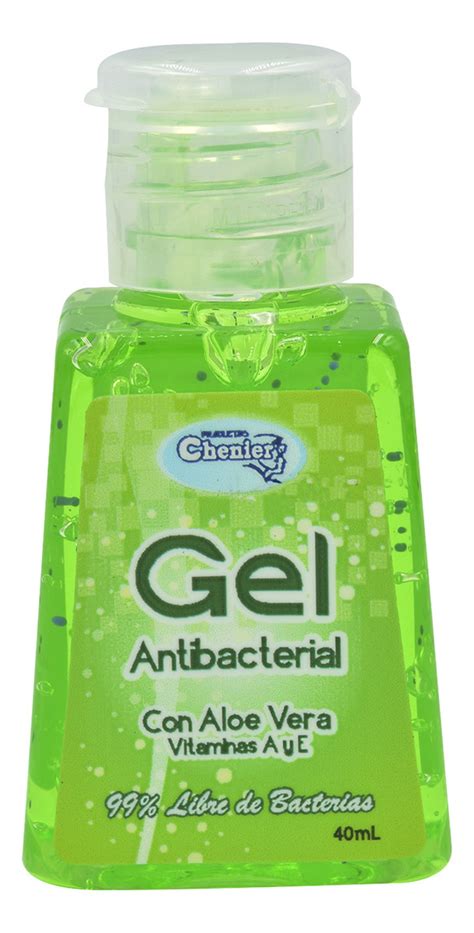
When looking for aloe vera products, it's crucial to choose wisely. Not all aloe products are the real deal. Some might have additives or fragrances that might not vibe with your skin. Look for products that boast a high percentage of aloe vera, minimal artificial ingredients, and no sneaky irritants. The closer you get to the plant's natural form, the better.
How to test skin care products at home
Aloe Vera and Lifestyle Integration
Whether you're an urban jet-setter, a zen master, or an eco-warrior, aloe vera can fit into your lifestyle. For the busy individual, it’s like an espresso shot for your face - swipe on some gel post-shower, and it'll dry in a flash, leaving your skin refreshed. For those who embrace calm, its cooling and soothing nature transforms your routine into a ritual. As an eco-conscious individual, its sustainability and biodegradability align with your green ethos.
For fitness fanatics, aloe steps in as the ultimate cooldown for your skin after an intense session. Hydrated skin is less prone to produce excessive oil, meaning fewer chances of clogs.
Key Takeaways and Pro Tips
Let’s put it straight: aloe vera is like that refreshing sip of water after a long run, but for your skin. Its water-packed structure provides a direct boost of hydration. When your skin is quenched and happy, it appears plumper, minimizing the look of those pores. Plus, hydrated skin is less prone to produce excessive oil, which means fewer chances of clogs. All hail, hydration!
You know those fun mixology videos you binge-watch? It's time to become the mixologist of your skincare. Pairing aloe vera with other natural ingredients can maximize its potential. For example, mixing a tad bit of aloe with honey or turmeric can amplify its anti-inflammatory properties. Another pro tip? If your face is feeling a tad dry, combine aloe with a hydrating serum. It's like a double-shot of moisture for your face!
Always, always do a patch test, especially if you’re diving into a new aloe-infused product. Your inner arm is a great place to start. Swipe a little product on, and give it a day or two.