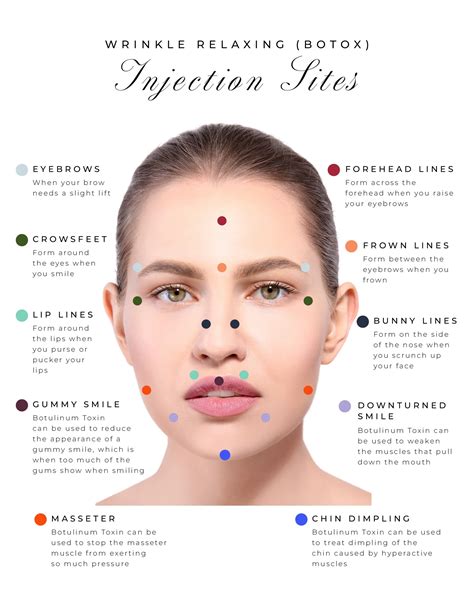
Introduction to Platysmal Bands
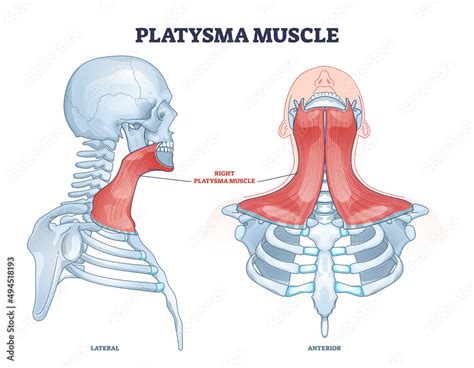
Platysmal bands are vertical lines that can appear on the neck, often becoming more noticeable as we age. These bands are caused by the contraction of the platysma muscle, a thin layer extending from the collarbone to the jawline. As this muscle contracts, vertical bands may become visible on the neck, contributing to changes in its contour and creating an appearance of sagging or tension. The neck is often one of the first areas of the body to show signs of aging, and platysmal bands are among the first signs of neck aging, dramatically altering the contour between the chin and collarbone.
The platysma muscle is a depressor muscle that pulls down on the lower face and neck soft tissue layers. It covers most of the lateral and anterior neck, connecting with the lower facial muscles. Similar to changes we see in our face as a result of repetitive muscle movement, over time, repetitive movement of the platysma muscle can cause visible signs of change. In addition to moderate to severe bands on the neck and jawline definition, this repetitive movement can also impact the lower face, causing a downward pull (think downward pull of the corners of the mouth or marionette line) and middle and lower face descent (think downward pull of jowls or loose jowls).
Platysmal bands can appear earlier in patients with lower facial volume, lean body types, or poor posture. While topical products can support skin quality, they have no direct effect on muscular contractions. Fortunately, Botox offers a non-surgical solution to rejuvenate the neck and restore a youthful appearance.
What is Botox and How Does it Work for Platysmal Bands?
Botox (onabotulinumtoxinA) is a neuromodulator, a purified neurotoxin derived from the bacterium Clostridium botulinum. It is a minimally invasive cosmetic treatment that works by temporarily relaxing muscles. When injected into specific muscles, Botox blocks the nerve signals responsible for muscle contractions. This leads to a temporary reduction in muscle activity, resulting in the smoothing of wrinkles and preventing the formation of new lines.
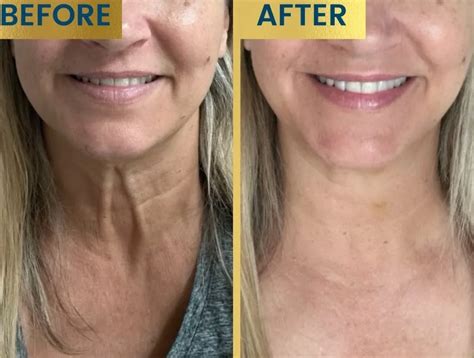
In the context of platysmal bands, Botox is injected into the platysma muscle. By relaxing this muscle, Botox helps to flatten the visible bands, creating a smoother neck appearance. This treatment not only diminishes the appearance of the bands but also alleviates the downward pull on the jawline, which can result in a mild lifting effect.
Botox for platysmal bands is often referred to as a “lunchtime procedure” because it is quick and requires minimal to no recovery time. The procedure involves carefully placed injections along the length of each band using a small, fine needle. The injections are typically spaced out approximately 1 to 1.5 cm apart along each visible band.
FDA Approval and Effectiveness
Exciting advancements in aesthetic medicine continue as the FDA has officially approved BOTOX® Cosmetic (onabotulinumtoxinA) for the treatment of platysmal bands. This approval is backed by clinical research demonstrating BOTOX® Cosmetic’s effectiveness in addressing these neck bands. In Phase III clinical studies, the primary endpoint was met, demonstrating statistical significance for the improvement in the appearance of platysma bands from baseline with BOTOX® Cosmetic versus placebo. This measure was based on both investigator and subject assessment.
Botox is highly effective at reducing the appearance of platysmal bands. By relaxing the platysma muscle fibers, Botox helps flatten the bands, creating a smoother neck appearance. The effects of Botox on platysmal bands typically last between 3-6 months, and for maintenance, treatments are usually recommended every 3 to 4 months to maintain the smooth, lifted appearance.
Botox Units and Dosage for Platysmal Bands
The number of Botox units required to treat platysmal bands depends on the severity of the bands and the type of treatment needed. Typically, patients may need anywhere from 20 to 50 units of Botox for platysmal bands. For those seeking a more comprehensive treatment that targets both the jawline and platysma muscle, known as the full Nefertiti lift, the required dosage may range from 50 to 60+ units.
Botox providers customize dosing based on the severity of the platysmal band. Thicker or more active bands may need slightly more units, and men may require higher doses due to greater muscle mass. For example, when platysmal bands are the main concern, Botox is often the best non-surgical approach, and most patients require 26 to 36 units, depending on the size and strength of the platysma muscle.
It is important to note that a unit of Botox is a standardized unit of measurement, but the conversion of Botox units to volume or mass is not straightforward and depends on the dilution of the Botox solution. Different neurotoxin products-Botox Cosmetic®, Dysport®, Xeomin®, Jeuveau®, and Daxxify®-may use different units of measurement, and individual patients may respond differently to various brands.
The Nefertiti Lift: A Specialized Neck and Jawline Treatment
A Nefertiti lift is a specific neck Botox technique that treats both the neck and jawline. It refers to the use of Botox to improve the appearance of the neck and jawline, named after the Egyptian queen Nefertiti. In addition to injecting the platysmal bands, Botox is placed along the jawline and lower face to reduce downward pull.
This approach focuses on relaxing the vertical bands in the neck and also addresses the muscles that pull down on the jawline, such as the depressor anguli oris (DAO). The Nefertiti lift aims to create a smoother neckline, a more defined jawline contour, and a subtle lifting of the lower face.
What to Expect During and After Treatment
Botox treatments for platysmal bands are quick, usually completed within a single procedure room visit. Before the treatment, a consultation will be held to discuss aesthetic goals and anatomy. Numbing cream or an ice pack may be applied to the area to minimize discomfort. Botox injections are usually well-tolerated, with minimal and temporary discomfort due to the small needle used.
Most patients begin noticing results within 3 to 7 days, with full improvement settling in by two weeks. The results typically last around 3 to 4 months. For maintenance, repeat injections are usually necessary to sustain the desired results.
Common side effects include temporary bruising, swelling, or redness at the injection site. When administered by skilled physicians familiar with neck anatomy, Botox for platysmal bands is considered safe and effective. Serious adverse reactions are uncommon but can include temporary muscle fatigue or, in rare cases, distant spread of toxin effects. It is crucial to follow post-treatment care instructions for optimal results and to minimize potential side effects.
Who is a Good Candidate for Neck Botox?
Botox for platysmal bands is FDA approved for the temporary improvement of the appearance of moderate to severe platysma bands in individuals 18 and over. Patients interested in a non-surgical solution to achieve a smoother neckline and a more defined jawline are generally good candidates.
However, Botox is not designed to tighten loose or crepey skin. If the primary concern is excess skin laxity, crepey texture, or significant sagging, other treatments like laser skin tightening or a surgical neck lift might be more appropriate. A personalized consultation with a qualified medical professional is essential to determine if Botox for platysmal bands is the right option.
What Is the Nefertiti Neck Lift and How Does It Work?
Combining Botox with Other Treatments
Botox can be combined with other treatments to achieve even better results. A popular combination is Botox and dermal fillers. While Botox relaxes the platysma muscle and helps with downward pull, dermal fillers can be used to add structure and support to the jawline and chin, further enhancing the overall rejuvenation of the neck and lower face.
For patients with concerns about skin laxity or texture, Botox can be combined with non-invasive technologies like laser skin tightening or RF microneedling to bridge the gap between injectables and surgery.
Choosing a Provider
When it comes to injecting Botox into the platysmal bands, anatomical precision matters. The platysma muscle overlaps critical structures involved in speech, swallowing, and facial movement. Choosing a skilled provider who is familiar with neck anatomy is crucial for safety and effectiveness. Many practices emphasize their team of nurse practitioners, registered nurses, and aestheticians who receive continuing education to remain abreast of emerging treatments.