Ringworm, also known by its medical term dermatophytosis, is a highly contagious fungal infection that affects a cat's skin, hair, and nails. Despite its common name, ringworm is caused by fungi (primarily species of Microsporum and Trichophyton), not by parasitic worms. This infection is also zoonotic, meaning it can be transmitted to humans, where it can cause characteristic skin lesions.
Transmission of ringworm occurs through direct contact with the fungus. This can happen through contact with an infected animal, contaminated soil, or surfaces such as carpets, bedding, grooming equipment, or toys. Even seemingly intact skin can become infected, but open areas like scrapes or cuts are particularly vulnerable.
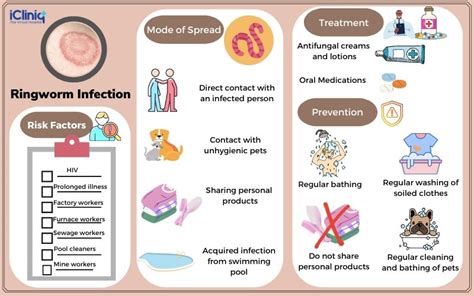
Risk Factors for Ringworm Infection
While ringworm can affect cats of any age, certain groups are at a higher risk of contracting the infection. These include:
- Young cats (kittens): Their immune systems are not yet fully developed, making them more susceptible.
- Geriatric cats: Older cats may have compromised immune systems.
- Immunocompromised cats: Cats with weakened immune systems due to illness (like FIV or FeLV) or medical treatments are more vulnerable.
- Cats with pre-existing conditions: Conditions such as flea allergies or other external parasitic infestations can increase the risk.
- Persian cats: This breed appears to be genetically more susceptible to ringworm.
Environmental factors also play a role. The fungal organisms responsible for ringworm are highly durable and can persist on surfaces for extended periods, potentially for years, especially in humid environments. Contaminated grooming equipment, toys, and bedding are common sources of spread. People can also inadvertently spread the fungus on their clothing or hands.
The incubation period for ringworm in cats can range from four days to four weeks, meaning a cat may be infected but not show symptoms for some time.
Clinical Signs of Ringworm in Cats
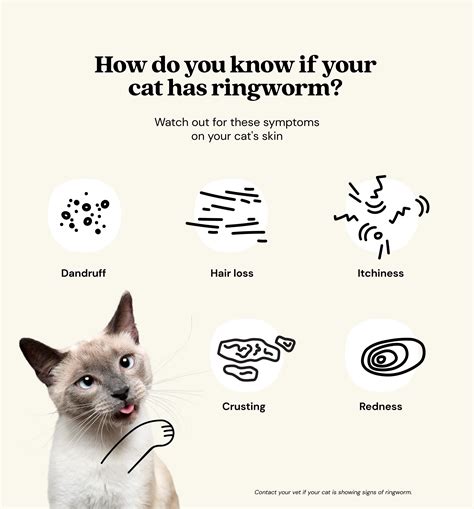
The clinical signs of ringworm in cats can vary significantly, but common indicators include:
- Circular patches of hair loss (alopecia).
- Dull, broken, or brittle hairs.
- Scaly, flaky, or inflamed skin.
- Changes in skin or hair color.
- Crusted patches, especially in more severe cases.
- Small, solid bumps on the skin (miliary dermatitis) that can be itchy.
- In some cases, lesions may appear as raised, nodular bumps with open sores.
The most commonly affected areas are the face, ears, paws, and tail. Affected cats may also exhibit increased grooming or scratching behaviors. In some instances, the infection can affect the nails, leading to distortion as they grow.
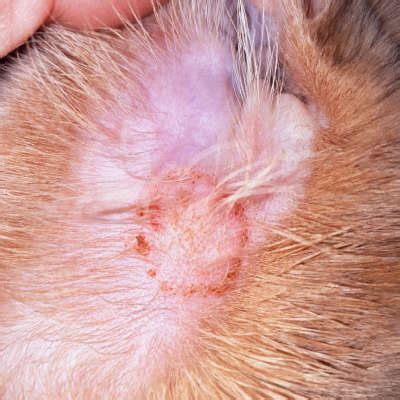
It is important to note that ringworm lesions do not always form a perfect ring shape, and many other skin conditions can mimic the appearance of ringworm. Therefore, diagnosis should not be based on visual inspection alone.
Diagnosing Ringworm in Cats
Accurate diagnosis of ringworm is crucial, as its appearance can be similar to other dermatological conditions like flea allergy dermatitis or feline acne. Veterinarians employ several diagnostic tests:
Wood's Lamp Examination
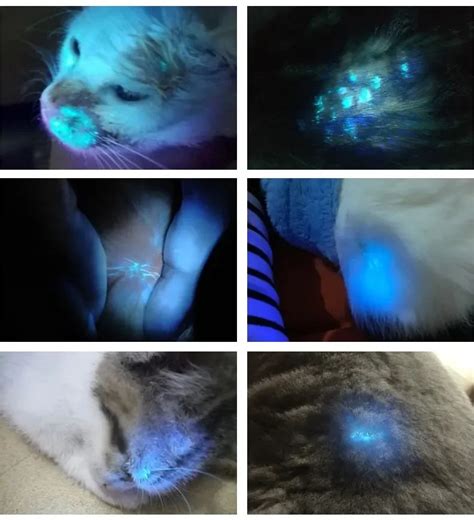
A Wood's lamp is a specialized ultraviolet lamp that emits light at a specific wavelength. Certain strains of dermatophytes, particularly Microsporum canis, will fluoresce a characteristic apple-green color when exposed to this light. This test can be a useful initial screening tool, but it's important to know that not all dermatophytes fluoresce, and some substances on the fur can cause false positives. Therefore, a positive Wood's lamp result requires confirmation with other tests.
Microscopic Examination
Hairs collected from the edge of a lesion, or preferably plucked from the affected area under Wood's lamp illumination, can be examined under a microscope. This allows for the direct visualization of fungal spores and hyphae associated with the hair shafts. While a relatively quick method, it can be prone to false positives or negatives depending on the skill of the observer and the presence of debris.
Fungal Culture
This is considered the gold standard for diagnosing ringworm. Hairs and skin scrapings are collected from suspected lesions and inoculated onto a special culture medium designed to promote fungal growth while inhibiting bacterial growth. The culture is then incubated and monitored for the characteristic growth of dermatophytes. A positive culture can confirm the diagnosis, but results can take up to three weeks. This method is also used to diagnose asymptomatic carriers by culturing hairs from the cat's coat, even if no lesions are visible.
Polymerase Chain Reaction (PCR) Test
PCR testing can detect the DNA of the fungus in a sample. This test can provide results more quickly than a traditional fungal culture, often within five days, but it may be more expensive and can also produce false positives or negatives.
Treatment of Ringworm in Cats
While ringworm infections in healthy adult cats may resolve on their own within approximately three months, treatment is generally recommended to shorten the duration of the infection, alleviate discomfort, and minimize the risk of transmission to other animals and humans. Treatment protocols typically involve a combination of approaches:
Topical Medications
These are applied directly to the cat's skin and are crucial for reducing the shedding of infectious spores into the environment. Common topical treatments include:
- Lime sulfur dips: A highly effective but strong-smelling solution that can temporarily stain light-colored fur yellow.
- Medicated shampoos: Shampoos containing ingredients like miconazole and chlorhexidine are frequently used.
- Antifungal creams: Applied to specific lesions, especially in areas with sparse hair or small, discrete lesions.
For cats with long hair or widespread infections, shaving the affected areas or even the entire body may be recommended to ensure the topical medication can effectively reach the skin.
Oral Antifungal Medications
For more severe or widespread infections, oral antifungal medications are often prescribed in conjunction with topical treatments. Common oral medications include itraconazole, ketoconazole, and terbinafine. It is essential to administer these medications exactly as prescribed by the veterinarian, as they can have potential side effects, such as affecting the liver. Regular monitoring of liver enzymes may be necessary during treatment.
Treatment duration can vary significantly, often lasting several weeks to months, until the cat tests negative for the fungus through repeated cultures. Commitment to the full treatment course is vital for successful eradication.
Environmental Decontamination
Due to the resilience of ringworm spores, thorough environmental decontamination is a critical component of treatment and prevention of recurrence. This involves:
- Isolation: Confine infected cats to a single, easily cleaned room during treatment to limit spore spread.
- Cleaning: Remove hairs from furniture, floors, and other surfaces using vacuuming (with disposable bags) and damp mopping. Steam cleaning carpets is also recommended.
- Disinfection: Use effective disinfectants such as diluted bleach (1:10 solution), accelerated hydrogen peroxide, or other veterinary-approved disinfectants on all surfaces, bedding, carriers, and grooming tools.
- Disposal: Discard any non-cleanable items like heavily contaminated toys, brushes, or bedding.
Environmental decontamination should be ongoing throughout the treatment period and for some time afterward.
How Do I Disinfect My House After Dog Ringworm? - Ask A Pet Vet
Preventing Ringworm
There is currently no vaccine available to protect cats against ringworm. Prevention relies on good husbandry and prompt action:
- Quarantine new animals: Isolate any new cats introduced into a household for at least several weeks to monitor for signs of infection.
- Inspect regularly: Carefully examine new and existing animals for any signs of skin lesions.
- Prompt treatment: Immediately treat any suspected or confirmed cases of ringworm.
- Environmental hygiene: Maintain a clean living environment for your cats, especially in multi-cat households.
- Avoid contact: Limit direct contact with animals suspected of having ringworm until they have tested negative.
Prognosis for Ringworm in Cats
The prognosis for ringworm in cats is generally excellent, especially with appropriate and consistent treatment. Most cats recover fully. However, it is crucial to work closely with a veterinarian to ensure complete resolution of the infection, which often requires follow-up fungal cultures to confirm the absence of the fungus. Cats can remain contagious even after clinical signs have disappeared if the fungus is not fully eradicated.