Coal tar shampoos are a trusted and effective treatment for various stubborn scalp conditions, including dandruff, psoriasis, and seborrheic dermatitis. These medicated shampoos are derived from coal tar, a by-product of coal processing, and have been used for decades to manage these challenging skin issues. While coal tar shampoos offer significant benefits, it's important to be aware of their potential drawbacks and use them appropriately.
What is Coal Tar Shampoo and How Does It Work?
Coal tar shampoo is a medicated treatment designed to alleviate symptoms associated with specific scalp conditions. It works by reducing inflammation, itching, redness, and scaling on the skin. The active ingredient, coal tar, helps to slow down the rapid growth of skin cells, a common characteristic of conditions like psoriasis. Additionally, it may possess mild antiseptic properties that can help limit the growth of bacteria or other germs that can exacerbate these conditions.
The therapeutic class of coal tar shampoos falls under "Coal-tar preparations, Emollients & combined preparations." These shampoos are specifically formulated to soothe irritated skin on the scalp, thereby reducing itchiness, scaling, and inflammation.
Uses of Coal Tar Shampoo
Coal tar shampoos are commonly prescribed or recommended for the management of several scalp conditions:
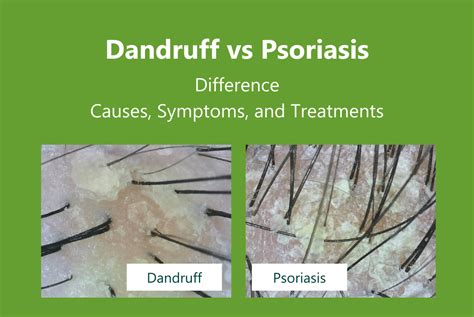
- Dandruff: Persistent and stubborn dandruff can be effectively treated with coal tar shampoos.
- Psoriasis: Scalp psoriasis, characterized by red, inflamed patches covered in scales, often finds relief with coal tar treatment.
- Seborrheic Dermatitis: This condition, which causes flaky, itchy skin, can also be managed using coal tar shampoos.
The areas where coal tar is applied can vary depending on the specific product and the condition being treated. Your healthcare provider may also determine that coal tar is suitable for other conditions.
How to Use Coal Tar Shampoo
Coal tar shampoos are for external use only and should not be ingested. It is crucial to follow the instructions provided on the product label or as directed by your healthcare provider.
General Usage Instructions:
- Wash your hands before and after use.
- Apply the shampoo to wet hair.
- Massage the shampoo into the hair and scalp, working it into a lather.
- Rinse thoroughly.
- Repeat the process if necessary, ensuring the shampoo remains in contact with the scalp for the recommended duration, typically around 3-5 minutes in total over two applications.
Dosage and Administration for Polytar 1%:
Polytar Scalp Shampoo is generally recommended for adults and children aged 12 years and over. It is typically used once or twice per week for an initial period of 4 weeks. For use longer than 4 weeks, consult a doctor and follow their specific directions.
Important Considerations:
- Use the medication for the full course as directed, even if symptoms improve.
- Do not stop using the medication unless advised by your healthcare team.
- Shake well before using.
- Avoid getting the medication in your eyes. If contact occurs, rinse thoroughly with plenty of cool tap water.
How Do You Use Coal Tar Products For Psoriasis?
Potential Side Effects of Coal Tar Shampoo
While coal tar shampoos are effective, they can cause side effects. It is important to be aware of these and to report any severe reactions to your healthcare provider.
Common Side Effects:
- Stinging or burning sensation where applied.
- Sun sensitivity or photosensitivity.
- Red or swollen hair follicles (folliculitis).
- Mild skin irritation, redness, or dryness.
- Change in hair color (especially in light, blonde, or grey hair with regular use).
Serious Side Effects (Report to your care team immediately):
- Allergic reactions: Skin rash, itching, hives, swelling of the face, lips, tongue, or throat.
- Severe skin reactions: Burning, itching, crusting, or peeling of the treated skin.
- Symptoms of a severe allergic reaction: Breathing problems or wheezing, racing heart, fever, general ill feeling, swollen lymph nodes, trouble swallowing, dizziness, fainting, stomach cramps, joint pain.
It is important to note that this list may not encompass all possible side effects. If you experience any persistent or bothersome side effects, consult your healthcare provider.
Warnings and Precautions
Before using coal tar shampoo, it is essential to consider the following warnings and precautions:
Who Should Not Use Coal Tar Shampoo?
- Individuals with known allergies to coal tar or any other ingredients in the specific product.
General Precautions:
- External Use Only: Coal tar is for use on the skin or scalp only. Avoid contact with eyes.
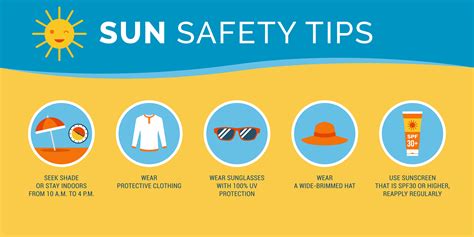
- Photosensitivity: Coal tar can make your skin more sensitive to sunlight, sunlamps, and tanning beds. This sensitivity can last for up to 24 hours after use. If you must be in the sun, wear protective clothing and sunscreen.
- Hair Color Changes: Coal tar shampoos may rarely cause changes in hair color, particularly in individuals with lighter hair. A patch test on a few strands of hair is recommended if you have concerns.
- Staining: Coal tar can stain or discolor clothing and skin.
- Children: Generally not recommended for young children unless prescribed by a doctor.
- Open or Damaged Skin: Avoid using on open, damaged, or blistered skin.
- Prolonged Use: Consult your healthcare provider before using for extended periods.
Interactions with Other Medications
It is crucial to inform your healthcare provider about all medications, herbs, non-prescription drugs, and dietary supplements you are currently using. While significant interactions are not always expected, certain substances may affect how coal tar works or increase sensitivity.
Specifically, discuss with your doctor if you are using:
- Other medications for psoriasis.
- Any treatments that increase sensitivity to sunlight, such as certain antibiotics and tranquilizers.
Always check with your healthcare provider, as they will be aware of potential interactions and may be monitoring you for them.
Storage and Disposal
Storage:
- Store coal tar products according to the package labeling.
- Some products may be flammable.
- Keep the container tightly closed.
- Protect from light and moisture.
- Store in a cool, dry place out of sight and reach of children.
- Do not freeze.
Disposal:
Dispose of expired or no-longer-needed medications properly. Check with your pharmacy or local law enforcement for medication take-back programs. If this is not an option, follow the instructions on the label or package insert for disposal, which may involve discarding in the trash (mixed with materials like cat litter or coffee grounds) or flushing down the toilet, if deemed safe.