In recent times, the term "paraben-free" has gained significant traction within the self-care industry. This surge in popularity is largely attributed to a growing consumer awareness regarding the ingredients present in personal care products. Labels such as "free of parabens" or "sulfate-free" are now commonly encountered on packaging for natural skincare and haircare, even extending to mainstream cosmetics brands.
Parabens in personal care items are a primary concern for many individuals, making them a central marketing claim for brands targeting health-conscious consumers. However, the true meaning behind these claims and whether paraben-free products are inherently superior warrants a closer examination, especially when compared to other labels like "sulfate-free." This article aims to demystify these terms and provide clarity on their implications.
Understanding "Paraben-Free"
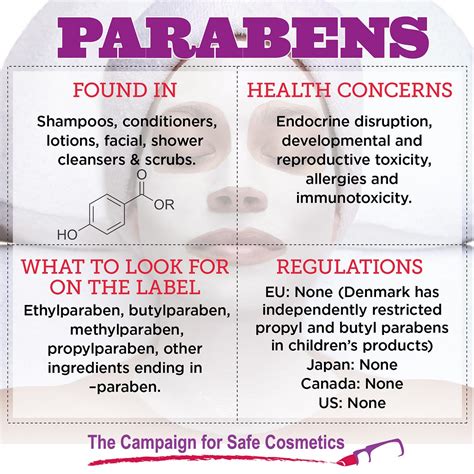
Paraben-free signifies that a product does not contain parabens. Parabens are preservatives that help extend a product's shelf life by inhibiting the growth of bacteria and mold. Despite their preservative efficacy, many consumers now opt to avoid parabens due to perceived health concerns or skin sensitivity.
Parabens remain present in some products due to their cost-effectiveness and performance. Even with the growing trend towards paraben-free options, numerous brands continue to utilize them to ensure product longevity. Nevertheless, alternative preservatives are increasingly employed to meet the demand for safer and gentler formulations, and these are clearly labeled as "paraben-free" for consumer visibility.
Common Parabens to Be Aware Of:
- Methylparaben: The most prevalent paraben, effective in preventing bacterial growth in skincare and cosmetics.
- Ethylparaben: Similar in function to methylparaben but slightly more potent, contributing to a longer product shelf life.
- Propylparaben: Offers enhanced protection against mold and is frequently used in creams and lotions.
- Butylparaben: The strongest in this group, typically used in small quantities for thicker product formulations.
Benefits of Products Without Parabens
Products formulated without parabens help to avoid chemicals that may potentially interfere with the body's hormonal balance. Some research suggests that parabens can mimic estrogen, a key hormone in the body. While the effect is considered minimal, many individuals prefer to abstain from them, particularly with daily product usage. Choosing paraben-free alternatives can alleviate concerns related to prolonged exposure.
Furthermore, these products are often formulated to be gentler on the skin, potentially reducing the likelihood of irritation. Many consumers are drawn to paraben-free options because they represent a commitment to simpler and cleaner formulations, typically involving fewer synthetic ingredients while still ensuring the safety of skin and hair. This makes them particularly appealing to parents, pregnant individuals, and those with sensitive skin, as the "paraben-free" label often indicates suitability for regular use without adverse effects.
Is It Better to Purchase Paraben-Free Products?
Paraben-free products can indeed be a preferable choice if you have sensitive skin or wish to avoid specific types of preservatives. Regulatory bodies like the FDA and European safety authorities generally consider parabens safe at the concentrations used in cosmetics. However, certain parabens, such as propylparaben and butylparaben, have stricter usage limits due to their potential estrogenic activity. To date, there is no definitive scientific evidence establishing a direct link between parabens and serious health issues in humans.
Ultimately, the decision rests on personal preference. While the risks are considered low, some individuals opt for complete avoidance. Conversely, many established and trusted products containing parabens are available, provided they adhere to safety regulations and undergo rigorous clinical testing. The most suitable choice is the one that ensures the user's comfort and perceived safety.
It is important to note that paraben-free products are not necessarily superior in terms of performance. Brands often substitute parabens with alternative preservatives to maintain product safety from microbial contamination. The critical factors remain whether the product is safe for use and meets individual needs. Ultimately, product efficacy and protection are paramount, often outweighing the significance of a single label.
Paraben-Free vs. Sulfate-Free: Understanding the Difference
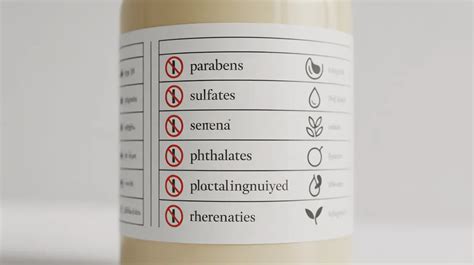
Many products now feature labels such as "sulfate-free" alongside "paraben-free." While they might sound similar, their functions are distinct. Sulfates are primarily cleansing agents responsible for removing oil and dirt from products like shampoos and face washes. Parabens, as previously discussed, act as preservatives, safeguarding the product against bacterial and mold growth.
To choose effectively between them, it is essential to consider your specific skin or hair needs. For instance, if you have dry skin or a sensitive scalp, sulfate-free products might be beneficial as they cleanse without stripping natural oils. Conversely, if your primary concern is chemical exposure or potential hormonal effects, a paraben-free product would be the more appropriate choice.
Benefits of Choosing Paraben-Free Over Sulfate-Free Products
Products free from parabens tend to prioritize long-term skin health over immediate cleansing comfort. By mitigating potential risks associated with skin reactions and hormonal concerns, their benefits extend to overall well-being, impacting more than just the superficial layer of the skin. This makes them particularly suitable for daily use in products like creams and lotions. In contrast to sulfate-free options that primarily aim to reduce dryness during washing, paraben-free formulations contribute to healthier and calmer skin over time.
Embrace Beauty Without Compromising Health
Paraben-free products offer a clear and conscious choice for individuals prioritizing daily skin safety and mindful ingredient selection. While parabens are generally deemed safe in small quantities, many prefer to avoid them for peace of mind, especially those with heightened concerns about hormonal fluctuations. Regardless of whether you choose a paraben-free or sulfate-free option, the best product is the one that makes you feel most secure and comfortable.
Beyond ingredients, the source of your products is also a crucial consideration. Opting for brands that demonstrate respect for both consumers and the environment is advisable. For example, brands committed to creating personal care items that are effective without harming the body or the planet offer a valuable alternative. Such brands often emphasize natural, plant-based formulations, eschewing fleeting trends and synthetic shortcuts, thereby distinguishing themselves in the market.