Dry brushing, also known as gharsana, is an ancient Ayurvedic practice that has been utilized for centuries. This technique involves using a brush with coarse, natural fiber bristles to gently rub the skin in a specific pattern. Proponents of dry brushing believe it offers numerous health and wellness benefits, primarily through exfoliation of the skin.
The core idea behind dry brushing is that the coarse bristles effectively remove dead skin cells, thereby improving the skin's texture and its natural ability to eliminate toxins through the pores. While scientific evidence supporting all claimed benefits is limited, dry brushing is generally considered safe for most individuals when performed correctly.
Perceived Benefits of Dry Brushing
The potential advantages attributed to dry brushing are diverse, ranging from internal system support to aesthetic improvements. These benefits are thought to stem from the mechanical action of the brush on the skin's surface.
Stimulating the Lymphatic System and Toxin Removal
The lymphatic system plays a crucial role in the body's immune response, filtering fluids and removing waste products. When this system becomes overwhelmed or "backed up" due to illness or toxin exposure, lymph nodes can swell. Dry brushing is believed to aid the body in releasing toxins through sweat by stimulating the pores and opening them up. This increased sweating is theorized to reduce the toxic load on the lymphatic system. However, it is important to note that there is limited scientific research to substantiate this claim.
Exfoliation and Skin Renewal
One of the most widely accepted benefits of dry brushing is its exfoliating effect. The coarse bristles effectively slough away dry, dead skin cells, leaving the skin feeling smoother and softer. This process of exfoliation can also potentially support collagen production, contributing to healthier-looking skin.
Relaxation and Invigoration
Many individuals find dry brushing to be a relaxing experience, akin to a massage. Practicing dry brushing in a calm and quiet environment can enhance this sense of well-being. Furthermore, the stimulation of the nervous system through brushing can leave one feeling invigorated and refreshed.
Addressing Cellulite
Cellulite, characterized by a dimpled or "cottage cheese" appearance of the skin, primarily affects women. While the exact causes are not fully understood, some research suggests that certain types of massage may temporarily reduce its appearance. Some people claim dry brushing can achieve similar results due to its massage-like effects. However, there is no scientific data to support this theory, and it is not recognized as a standard treatment for cellulite by most medical professionals.
How to Dry Brush Safely and Effectively
To experience the potential benefits of dry brushing, it is important to use the correct technique and take necessary precautions, especially for those with sensitive skin or existing skin conditions.
Choosing the Right Brush
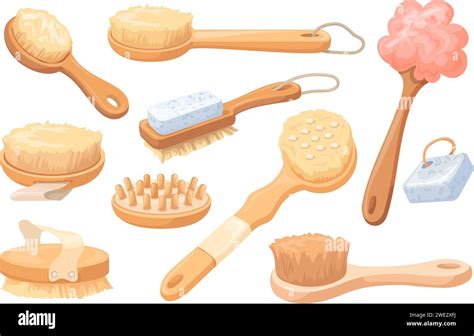
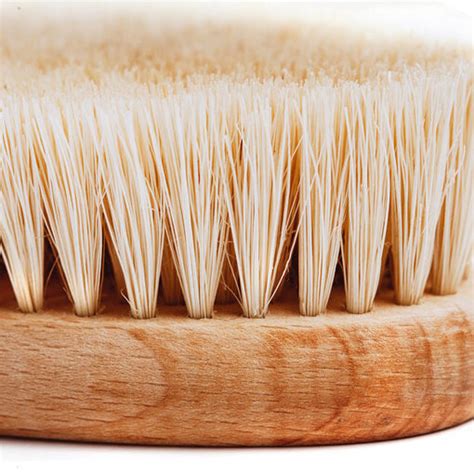
For dry brushing, a brush with natural fiber bristles is recommended. Opt for one with a long handle to easily reach all areas of your body. The firmness of the bristles can vary, and personal preference, along with skin sensitivity, should guide your choice. Brushes are generally affordable and widely available in health food stores or online.
The Dry Brushing Technique
The recommended method for dry brushing involves starting at your feet and moving upwards towards your heart. Use wide, circular, or sweeping strokes. Apply light pressure on areas with thin skin and harder pressure on thicker skin, such as the soles of your feet. After brushing the legs and mid-section, move to the arms, brushing upwards towards the armpits.
It is generally advised to dry brush once a day, ideally just before a shower. This allows you to wash away the exfoliated dead skin cells. After showering and drying off, applying a natural plant oil, such as olive or coconut oil, can help moisturize the skin and lock in hydration.
Precautions for Sensitive Skin and Skin Conditions
While dry brushing is generally safe, certain individuals should exercise caution or avoid it altogether. People with open or inflamed skin, including those with eczema, psoriasis, or active infections, should avoid brushing over these areas. Never brush over open wounds, cuts, scrapes, or burns, as this can introduce bacteria and lead to infection.
If you have sensitive skin, start with light brushing and gradually increase pressure as you become accustomed to it. If you notice any redness, swelling, or inflammation, stop the process immediately. It is also recommended to avoid dry brushing the face unless using a much softer brush specifically designed for facial use, as the skin on the face is more delicate.
Individuals with conditions like psoriasis, eczema, or excessively dry skin should consult with their healthcare provider before starting dry brushing to ensure it is appropriate for their skin type and condition. Avoid brushing over moles, warts, or raised bumps.
Dry Brushing for Lymphatic Drainage - a FULL-BODY Routine for a Healthy Lymphatic System
Dry Brushing and Skincare Product Absorption
An often-overlooked benefit of dry brushing is its ability to prepare the skin for better absorption of skincare products. By removing the barrier of dead skin cells and improving circulation, lotions, serums, and oils can penetrate more effectively, maximizing their benefits.
Brush Maintenance
To maintain hygiene and prevent mildew, it is essential to care for your dry brush. Rinse the brush after each use and allow it to dry in an open, sunny area. Clean the brush thoroughly with soap and water once a week. It is also recommended to avoid sharing your dry brush with others to prevent the spread of bacteria and potential infections.
What the Science Says
Much of the scientific literature on dry brushing focuses on its effects as a form of mechanical exfoliation and surface stimulation. These effects align with how physical brushing interacts with the skin's outer layers. While claims about significant impacts on circulation and lymphatic flow are common in wellness discussions, research indicates that dry brushing primarily affects superficial tissue and sensory nerves. It does not replace clinical or manual lymphatic drainage techniques and is considered supportive rather than therapeutic in these contexts.
For massage therapists, dry brushing is often used as a preparatory step before hands-on work, helping to exfoliate the skin and potentially enhance the body's response to touch. However, it is not a standalone massage technique and should not be used to treat medical skin conditions.
Dry Brushing FAQs
- How often should dry brushing be done? Most people find that dry brushing a few times per week is sufficient. Frequency can depend on personal comfort, skin condition, and how the skin responds to pressure.
- Is dry brushing safe for sensitive skin? Sensitive skin may react even to light pressure. It is advisable to test a small area first to determine tolerance. If irritation occurs, discontinue use.
- Does dry brushing help with lymphatic drainage? Dry brushing stimulates superficial tissue near lymph nodes, which may encourage superficial lymph movement. However, it does not replace specialized lymphatic drainage techniques used in professional massage therapy.
- Does dry brushing improve skin tone or cellulite? Dry brushing may temporarily affect skin tone by increasing surface circulation. While some individuals report short-term changes in the appearance of cellulite, there is no scientific evidence to support that dry brushing effectively reduces cellulite.
- Is dry brushing part of a beauty or skincare routine? Yes, dry brushing is often incorporated into broader beauty routines focused on exfoliation and surface comfort, serving as a preparatory step for other skincare treatments.