In today's fast-paced world, it's challenging to completely avoid stress. However, you might not be aware that stress can significantly contribute to the formation of wrinkles and accelerate the aging process of your skin. This article delves into the causes behind stress-induced wrinkles and provides actionable strategies for their prevention.
Understanding Stress Wrinkles
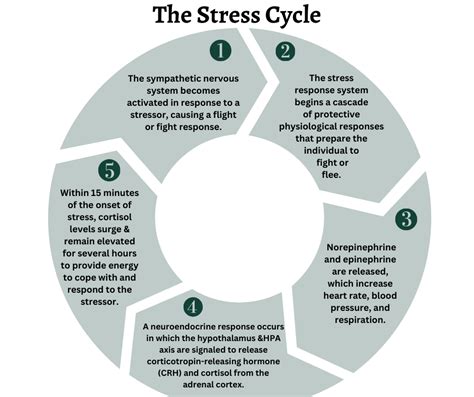
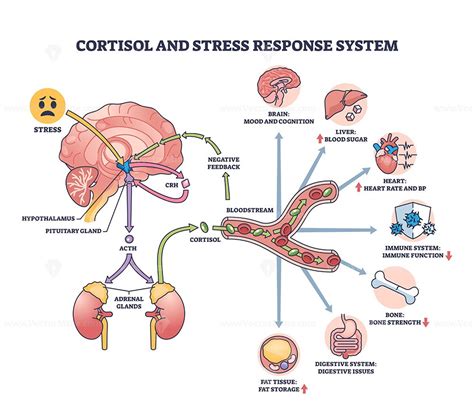
Stress wrinkles are defined as lines or creases that appear on the skin as a direct result of stress. When you experience stress, your body releases a hormone called cortisol. This hormone plays a crucial role in the breakdown of collagen, a vital protein responsible for maintaining skin elasticity and a youthful appearance.
As cortisol levels rise, collagen production decreases, leading to the formation of wrinkles. This process is not limited to new wrinkle formation; stress can also exacerbate existing wrinkles, making them appear more pronounced.
Distinguishing Stress Wrinkles from Age-Related Wrinkles
While both stress and the natural aging process can lead to wrinkles, there are distinctions:
- Age-related wrinkles are a natural consequence of aging, involving the gradual decline of skin elasticity and collagen over time.
- Stress wrinkles are specifically caused by the physiological responses to stress.
Generally, age-related wrinkles tend to be deeper and more pronounced than stress wrinkles. They also typically manifest in different areas of the face:
- Age-related wrinkles commonly appear on the forehead, around the eyes, and at the corners of the mouth.
- Stress wrinkles are more frequently observed between the eyebrows and on the bridge of the nose.
Beyond wrinkles, stress can contribute to other visible signs of aging, such as changes in skin pigmentation and the appearance of under-eye circles.

Other Factors Contributing to Wrinkles
While stress is a significant factor, several other elements contribute to the development of wrinkles:
- UV Exposure: Ultraviolet (UV) rays from the sun can damage collagen and elastin fibers, accelerating wrinkle formation.
- Smoking: Smoking harms skin cells, reduces collagen production, and impairs the skin's ability to repair itself, all of which contribute to wrinkles.
- Poor Diet: A diet lacking essential vitamins and minerals can negatively impact skin health and its ability to maintain elasticity.
Preventing Wrinkles: A Multifaceted Approach
Understanding the causes of stress wrinkles is the first step; the next is implementing strategies to prevent them. Fortunately, several effective methods can help keep stress wrinkles at bay and promote overall skin health.
1. Stress Reduction Techniques
The most direct approach is to actively reduce the amount of stress in your life. While this can be challenging, incorporating stress-management practices is crucial:
- Mindfulness and Relaxation: Techniques such as yoga, meditation, and deep breathing exercises can help calm the nervous system.
- Physical Activity: Regular exercise is a proven stress reliever and can improve overall well-being.
- Therapy and Counseling: Seeking professional help can provide tools and strategies for managing stress effectively.
- Engaging Hobbies: Activities like listening to music, journaling, or spending time in nature can offer respite from stressors.
- Social Connection: Spending time with friends and family, or engaging in activities like a walk in the park or a healthy lunch, can be beneficial.
Finding the right stress-relief method is personal, much like finding the best anti-aging cream for your skin.
2. Sun Protection
Protecting your skin from the sun is paramount. Always wear a sunscreen with an SPF of 30 or higher, and reapply it every two hours when exposed to the sun. This helps shield your skin from damaging UV rays that degrade collagen and elastin.
3. Healthy Diet
Nourish your skin from within by adopting a healthy diet rich in vitamins and minerals. Prioritize fruits, vegetables, and whole grains. Consider a daily multivitamin to ensure you are meeting your nutritional needs, supporting your skin's health and resilience.
4. Adequate Sleep
Aim for seven to eight hours of sleep per night. Insufficient sleep can elevate stress levels, creating a cycle that contributes to premature aging and wrinkle formation. Chronic sleep deprivation can increase signs of aging, including fine lines and reduced skin elasticity.
5. Hydration
Drinking plenty of water is essential for keeping your skin plump, hydrated, and youthful-looking. Proper hydration supports the skin's barrier function and overall health.
6. Quitting Smoking
If you smoke, quitting is one of the most impactful actions you can take for your skin's health. Smoking significantly damages skin cells and accelerates the aging process, leading to wrinkles.
7. Stimulating Collagen Production
Several interventions can help stimulate your body's natural collagen production, thereby improving skin firmness and reducing the appearance of wrinkles. This can include topical treatments and professional procedures.
Skincare Products for Wrinkle Reduction
For those seeking to reduce the appearance of existing wrinkles, specific skincare products can be beneficial:
- Retinoid Creams and Serums: Retinoids are derivatives of Vitamin A that can accelerate cell turnover and stimulate collagen production, improving the appearance of fine lines and wrinkles.
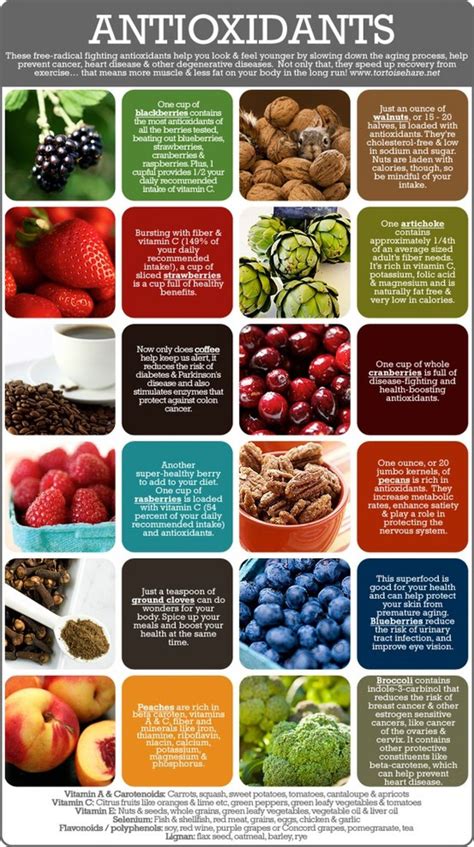
- Vitamin C Serums: These serums are rich in antioxidants that help protect the skin from environmental damage, brighten the complexion, and support collagen synthesis. They often contain hydrating ingredients that contribute to a more youthful look.
- Advanced Formulas: Some products are designed with potent ingredients that aim to fill wrinkles, lift sagging skin, and provide a smoother, more youthful complexion by mimicking the effects of treatments like Botox but through natural means.
How Stress Manifests on Your Face Beyond Wrinkles
Chronic stress can influence your skin in various ways, impacting not only wrinkles but also other aspects of your facial appearance:
Acne
Stress triggers the release of cortisol, which in turn can stimulate the sebaceous glands to produce more oil. This excess oil can clog pores, leading to breakouts. Studies have indicated a correlation between higher stress levels and increased acne severity, particularly in young adults.
Bags Under Your Eyes
Stress, especially when accompanied by sleep deprivation, can exacerbate the appearance of under-eye bags. This is due to reduced skin elasticity and potential fluid retention, making the area beneath the eyes appear puffy and tired.
Dry Skin
Stress has been shown to impair the skin's barrier function, compromising its ability to retain moisture. This can lead to dry, itchy skin and slow down the skin barrier's healing process.
Rashes
A weakened immune system due to stress can lead to imbalances in skin bacteria, potentially causing redness or rashes.
Graying Hair and Hair Loss
Recent scientific findings suggest that stress can deplete the stem cells responsible for producing melanin, the pigment that gives hair its color. This can lead to premature graying. Additionally, chronic stress can disrupt the hair growth cycle, leading to increased hair shedding (telogen effluvium).
Other Facial Effects
- Tooth Damage: Stress can lead to teeth grinding (bruxism), which can cause significant dental damage over time.
- Temporomandibular Joint Dysfunction (TMD): Repeated teeth clenching, often associated with stress, can contribute to TMD, a condition affecting the jaw joint.
- Face Flushing: Changes in breathing patterns due to stress can sometimes cause temporary facial flushing.
- Sore Lips: Some individuals may develop a habit of chewing their lips or the inside of their mouth when stressed, leading to soreness.
Addressing the Effects of Stress on Your Skin
While some stressors are unavoidable, managing stress and minimizing avoidable ones is key to mitigating their impact on your skin. Prioritize scheduling time for relaxing activities, maintaining healthy lifestyle habits, staying physically active, and talking to others about your feelings. Avoiding drugs and alcohol can also help manage stress more effectively.
Chronic stress can leave a lasting impression on your face, contributing to premature aging. By minimizing avoidable stressors and learning effective stress-management techniques, you can combat these signs of aging and maintain a healthier, more youthful complexion.
It's important to note that while acute, short-term stress is a normal part of life, chronic stress can significantly impact your health and skin, leading to accelerated aging. Environmental stressors such as sun exposure, pollution, and smoking further contribute to skin aging, resulting in lines, wrinkles, and dark spots.
The Role of Inflammation and Telomeres
Chronic stress triggers inflammatory responses in the body, which can damage skin cells and accelerate aging. Furthermore, research suggests that chronic stress can lead to the premature shortening of telomeres, the protective caps on chromosomes that are associated with cellular aging. This shortening contributes to a faster overall aging process.
Reversing and Preventing Stress-Induced Skin Aging
While the aging process cannot be halted, its progression can be slowed down. Key strategies include:
- Sunscreen Use: Consistent application of sunscreen protects against UV damage.
- Avoiding Smoking: Quitting smoking is crucial for skin health.
- Antioxidant Skincare: Products containing Vitamin C, Vitamin E, and argan oil help protect against free radical damage and premature aging.
- Reducing Psychological Stress: Incorporate techniques like aromatherapy, meditation, adequate sleep, exercise, and spending time outdoors.
By combining these healthy lifestyle habits with appropriate anti-aging skincare tailored to your skin type, you can achieve more comprehensive results in maintaining healthy, bright, and youthful-looking skin.
Professional Treatments for Stress Wrinkles
For more targeted treatment of stress-related wrinkles, several professional options are available:
- BOTOX: This treatment temporarily paralyzes the muscles responsible for forming expression lines, such as frown lines, effectively smoothing them out.
- Dermal Fillers: These injections help restore lost volume by triggering the skin's natural healing response, stimulating new collagen and elastin production.
- Laser Treatments: Procedures like laser skin resurfacing and tightening can significantly reduce the appearance of lines and wrinkles by stimulating collagen and elastin production in both the surface and deeper layers of the skin, offering long-lasting results.