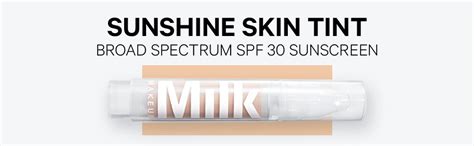
Even out skin tone and moisturize in a single step with Milk Sunshine Skin Tint SPF 30. This tinted moisturizer offers broad-spectrum sun protection, weightless coverage, and imparts a dewy glow while comforting the skin.
Key Features and Benefits
Milk Sunshine Skin Tint SPF 30 is designed to be a multi-tasking product that simplifies your routine. It aims to provide hydration, sun protection, and a natural-looking finish.
Hydration and Moisturization
Crafted with plant-derived squalane, this skin tint works to boost the skin's moisture levels. It also contains a blend of grapeseed, avocado, mandarin, jojoba, and olive oils to further hydrate and moisturize the skin.
Sun Protection
The formula includes SPF 30 and non-nano zinc to protect the skin against UVA and UVB rays. This ensures you receive essential sun protection throughout the day.
Coverage and Finish
With weightless coverage, the skin tint comforts the skin and imparts a dewy glow. It is designed to provide a natural, radiant finish without feeling heavy or greasy.
Skincare Benefits
Beyond its cosmetic benefits, this skin tint is formulated with ingredients that visibly smooth skin and help protect your skin barrier. It is clinically proven to boost hydration by 24%.
Product Performance
- Longwear skin tint lasts up to 12 hours.
- Buildable light to medium coverage.
- Natural dewy finish.
- Weightless gel base that doesn't feel heavy or greasy.
- No fading, caking, creasing, or settling into fine lines.
- Visibly smooths skin and helps protect the skin barrier.
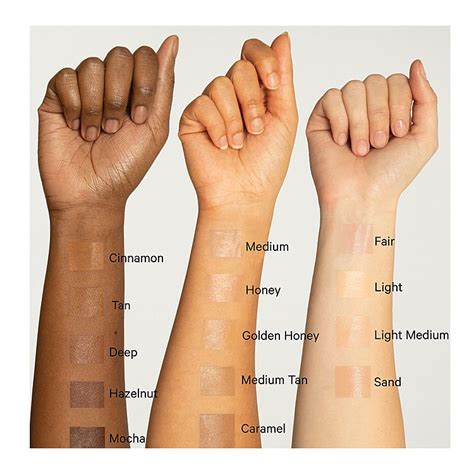
- Available in 15 diverse and inclusive shades.
- Safe for sensitive and acne-prone skin.
- Non-comedogenic (won't clog pores).
- Dermatologist tested.
- Fragrance-free, paraben-free, and silicone-free.
Understanding Sunscreen Ingredients
The effectiveness and safety of sunscreens rely heavily on their active ingredients. Understanding these components can help consumers make informed choices.
Chemical Sunscreens: Octinoxate (Ethylhexyl Methoxycinnamate)
Octinoxate is a clear, oil-soluble, "cosmetically-elegant" liquid and is a commonly used chemical sunscreen. However, it primarily protects against UVB rays and not UVA rays. It is also not very stable when exposed to sunlight, losing effectiveness over time. To improve stability and achieve broad-spectrum protection, it is often combined with other sunscreen agents like Tinosorb S. There are some safety concerns regarding Octinoxate, with in vitro and animal studies suggesting potential hormonal effects. While these studies were not conducted under real-life conditions, it is recommended that pregnant individuals and small children opt for physical (zinc oxide/titanium dioxide) or new-generation Tinosorb-based sunscreens for added precaution.
Physical Sunscreens: Zinc Oxide
Zinc Oxide stands out in the realm of sunscreen agents. It provides broad-spectrum protection that is even more comprehensive than Titanium Dioxide. It is highly stable and non-irritating, also functioning as a skin protectant and anti-irritant. A disadvantage of Zinc Oxide is that it can leave a noticeable whitish tint on the skin, although it is reported to be slightly less so than Titanium Dioxide. Concerns about nanoparticles have been raised, but current research indicates that sunscreen nanoparticles remain on the skin's surface or in the uppermost dead layer and are not absorbed.
Other Sunscreen Considerations
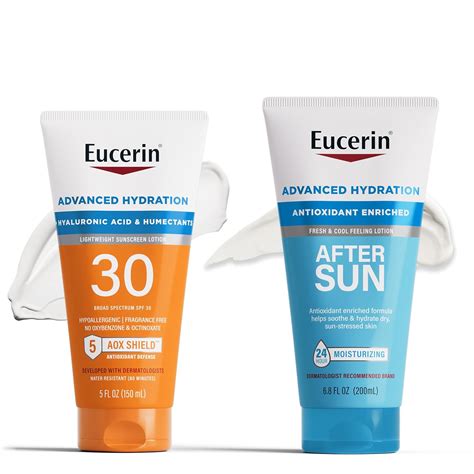
When selecting a sunscreen, it is crucial to look for products that offer broad-spectrum protection, meaning they defend against both UVA and UVB rays. For those concerned about potential effects of chemical filters, physical blockers like Zinc Oxide and Titanium Dioxide are often preferred.
Key Ingredients and Their Functions
Milk Sunshine Skin Tint SPF 30 is formulated with a blend of beneficial ingredients designed to enhance skin hydration, texture, and overall appearance.
Hydration Heroes
- Triple-Powered Hyaluronic Acid (Triluronic Acid): An advanced form of Hyaluronic Acid that combines three molecular weights to deeply hydrate and support the skin barrier.
- Niacinamide: Helps to boost moisture and visibly smooth the skin.
- Squalane: A plant-derived ingredient that boosts skin's moisture levels, providing emolliency, surface occlusion, and preventing TEWL (Transepidermal Water Loss) with cosmetic elegance. It is compatible with all skin types and conditions.
- Grapeseed Oil: A light emollient oil rich in polyphenols that makes the skin feel smooth and nice.
- Avocado Oil: A rich, highly moisturizing emollient oil loaded with nourishing fatty acids like oleic acid. It has excellent skin penetration abilities and contains antioxidant properties due to its vitamin E content.
- Mandarin Oil: Derived from the peel of the mandarin orange, it can add fragrance but may also contain compounds that can irritate sensitive skin.
- Jojoba Oil: A highly stable wax ester that is very similar to human sebum, making it exceptionally compatible with the skin.
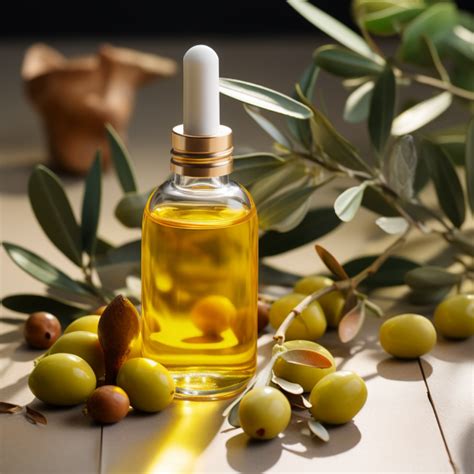
- Olive Oil: A similar emollient plant oil, rich in nourishing fatty acids.
Texture and Performance Enhancers
- Blue Agave Extract: Helps keep makeup gripped on for up to 12 hours, preventing fading, caking, and creasing.
- Water (H2O): Purified and deionized, it is the most common skincare ingredient, acting as a base and solvent.
- Butylene Glycol (BG): A multi-tasking ingredient that acts as a solvent, penetration enhancer, slip agent, and humectant, drawing water into the skin. It is approved by Ecocert and used in natural products.
- Coconut Alkanes: A volatile, naturally derived vegetable alkane that provides a silky smooth skin feel and forms a protective barrier.
- Dimethicone: A common silicone that makes the skin silky smooth, creates a subtle gloss, and forms a protective barrier. It can also temporarily fill in fine lines and wrinkles.
- PEG-30 Dipolyhydroxystearate: Helps to create lighter and more elegant oil-in-water emulsions with an elegant skin feel.
- Copolymer: An emulsifier that helps water and oil to mix, creating smooth creams and dispersing insoluble particles like pigments.
- Isododecane: A volatile liquid used as an emollient, providing a light, non-oily skin feel and improving slip without tackiness. It is also an excellent solvent.
- Triethoxycaprylylsilane: A dispersant that helps pigments, including inorganic sunscreens, to distribute evenly on the skin.
- Jojoba Esters: Jojoba-derived emollient wax esters that make the skin feel nice and smooth.
- Lecithin: A multi-tasker that acts as an emollient, water-binding ingredient, emulsifier, and stabilizer.
- Caprylic/Capric Triglyceride: A light emollient ester that absorbs quickly, leaving a dry, silky finish.
- Isostearyl Isostearate: A waxy emollient that provides body and consistency to formulas, leaving a velvety feel. It has a high comedogenicity index and may clog pores for some individuals.
- Dimethicone Crosspolymer: A silicone elastomer that forms a smooth film on the skin, providing a cosmetically elegant, non-tacky, and smooth skin feel.
- Cyclopentasiloxane: A light, velvety liquid that acts as an emollient and solvent, making the skin feel nice and smooth. Often used in makeup for shine and slip.
- Coco-Caprylate/Caprate: A vegetable origin cleansing agent with great foaming abilities.
- Glyceryl Stearate: A common multi-tasker that helps water and oil to mix, acting as an emulsifier.
- Magnesium Aluminum Silicate: A clay mineral that thickens and stabilizes formulas, helping to suspend inorganic sunscreen particles. It provides a rich, creamy skin feel and is thixotropic (easily spreadable upon application).
- Alumina: Used as a pigment carrier, helping to disperse pigments evenly. It can also act as an absorbent, viscosity controller, or opacifier.
- Xanthan Gum: A common thickener and emulsion stabilizer that gives products a gel-like consistency. It is all-natural and often combined with other rheology modifiers.
- Citric Acid: An AHA derived from citrus fruits, though generally considered to have fewer skin-improving properties compared to glycolic or lactic acid.
- Fragrance: Added to provide a pleasant scent. However, it can be a common cause of contact allergies and is best avoided by those with sensitive skin.
How to Use
Apply Milk Sunshine Skin Tint SPF 30 over clean, prepped skin. Blend with a brush, sponge, or fingertips. Start with one layer for light coverage and build for medium coverage.
Product Spotlight - Sunshine Skin Tint | Milk Makeup
Consumer Study Results
In a consumer perception study of 31 people using the product immediately after application:
- 100% said it doesn't cake, look patchy, or irritate skin.
- 96% said skin looks and feels smoother with a fresh, dewy glow.
- 93% said it doesn't settle in fine lines and wrinkles.