Vertical lip lines, infamously known as “smoker lines” or “kissy lines,” tend to form due to our natural aging process. Repetitive facial expressions over the years may cause the fine lines above the lip to slowly etch and become deep fissures. These lines can significantly affect how patients perceive their mouth area, making lipstick feather, creating a pursed look, or simply giving a prematurely aged appearance. As a medical aesthetician, treating vertical lip lines with finesse can be one of the most rewarding challenges. Done well, the results are subtle, soft, and confidence-boosting. Done poorly, however, overtreatment can result in unnatural stiffness or a puffy upper lip. This article outlines the causes of these lines, the best dermal filler options, and the safest injection techniques to produce natural, expressive results that patients love.
Understanding the Cause of Vertical Lip Lines
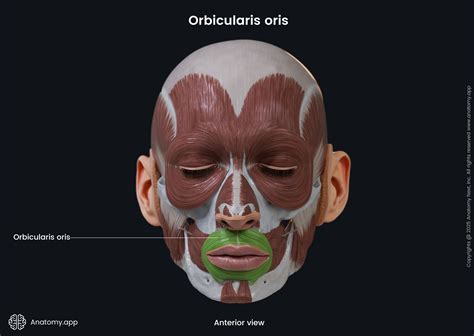
Vertical lip lines form from a combination of intrinsic aging and external lifestyle factors. Repetitive movement of the orbicularis oris muscle, particularly pursing the lips, gradually breaks down the surrounding collagen and elastin. Over time, this leads to fine etched lines that deepen with age. The decline in dermal collagen and hyaluronic acid contributes to thinner skin around the mouth, making it more susceptible to creasing. Lifestyle factors like smoking and chronic sun exposure accelerate this process by degrading collagen and elastin fibers. Even non-smokers can develop smoker’s lines simply due to habitual lip movement and skin changes with age. Anatomically, these lines are often accompanied by dermal thinning, reduced lip volume, and even minor retraction of the vermilion border. This combination means that treatment requires not just filling but an understanding of structure and movement.
Intrinsic Aging Factors
As we age, our skin begins to lose its elasticity and structure, making fine lines and wrinkles more visible. This is particularly obvious around the lips with the appearance of lip lines. The body’s production of the structural proteins collagen and elastin decreases. Collagen and elastin are responsible for keeping the skin smooth, firm, and elastic. Starting at the age of 20, production of these proteins decreases by 1% every year, meaning the skin gradually becomes looser and more crepey, and the lips become thinner. As collagen and elastin production decreases, fine lines and wrinkles become more visible, particularly on and around the lips. Dry skin also contributes, as sebum production decreases with age, making the skin more prone to dehydration and prominent fine lines.
Extrinsic Lifestyle Factors
Smoking is a common risk factor for vertical lip lines, which are also known as smoker’s lips. When patients smoke, the habit leads to the production of agents in the body known as free radicals. Free radicals speed up the natural aging process and can lead to wrinkles, particularly around the mouth. This can be further aggravated by the repetitive puckering motion when taking a drag of a cigarette. Frequent use of straws or drinking from a water bottle nozzle also causes the firm pursing of the lips that can lead to these lines. Excessive exposure to harmful UV rays from the sun can lead to sun damage for the skin cells. Damage from the sun can contribute to dryness on the skin and accentuate fine lines and wrinkles. The lips are particularly prone to this type of sun damage, known as photoaging, as patients frequently forget to apply sunscreen to their lips.
Repetitive Facial Expressions
Repeated contraction of muscles to make facial expressions, such as pursing your lips or sucking on straws, can contribute to creases around the lips. These muscles create creases on the face, known as dynamic wrinkles, when the muscle is engaged. However, as collagen and elastin production decrease, the creases become etched into the skin even when the face is at rest.
Best Filler Options for Vertical Lip Lines
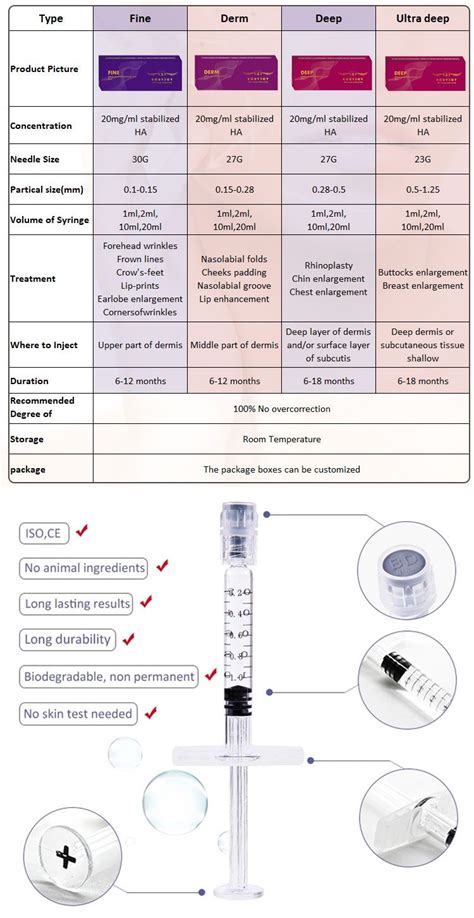
When it comes to selecting the best vertical lip lines filler, the goal is subtlety, not volume. A filler that is too viscous or firm can compromise lip movement and exaggerate the area instead of softening it. Products with low to mid viscosity and high integration capacity work best for these dynamic areas. Formulations designed for superficial placement or dynamic wrinkles are ideal. Hyaluronic acid-based fillers from the Juvederm or Restylane families are commonly used. Always consider whether the product has been FDA-approved for perioral use, though off-label treatments are frequently used based on injector's experience.
Juvederm Volbella
Juvederm Volbella is a great filler option for the correction of lip lines and for natural lip augmentation. It is composed of a thinner gel that other members of the Juvederm family, and it works well to fill in the lips. The hyaluronic acid fillers attract moisture, which helps to hydrate the skin and also triggers the body’s natural collagen production for plump, hydrated skin. Volbella can also restore volume lost as a result of the natural aging process and contour the lips for the ideal shape and pucker. Because this is a thin filler, it often takes more than one syringe for complete correction of the lip lines. This patient opted for a staged correction in two treatment sessions. She is shown here after her first syringe of Volbella. You can see improvement in the lines, but they are certainly not completely gone.
Restylane Kysse
Restylane Kysse was FDA approved in 2020 for use in the United States on the lips to improve lip texture and volume, and to treat lipstick lines. The formula used in the injectable filler contains smaller particle sizes compared to other fillers in the Restylane family, meaning Restylane Kysse works well to fill in the delicate lips and provide a natural look. As a hyaluronic acid filler, Restylane Kysse also helps to boost collagen production in the treatment area and helps to hydrate the lips. Restylane injectable fillers are unique in their use of the proprietary XpresHAn cross-linking technology, which helps to connect the filler with the tissue, meaning less filler is necessary for the best results.
Other Hyaluronic Acid Fillers
Fillers such as RHA and Belotero are extremely thin and flexible, making them the best options to treat these pesky wrinkles. Softer, thinner hyaluronic acid-based fillers can provide a smoothing of these vertical lip lines without adding any bulk or volume to the lip itself. Fillers used in lip lines are composed of hyaluronic acid, a naturally occurring sugar molecule in the body. Our natural supply of hyaluronic acid diminishes over time with age, and fine lines and loss of collagen occurs as a result. Fillers with small particle sizes and increased flexibility like the RHA 1 fillers are uniquely formulated to re-deliver this naturally hydrating substance to minimize fine vertical smoker’s lines while still allowing fully natural movement in the lip area.
Injection Techniques for Vertical Lip Lines
Treating vertical lip lines requires precision. Overcorrection is one of the most common aesthetic missteps in this area, leading to unnatural results or “ducky” lips. That’s why technique is just as important as product choice. Microbolus, blanching, and linear threading are among the most popular approaches. The blanching technique, involving small intradermal blebs, works well for superficial etched lines. Linear threading can be used for slightly deeper lines, ideally just into the dermis, while microbolus placement at an angle can support the vermilion border and soften shadowing. Volume should be minimal, often less than 0.1 mL per line, and delivered slowly with careful observation of tissue response. Cannulas may be used in some cases for broader areas, but needles offer greater control for these precise microinjections.
Key precautions include avoiding superficial overfilling that could lead to the Tyndall effect, and ensuring even distribution through massage or molding after placement. The aim is not to erase every line, but to soften the etched appearance while preserving natural lip movement.
Combination Approaches and Adjunctive Treatments
Filler alone may not always be enough to fully treat vertical lip lines, especially when lines are deeply set or accompanied by significant skin thinning. In these cases, combining treatments can yield more satisfying and long-lasting results.
Botulinum Toxin (Botox)
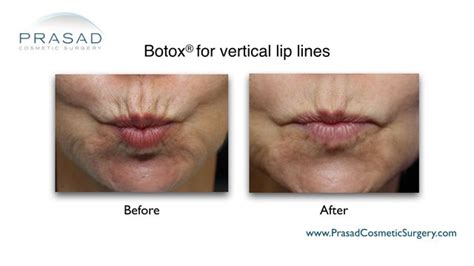
Botulinum toxin, when used in microdoses, can reduce hyperactivity of the orbicularis oris muscle and prevent further deepening of lines. This can be especially helpful in patients who purse their lips frequently, whether out of habit or profession (musicians, for instance). When injected into the lip area, Botox blocks the neurotransmitters at the site, which keeps the muscles from contracting and causes them to relax, resulting in smoother skin and the elimination of dynamic wrinkles. Botox is a safe and effective treatment for patients who want to eliminate wrinkles without any downtime. Patients will begin to see the effects of Botox treatment within 3-7 days and should enjoy the results for 3-6 months.
Laser Resurfacing and Chemical Peels
Laser resurfacing is an effective way to treat vertical lip lines by promoting collagen production and improving skin texture. This treatment can reduce the depth of lines and rejuvenate the appearance of the lips. Deep chemical peels remove damaged skin layers, encouraging new skin growth and reducing the appearance of lines. This option is ideal for those seeking significant improvement in skin texture and line depth. Chemical peels work to exfoliate the skin to promote new cell turnover and collagen production. Chemical peels can be found in several different concentrations, but for use on the lips, generally a mild solution will be best.
Microneedling and Platelet-Rich Plasma (PRP)
Microneedling can also support collagen remodeling and improve skin texture around the mouth. These methods are ideal for pre-treatment skin conditioning or maintenance post-filler. Microneedling works by creating small injuries on the surface of the skin, which in turn trigger the body’s natural healing response. As a result, collagen production increases, which improves the texture and structure of the skin. Microneedling is frequently paired with platelet-rich plasma treatment, which boosts skin rejuvenation. Platelet-rich plasma (PRP) is a treatment process that can be used to boost the body’s natural collagen production in order to rejuvenate the skin. The PRP solution is made from extracting the PRP from your blood.
Can You Get Rid of Vertical Lip Lines?
Yes, but it’s less about “erasing” and more about refining. Vertical lip lines can be softened considerably, often to the point where makeup no longer settles into creases and the mouth looks fresher. However, trying to completely eliminate them may result in overcorrection. A well-planned filler treatment improves the area without freezing expression. In some cases, a combination of light filler, skin therapies, and neuromodulators will yield the best result over several sessions. Maintenance is also key. Because this area is dynamic and highly mobile, filler tends to metabolize a bit faster here. Most patients will need touch-ups every 6-9 months, especially if the filler used is soft and placed superficially.
Patient Selection and Planning
Not every patient is a candidate for vertical lip line filler. Those with very thin skin, excessive photodamage, or unrealistic expectations should be assessed carefully. Overfilled lips are a common concern, so it’s important to explain that the goal is texture refinement, not volume. Ideal patients are those with mild-to-moderate perioral lines, good skin tone, and a willingness to follow a maintenance plan. Start with conservative filler volumes, especially in first-time patients, and consider pairing with skin-boosting treatments. Educate patients that results improve with time and that a multi-layered approach often gives the most natural outcome.
A thorough evaluation of facial features is crucial when treating vertical lip lines. This includes considering the surrounding areas such as nasolabial folds and overall skin laxity. Addressing the entire facial structure ensures a more balanced and natural-looking result.
Risks and Side Effects
The most common side effects of dermal fillers include swelling, redness, pain, bruising, headache, tenderness, lump formation, itching at the injection site, and impaired hand function (in the case of Restylane Lyft hand injections). Delayed-onset inflammation near the site of dermal filler injections is one of the known adverse events associated with dermal fillers, and cases have been reported to occur at the dermal filler treatment site following viral or bacterial illnesses or infections, vaccinations, or dental procedures. Typically, the reported inflammation was responsive to treatment or resolved on its own. Serious but rare side effects include delayed-onset infections, recurrence of herpetic eruptions, superficial necrosis, and scarring at the injection site. The risk of unintentional injection into a blood vessel is small but can occur and could result in serious complications, which may be permanent including vision abnormalities, blindness, stroke, temporary scabs, or permanent scarring of the skin.
Do not use dermal fillers if you have severe allergies that have required in-hospital treatment, are allergic to lidocaine or gram-positive bacterial proteins used to make hyaluronic acid, are prone to bleeding, or have a bleeding disorder. The safety of use while pregnant or breastfeeding has not been studied. Tell your doctor if you’re taking medications that lower your body’s immune response or affect bleeding, such as aspirin or warfarin; these medications may increase the risk of bruising or bleeding at the gel injection site.
Case study of dermal filler induced vascular occlusion
Frequently Asked Questions
How to get rid of vertical lip lines without surgery?
Topical retinoids, microneedling, and laser resurfacing can reduce the appearance of vertical lip lines over time. Regular skincare and sun protection are also essential. Combination treatments with dermal fillers and Botox are also highly effective.
How to fix a double lip line naturally?
Hydration, collagen-stimulating treatments like microneedling, and muscle relaxation with small amounts of botulinum toxin may help soften the appearance. While Vaseline can help lock in moisture and improve skin texture, it does not reverse wrinkles.
How to lift the upper lip without surgery?
Options include filler to support the vermilion border, neuromodulators to reduce muscle pull, or energy-based skin tightening devices. Combining these with treatments for lip lines can provide a comprehensive rejuvenation.
What is the best thing for vertical lip lines?
The best option depends on skin type and wrinkle severity, but a combination of low-viscosity hyaluronic acid filler and supportive skin treatments often works best. A thorough consultation with a qualified practitioner is crucial for personalized recommendations.