Dark circles under the eyes are a common concern for many, making the under-eye area appear tired and dull. These can stem from a variety of factors, including lack of sleep, stress, genetics, aging, and dehydration. Fortunately, a combination of consistent skincare habits and targeted products can help to brighten and refresh the appearance of your eyes.
Understanding the Causes of Dark Circles
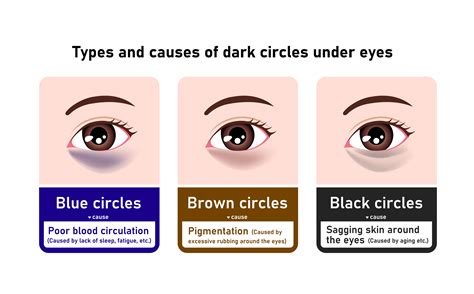
To effectively address dark circles, it's important to understand their underlying causes. These can be multifactorial, meaning several elements often contribute to their appearance.
Genetics and Anatomy
In many cases, dark circles are hereditary. If your parents have them, you are more likely to develop them as well. This predisposition can manifest as a naturally angular or hollow bone structure, creating a concave eye area that appears "sunken."
Skin Density and Thinning
The skin around the eyes is naturally some of the thinnest on the body. As we age, this skin can become even thinner and less firm, making the underlying blood vessels and musculature more visible. This thinning is a significant contributor to the darker look.
Vascularity and Blood Vessels
Vascular congestion is another major cause. Some individuals have a higher concentration of superficial blood vessels under their eyes. Conditions like rosacea, chronic allergies, or certain medications can cause these vessels to engorge and leak over time. When blood seeps out, it can deposit pigment into the skin, creating a persistent darkness.
Aging and Loss of Volume
With age, the body's cellular regeneration slows down. This leads to a decrease in collagen and elastin production, essential proteins that keep the skin firm and plump. The loss of bone volume and elasticity in the mid-20s onwards can result in hollowness under the eyes, further accentuating dark circles.
Hyperpigmentation
Similar to dark spots that appear after breakouts, hyperpigmentation can also cause dark circles. This is often triggered by excessive eye rubbing, allergies, eczema, or psoriasis, all of which cause chronic inflammation. Individuals with melanin-rich skin tones are particularly susceptible to hyperpigmentation, as darker skin has a greater potential to become darker.
Lifestyle Factors
Lifestyle choices play a significant role. Stress, lack of sleep, poor nutrition, dehydration, and excessive alcohol consumption can all contribute to the appearance of dark circles. Stress, in particular, is inflammatory and can exacerbate other underlying causes.
Health Issues
In some instances, dark circles can be a symptom of underlying health conditions such as hypothyroidism, diabetes, or anemia. Deficiencies in B vitamins, like B6 and B12, can also affect circulation and oxygenation, leading to blood vessel dilation and darker under-eye areas.
Differentiating Dark Circles from Under-Eye Bags
It's important to distinguish between dark circles and under-eye bags, as they often occur together but require different approaches. Dark circles are typically flat shadows or pigmentation, while under-eye bags are puffy areas that cast shadows.
A simple test to differentiate is to gently press on your eyeball in the mirror. If the area beneath your eye bulges more, you are likely dealing with under-eye bags. If the area remains the same, you probably have textbook dark circles.
At-Home Strategies to Combat Dark Circles
While professional treatments can offer significant results, consistent at-home care is crucial for managing and reducing the appearance of dark circles.
Prioritize Sleep
While not always easy, aiming for 7-8 hours of quality sleep is fundamental. Elevating your head with an extra pillow can help prevent lymphatic fluid from pooling overnight, reducing puffiness and dark circles.
Stay Hydrated
Dehydration can make the skin appear dull and sunken, emphasizing dark circles. Carry a water bottle with you and make a habit of drinking water throughout the day, especially with meals.
Incorporate Targeted Skincare Ingredients
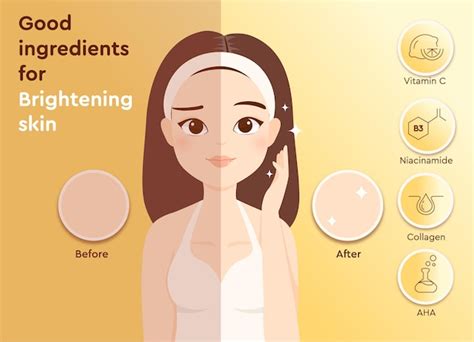
Several key ingredients can significantly improve the appearance of dark circles:
- Retinol: Stimulates collagen production, thickens the skin, and helps resurface skin to fade hyperpigmentation. Look for gentle eye creams formulated with retinol.
- Vitamin C: A potent antioxidant that brightens the skin and helps reduce pigmentation.
- Hyaluronic Acid: Hydrates and plumps the skin, reducing the appearance of fine lines and dryness.
- Caffeine: Constricts blood vessels, temporarily reducing puffiness and the bluish tint of dark circles.
- Peptides: Support collagen production and improve skin firmness.
- Brightening Agents: Ingredients like kojic acid, tranexamic acid, arbutin, and licorice root extract help decrease skin pigmentation over time.
Use Specialized Eye Creams and Serums
Several products are specifically designed to target dark circles:
- Even Better Eyes Dark Circle Corrector: Formulated to brighten, de-puff, and improve microcirculation with a cooling metal tip.
- All About Eyes Brightening Serum Concentrate: Features a precision applicator and a potent formula with retinoid, vitamin C, and hyaluronic acid for instant radiance.
- All About Eyes Eye Cream: A lightweight, hydrating cream that brightens and reduces puffiness and dark circles.
- All About Eyes Serum De-Puffing Eye Massage: A cooling rollerball serum that refreshes, de-puffs, and can be used under or over makeup.
Gentle Application and Massage
When applying eye creams and serums, use your ring finger, which applies the least pressure. Gently massaging the under-eye area can help improve microcirculation and reduce puffiness.
Camouflage with Color Correctors and Concealers
For immediate results, color correctors and concealers can effectively neutralize dark circles. Understanding the right shade to counteract your specific undertone is key to a flawless finish.
Protect from Sun Exposure
Sun damage can worsen hyperpigmentation and thin the delicate under-eye skin. Always wear broad-spectrum sunscreen with SPF 30 or higher, even on cloudy days. Mineral sunscreens with zinc oxide or titanium dioxide are often recommended for the eye area.
Professional Treatments for Persistent Dark Circles
For more stubborn or severe dark circles, professional treatments can offer more dramatic and long-lasting results. It's essential to consult with a board-certified dermatologist to determine the best approach for your specific concerns.
Fillers
Tear-trough fillers can effectively address dark circles caused by volume loss and hollowness. By replenishing lost volume, they reduce the shadow effect. This treatment is best suited for individuals without significant under-eye bags or vascularity and should be performed by an experienced practitioner.
Tear Trough Fillers: The Secret to Looking Refreshed and Youthful
Chemical Peels
Professional chemical peels use higher concentrations of acids to exfoliate the skin, break down built-up pigments, and reveal brighter, smoother skin. They can help with hyperpigmentation and improve skin texture.
Laser Treatments
Various laser therapies can target different causes of dark circles:
- Resurfacing Lasers (e.g., CO2, Fraxel): Stimulate collagen production, improve skin firmness, and reduce fine lines and wrinkles.
- Pigment-Targeting Lasers: Break down pigment particles, allowing the body to metabolize them.
- Vascular Lasers (e.g., PDL, BBL): Treat underlying superficial blood vessels that contribute to discoloration.
Microneedling
This procedure stimulates collagen production and improves overall skin quality, texture, and firmness, which can help reduce the appearance of dark circles and crepiness.
PRP Therapy (Platelet-Rich Plasma)
Also known as the "vampire facial," PRP therapy involves injecting concentrated platelets from your own blood into the under-eye area. The growth factors promote collagen production, improve skin texture, and reduce pigmentation, particularly beneficial for thinning skin or hollowing.
Exosome Therapy
A cutting-edge treatment using injectable exosomes derived from stem cells. These cellular messengers promote healing and skin regeneration, enhancing collagen production and rejuvenating the delicate under-eye skin.
When to Seek Medical Advice
If your dark circles are new, persistent, or accompanied by other unexplained symptoms, it's advisable to consult with your dermatologist or primary care physician. They can rule out any underlying health conditions contributing to the issue.