An effective, anti-aging skincare routine begins with sun protection. Using an SPF day cream in the morning, alongside other sun protection measures, can help shield your skin from damage. When this cream also contains retinol, it can simultaneously improve the appearance of fine lines, wrinkles, and rough texture, leading to more radiant skin. CeraVe Skin Renewing Day Cream is formulated as a non-comedogenic, anti-aging moisturizer that includes SPF and encapsulated retinol. This encapsulated retinol is gradually released into the skin, effectively reducing the appearance of fine lines and wrinkles without causing irritation.
Understanding the Sunscreen Ingredients
The CeraVe Skin Renewing Day Cream incorporates several key ingredients for sun protection and skin benefits.Ethylhexyl Methoxycinnamate (Octinoxate)
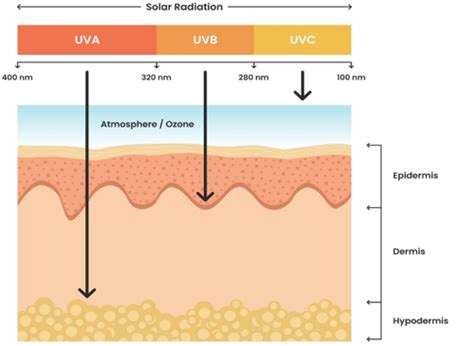
Ethylhexyl Methoxycinnamate, more commonly known as octinoxate, is an organic compound that provides UVB protection. It is synthesized from methoxycinnamic acid and 2-ethylhexanol. Octinoxate functions by absorbing UVB rays within the wavelength range of 280-320 nm. UVB rays, with wavelengths from 290-320 nm, possess higher energy than UVA rays. They are capable of damaging DNA, leading to sunburns, and are considered a contributing factor to skin cancer.
It is important to note that the state of Hawaii has banned sunscreens containing octinoxate due to concerns about its potential impact on coral reefs, although more research is needed to fully understand these effects. The European Union permits higher concentrations of octinoxate in sunscreens compared to the US and Australia. Ethylhexyl Methoxycinnamate is oil-soluble and can lose efficacy when exposed to sunlight due to its instability.
Zinc Oxide
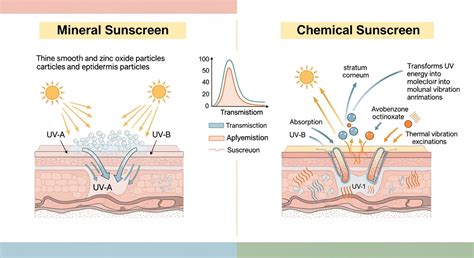
Zinc Oxide is a mineral that acts as a broad-spectrum UV filter. The FDA recognizes it as the broadest UVA and UVB reflector available. Beyond its UV filtering capabilities, zinc oxide offers skin protectant and soothing properties. It is highly effective in providing comprehensive protection against UVB, UVAII, and UVAI rays. Compared to titanium dioxide, zinc oxide offers more uniform and extended UVA protection. A significant advantage of zinc oxide is its high photostability, meaning it does not degrade easily under sunlight.
A common misconception is that mineral UV filters primarily reflect UV light. However, contemporary research indicates that titanium dioxide, much like chemical filters, absorbs UV radiation, with approximately 95% absorption and 5% reflection. Zinc oxide's skin-soothing properties make it a frequent ingredient in sunscreens formulated for sensitive skin or for babies and children. It is also less likely to cause "eye sting" compared to other sunscreen ingredients. Regulatory bodies consider zinc oxide to be non-toxic and safe, and it has been shown not to penetrate the skin.
A drawback of zinc oxide is that it can leave a visible white cast, which is why mineral sunscreens may be less cosmetically appealing than chemical or hybrid formulations. In cosmetic products, zinc oxide is available in both non-nano and nano-sized forms. The nano version is utilized to minimize the white cast and enhance the texture of sunscreen formulas. There are ongoing discussions regarding the potential impact of nano-zinc oxide on marine ecosystems and its absorption into the skin. Currently, there is no conclusive evidence to suggest that any form of zinc oxide causes harm to marine ecosystems or coral reefs, though research in this area is still evolving, and many consumers are closely monitoring this issue. It's worth noting that many travel destinations have implemented reef-safe sunscreen regulations. For instance, the Virgin Islands advise all visitors to use non-nano mineral sunscreens.
Concerns have also been raised about whether micronized or nano zinc oxide has potential phototoxicity and absorption through the skin and lungs. An in-vitro study suggested potential phototoxicity for micronized zinc oxide. However, the EU Commission's Scientific Committee on Consumer Safety has stated that the relevance of these findings requires clarification through in-vivo investigations, meaning further studies on living organisms are necessary. Current research indicates that zinc oxide nanoparticles do not penetrate intact or sunburned skin, remaining on the surface or within the outermost layer of dead skin cells (stratum corneum). Zinc oxide, along with titanium dioxide, is one of only two classified mineral UV filters. Historically, zinc has been employed in paint and medicine, with an Indian text from 500 BC believed to mention zinc oxide as a salve for open wounds.
Other Key Ingredients and Their Functions
Beyond sun protection, the CeraVe Skin Renewing Day Cream contains a variety of ingredients designed to hydrate, soothe, and improve skin texture.Water
Water is the most common cosmetic ingredient, often appearing at the top of ingredient lists, indicating it is present in the largest quantity. It is essential for life and plays a crucial role in skincare formulations.
Silicones (Cyclomethicone, Phenyl Trimethicone, Dimethicone, Dimethicone Crosspolymer)
Cyclomethicone is a type of silicone used to enhance product texture. Its circular structure allows for quick evaporation upon application, leaving a silky barrier on the skin and acting as a carrier for other ingredients. Phenyl Trimethicone is another silicone-based polymer derived from silica.
Dimethicone, a synthetic silicone derived from quartz, comes in various viscosities, each offering different properties. It is unlikely to cause irritation as it is not absorbed into the skin, though individuals with silicone allergies should exercise caution. Dimethicone may contribute to pilling when layered with other products due to its insolubility in oil or water. When mixed with heavy oils, it can result in a greasy feel.
Dimethicone Crosspolymer is a modified dimethicone that, due to its large molecular size, does not penetrate the skin and is considered non-occlusive. It is used to stabilize and thicken products, contributing to a silky texture.
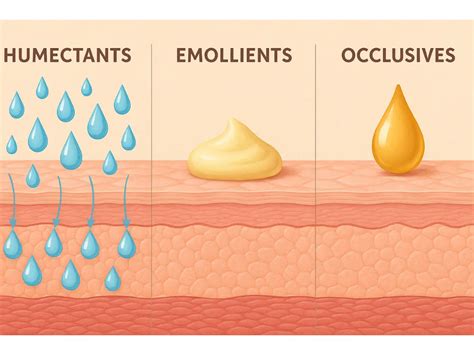
Emollients and Humectants (Pentylene Glycol, Glycerin, Squalane, Cetearyl Alcohol, Stearyl Alcohol)
Pentylene Glycol is typically used to thicken products and impart a smooth, soft, and moisturizing feel. Naturally found in plants like sugar beets, its hydrophilic nature makes it a humectant, drawing moisture from the air to the skin, thus enhancing hydration and texture. It also acts as a mild preservative. Some individuals may experience mild irritation from Pentylene Glycol, and consultation with a professional is recommended.
Glycerin is naturally present in the skin and helps moisturize and protect it. Studies show it to be a highly effective humectant, drawing moisture into the deeper layers of the skin, which strengthens the skin barrier and protects against irritants and bacteria. Glycerin also possesses antimicrobial and antiviral properties, making it useful in wound and burn treatments. It can be derived from plants or animals and is organic, colorless, odorless, and non-toxic.
Squalane is an emollient that helps the skin retain moisture. It is an oily liquid found naturally in certain fish and plant oils. Squalane acts as an antioxidant, fighting free radicals and skin damage. It is the hydrogenated version of squalene, a natural component of skin sebum, offering a longer shelf life. Research indicates squalane is non-irritating, even at high concentrations, and is suitable for sensitive skin. The source of squalane can influence its suitability for those with malassezia concerns; sugarcane-derived squalane is recommended over olive oil-derived squalane due to potential impurities. Squalane is technically a hydrocarbon, not a true oil.
Cetearyl Alcohol and Stearyl Alcohol are fatty alcohols that primarily function as emulsifiers, preventing oil and water separation. They also act as emollients, soothing and hydrating the skin by trapping moisture, and can thicken products. These fatty alcohols are generally non-toxic and non-irritating, often derived from plant oils. There is some debate regarding whether these ingredients can cause acne, and they may not be suitable for Malassezia folliculitis.
Emulsifiers and Cleansing Agents (Peg-40 Stearate, Potassium Cetyl Phosphate, Ceteareth-20, Sorbitan Isostearate)
Peg-40 Stearate is an emulsifier and cleanser made from polyethylene glycol and stearic acid. It helps oil and water mix. Due to its stearic acid component, it may not be suitable for fungal acne. Potassium Cetyl Phosphate is a potassium salt that functions as an emulsifier and cleansing agent, helping to stabilize products by preventing ingredient separation. It is also used to adjust product pH, which is crucial for maintaining the skin barrier.
Ceteareth-20 is an emulsifier and cleansing agent derived from cetearyl alcohol. It effectively blends oil and water-based ingredients, ensuring formula stability and smoothness. While its comedogenic and irritancy ratings might seem concerning, these are based on raw ingredient testing and typically do not manifest in finished products due to low usage levels.
Sorbitan Isostearate is an emulsifier and cleaning agent created from isostearic acid and sorbitol, preventing oil and water separation.
Thickeners and Stabilizers (Carbomer, Cetearyl Alcohol, Stearyl Alcohol, Dimethicone Crosspolymer)
Carbomer is a high-molecular-weight polymer of acrylic acid used to form gels and thicken formulas. Due to its large molecular size, it has minimal skin penetration and is considered inert. High concentrations of carbomer can lead to pilling, but most products contain 1% or less.
Preservatives and Antioxidants (Phenoxyethanol, BHT)
Phenoxyethanol is a preservative with germicidal, antimicrobial, and aromatic properties, preventing microbial growth and extending product shelf life. It is often used in conjunction with Caprylyl Glycol.
BHT (Butylated Hydroxytoluene) is a synthetic antioxidant and preservative that protects against free radicals and prevents product degradation from oxidation. While concerns have been raised based on oral studies, BHT is permitted by the FDA and EU. However, its use has been restricted in the UK as of April 2024.
Skin-Restoring Ingredients (Ceramide NP, Ceramide AP, Ceramide EOP)
Ceramides, such as Ceramide NP (Ceramide 3), Ceramide AP (Ceramide 6), and Ceramide EOP (Ceramide 1 and Ceramide 1 A), are intercellular lipids naturally found in the skin. They bind dead skin cells together, forming a barrier that retains moisture, crucial for dry skin. Ceramides bolster the skin barrier, leading to firmer, more hydrated skin and acting as a defense against irritating ingredients, which can help reduce inflammation. Sweet potatoes contain a small amount of ceramides.