Water is a ubiquitous ingredient in skincare, often appearing as the first or second component in formulations. Its primary role is to facilitate the absorption of water-soluble ingredients into the skin. However, the presence of water doesn't automatically equate to hydration. Some individuals find that water-based skincare can strip the skin's natural moisture barrier. This perspective has gained traction, particularly in South Korea, the birthplace of waterless skincare, also known as anhydrous beauty products.
Understanding Waterless Skincare
Waterless skincare refers to products formulated without water as a primary binding agent or filler. Instead, these formulations utilize botanical extracts and oils as their base. The underlying principle is that nourishing essential oils can enhance the efficacy of other ingredients, whereas water might dilute them. This approach can lead to more hydrating formulas, though water-free skincare is considered beneficial for all skin types.
Ultimately, the choice to use water-free products is a personal one. The key is to select products and ingredients that best suit your individual skin needs. While botanical extracts and oils serve as effective bases, they are not inherently superior to water-based formulations. Skincare is a dynamic field, and the skin's needs are constantly evolving due to environmental exposure and other factors. Certain products, such as dermal fillers, specifically require water for their function.
The Environmental and Sustainability Aspect
Beyond personal skin benefits, waterless skincare addresses growing environmental concerns. With projections indicating that two-thirds of the world's population may face water shortages by 2025, water-conserving formulas are becoming increasingly significant. This movement is particularly evident in products like powder-based cleansers, hair care items (shampoos and conditioners), and face masks, which often do not require natural oils as fillers.
The beauty industry's substantial water consumption is a critical issue. It's estimated that the global beauty industry uses approximately 120 billion liters of water annually. By opting for waterless products, consumers can contribute to reducing this environmental impact. Furthermore, waterless formulations, being anhydrous (containing no water), may not require broad-spectrum preservatives, as microorganisms need free water to proliferate. This can lead to milder formulations with fewer or no preservatives. However, it's important to note that oils and butters can still oxidize, necessitating the addition of antioxidants like vitamin E or rosemary extract for stability.
The production of raw ingredients also plays a role in water usage. For instance, certain plants, like almonds, are highly water-intensive to cultivate. While making 100% natural or organic products using ingredients like almond oil minimizes rinse-off chemical waste, the initial cultivation can be resource-heavy. Additionally, packaging choices impact water use through manufacturing and shipping, and landfill waste can contaminate groundwater.
WATER. - Short documentary
Key Ingredients and Formats in Waterless Skincare
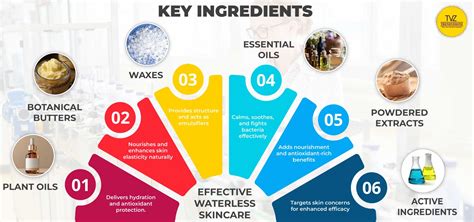
Waterless skincare brands replace water with a variety of potent ingredients, chosen based on desired performance, texture, and sourcing. Common replacements include:
- Botanical oils: Such as jojoba, rosehip, olive, and squalane, ideal for nourishment and barrier support.
- Plant butters: Like shea, mango, or cocoa, providing richer textures and deep moisturization.
- Hydrosols or aloe vera juice: Used for lighter, more hydrating formulations.
- Powders and clays: Often found in dry cleansers or masks activated with water by the consumer.
These ingredients offer distinct sensorial experiences while maintaining the goal of potency without dilution. Waterless products come in various formats, each with its own advantages:
- Powders: Excellent for travel and freshness, as they are activated on demand. Examples include powder cleansers, exfoliants, and sunscreens.
- Balms and solid moisturizers: Offer concentrated nourishment with minimal packaging. These can often be multi-use, serving as lip conditioners, dry patch treatments, or subtle highlighters.
- Oil-based serums and salves: Provide rich, concentrated benefits.
- Cleansing oils and oil-to-milk cleansers: Can also be formulated without water.
Benefits of Waterless Skincare
The advantages of incorporating waterless skincare into a routine are numerous:
- Concentration and Performance: Removing water allows for a higher concentration of active ingredients and nourishing botanicals, ensuring each application delivers maximum impact. Bases like oils, butters, and waxes provide a richer feel, strengthen the skin barrier, and lock in moisture for extended periods.
- Sustainability: By eliminating water from formulations, the overall water footprint of production is reduced. Waterless products are typically more compact, requiring less packaging and lighter shipping, thus minimizing their environmental impact.
- Reduced Need for Preservatives: The absence of water significantly lowers the risk of microbial contamination, allowing formulators to use milder, fewer, or no preservatives.
- Convenience for Travel: Solid and powder formats are ideal for travel, bypassing liquid restrictions and eliminating concerns about leaks.
- Sensorial Application Experience: Unique textures, such as powders that lather or balms that melt on contact, transform the daily skincare ritual into a moment of self-care.
- Customizable Application: Many waterless products are activated with water just before use, giving consumers control over the application strength and consistency.
How to Incorporate Waterless Products into Your Routine
Transitioning to waterless skincare does not necessitate a complete overhaul of your existing routine. You can seamlessly integrate these products:
- Polish Skin with a Customizable Powder Cleanser: Start by dispensing a powder cleanser into dry hands and mixing it with water to form a lather. Massage onto the face and neck before rinsing.
- Supercharge Your Favorite Moisturizer: Add a nutrient-rich booster powder to your preferred cream-based moisturizer for enhanced benefits.
- Melt-In Moisture with Solid Face Oils: Warm a small amount of a solid face oil on your fingertips until it softens into a silky oil, then massage it into your skin.
- Include Sun Protection with Powder SPF: Apply a powder-based sunscreen for sun protection and a mattifying finish, which is also convenient for midday touch-ups.
When choosing waterless products, it's advisable to check ingredient lists to confirm the absence of water. Look for brands that are transparent about their sourcing and packaging, prioritizing recyclable or refillable options. The quality of oils and butters used is crucial; cold-pressed, unrefined ingredients generally retain more beneficial compounds. Be cautious of formulas that rely heavily on inexpensive filler oils or waxes simply to carry the "waterless" label, as they may not provide the same efficacy.
While waterless skincare products can sometimes be more expensive upfront due to their concentrated nature, they may last longer, potentially offering an overall cost saving. Embracing waterless beauty is a step towards minimizing negative environmental effects while achieving beautiful skin.