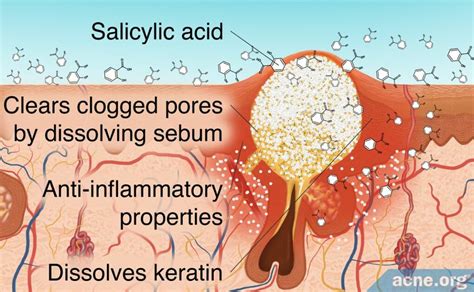
The CLn Acne Cleanser is formulated to effectively combat breakouts by eliminating blemishes and promoting a smooth, healthy complexion. This cleanser features 0.5% salicylic acid, a key ingredient designed to gently exfoliate and remove pore-clogging debris. Additionally, the CLn Acne Cleanser aids in reducing skin redness.
Understanding the Ingredients
The formulation of CLn Acne Cleanser relies on several key ingredients, each contributing to its efficacy:
Water (H2O)
Water, or H2O, is the most prevalent ingredient in skincare products. The water used in cosmetic formulations is purified and deionized, meaning most mineral ions have been removed. It serves as a primary solvent and a common cleansing agent.
Sodium Laureth Sulfate (SLES)
Often confused with Sodium Lauryl Sulfate (SLS), SLES is a milder surfactant. Its larger water-soluble head group makes it less irritating than SLS. While generally considered safe in cosmetic concentrations, individuals seeking an exceptionally mild facial cleanser might prefer formulas without SLES. SLES is widely used in various cleansing products, including face and body washes, shampoos, and bubble baths, primarily for its excellent foaming capabilities and its ability to stabilize bubbles. It is also valued for its mildness and compatibility with other cleansing agents and surfactants. Chemically, it is related to Cocamide DEA and shares similar properties.
Cocamidopropyl Betaine
This ingredient is a highly effective co-surfactant and foam stabilizer, contributing significantly to the product's lather. It is known for its mildness and its ability to work synergistically with other cleansing agents.
Propanediol
Propanediol is recognized as a natural alternative to propylene glycol. It functions as a humectant and solvent, enhancing the product's texture and efficacy.
EDTA
Ethylenediaminetetraacetic acid (EDTA) acts as a chelating agent. It helps to stabilize the product by neutralizing metal ions that can be introduced from water, preventing undesirable changes in the formula over time.
Sodium Hydroxide
Also known as lye, sodium hydroxide is a strong alkali used in small amounts to adjust and maintain the product's pH level. Achieving the correct pH is particularly crucial for exfoliating ingredients like AHAs and BHAs to ensure their optimal performance and safety. The use of lye in cosmetic formulation is a long-standing practice, historically used in soap making.
Salicylic Acid
Considered a gold standard for treating problem skin, salicylic acid is a beta-hydroxy acid (BHA). It is oil-soluble, allowing it to penetrate pores and exfoliate from within, effectively addressing acne and blemishes.