While medical therapy can address the underlying physical aspects of rosacea, makeup can help instantly improve the look of your skin and boost your self-confidence about your appearance. Achieving a clear complexion with rosacea often involves a combination of careful skincare and strategic makeup application. This guide will explore effective color-correcting techniques to help neutralize redness and create a balanced canvas.
Preparing Your Skin for Makeup
Before applying any makeup, it's crucial to start with a clean and well-moisturized base. Always cleanse and moisturize your face with skin-care products appropriate for your skin type.
Key principles for gentle skin preparation:
- Treat skin gently, never rubbing or pulling with your fingers, makeup sponges, or even a washcloth or towel, as this may cause irritation.
- Keep your routine simple. The more ingredients and products you apply to your skin, the higher the likelihood that an ingredient or product may aggravate it.
- Consider using multi-function products, such as a green-tinted base that also contains sunscreen.
- Always test a new product in a peripheral area-your neck or arm-before using it on your face to ensure your skin doesn't react negatively.
Understanding Color Theory for Redness
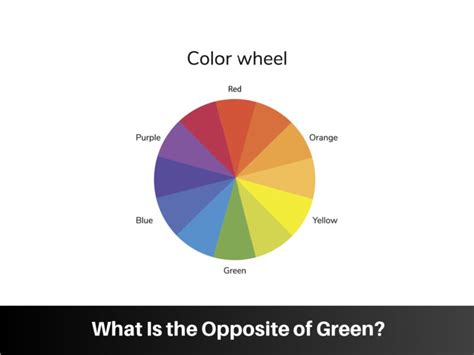
The core principle behind color correcting redness lies in color theory. Green is the opposite color to red on the color wheel. This means that when green is applied over red tones, they visually neutralize each other. This concept is fundamental to achieving a balanced skin tone when dealing with rosacea.
A sheer green-tinted primer or foundation is an excellent choice for a makeup base. It can help visually correct redness and even out skin tone. Opt for products with UVA/UVB protection to shield skin from sun exposure, which can aggravate rosacea.
Choosing the Right Makeup Products
Selecting the correct makeup formulations is vital for managing rosacea-prone skin. Look for products that are specifically designed to be gentle and non-irritating.
Foundation and Concealer
- Choose oil-free foundation and concealer that offer the level of coverage you need, from sheer to full.
- For both foundation and concealer, select your shade carefully to ensure a seamless blend with your natural skin tone.
Mineral Makeup
Mineral makeup is often a good choice for skin with rosacea, as it typically doesn't contain potentially irritating ingredients. There are also innovative mineral powder formulas specifically formulated to color-correct redness.
Blush
Mineral powder blushers are available, but since skin with rosacea already tends to have a lot of color, it's advisable to go easy on cheek color if you use it at all.
Eye and Lip Makeup
- Opt for extra-gentle eye makeup. Eyes are sensitive, and if yours show signs of ocular rosacea, it's especially important to treat the eye-area skin gently. Select products designed for sensitive eyes that have been ophthalmologist-tested. Fragrance-free formulas may be ideal.
- Mascara and eyeliner should be easy to apply and remove without pulling or tugging on the eyes. Look for mascara formulas that can be gently removed by rinsing with warm water.
- Mineral powder eye shadow may be the perfect choice for eyes susceptible to rosacea symptoms.
- Go for neutral lips. Lips will shine in neutral shades close to your natural lip color.
Applying Color Correcting Makeup
The application technique is as important as the products themselves. A light touch and targeted application are key to a natural-looking result.
Applying Foundation
Use a light touch when applying foundation. Consider using an antibacterial foundation brush to apply it rather than a sponge (too harsh for skin) or your fingertips (can add unnecessary oil to the face).
For brush application:
- Start by applying a small amount of liquid foundation to the back of your hand.
- Dab with the brush and smooth over your face, starting in the center and blending outward.
- For cream or powder foundation, sweep the brush across the surface of the compact and apply to your face.
- Use broad strokes for large areas of the face: cheeks, forehead, and chin.
- Use the edge of the brush to reach narrow areas: nose, mouth, eyes, and hairline.
- Blend well.
Applying Concealer
Use an antibacterial concealer brush to lightly dot concealer under your eyes, starting at the inner corner and working outward. Blend well for a seamless look.
Cover-Corrective Makeup
Especially for those with moderate to severe rosacea, cover-corrective cosmetics may be an appropriate option. These products are formulated to provide higher coverage and effectively neutralize discoloration.
Step-by-Step Guide to Green Color Corrector Application
Green color corrector is your go-to for canceling out unwanted redness before you reach for your concealer or foundation. It works by neutralizing red tones, creating a balanced canvas.
Step 1: Prep Your Skin
Before applying any makeup, ensure your skin is clean, hydrated, and primed. Cleansing removes excess oil, a gel moisturizer keeps skin smooth and hydrated, sunscreen protects, and a makeup primer provides a base for makeup to adhere to. This ensures better blending and longer wear.
Step 2: Apply Your Green Color Corrector
This is a step of targeted application, not a full-face application. Using a small concealer brush or even your fingertip, dab a tiny amount of green color corrector directly onto the red areas. The key is to dab gently, not swipe or smear, to blend the product into your skin without disturbing it.
Step 3: Layer Your Concealer and Foundation
Once the green corrector appears toned down and lightly blended, allow it to dry for about 30 seconds. Then, layer your regular concealer and foundation over the corrected areas. This unifies your skin tone and creates a polished finish. The goal is to tap and blend gently so as not to disturb the color correction underneath.
Step 4: Finish Your Makeup Look
To set your makeup and ensure longevity, lightly dust with setting powder for a matte finish. A setting spray can add a dewy boost and help your makeup look fresh throughout the day.
How To Use Red And Green Color Correctors #shorts #oddlysatisfying #makeupshorts
Common Mistakes to Avoid
Even experienced makeup users can make mistakes when color correcting. Be mindful of these common pitfalls:
- Using too much product: A little green corrector goes a long way. Excessive use can lead to a noticeable green hue on the skin.
- Insufficient blending: If not blended properly, green patches can be visible through your foundation.
- Applying to non-red areas: Only use green concealer on areas with redness.
- Skipping foundation: Green corrector is meant to be a base layer and should be covered by foundation for a natural finish.
Expert Tips for Using Green Color Corrector
- Go sheer if you're nervous: Mix a tiny bit of green corrector with a drop of face moisturizer for a more natural, diffused effect.
- Layering technique: Apply a small amount, blend, and assess. Add more only if needed.
- Targeted application: For specific redness like blemishes or breakouts, use a concealer brush for precision.
- Consider undertones: A green color corrector with yellow undertones can help neutralize redness without appearing ashy, grey, or purple.
When to Use Which Color Corrector
While green is ideal for redness, other colors serve different purposes:
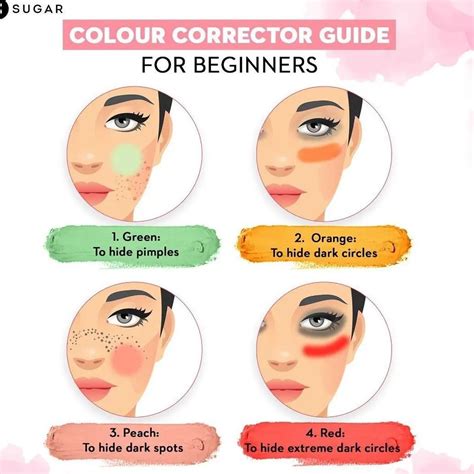
- Green: For pronounced redness such as blemishes, rosacea, or sunburn.
- Peach or Orange: For dark under-eye circles or hyperpigmentation on warmer skin tones, to counteract blue and purple undertones.
- Yellow: For dullness and purple-toned discoloration like bruising.
- Pink: For yellow undertones in fair skin to add brightness and soften yellow tones.
Understanding your skin's specific concerns is the first step to color correcting like a pro. If red is the problem, green is often the fix.
Personal Experiences and Product Recommendations
Some individuals with rosacea find that wearing masks has exacerbated their condition, leading to more frequent and intense flare-ups. For these individuals, strategic makeup application becomes even more crucial.
When applying regular makeup over a rosacea flare-up, the trick is to use a base color that neutralizes the redness. Sheer neutral greens are effective without appearing unnatural.
Formulas with light-diffusing technology, such as interference pigments, can help optically blur the skin, refining texture and creating a smoother appearance.
Recommended products include:
- Ben Nye Color Correcting Palette
- e.l.f. Camo Color Corrector
- Erborian CC Red Correct
- Dr. Jart+ Cicapair Tiger Grass Color Correcting Treatment SPF 30
- Typology T33 Color Corrector for Redness
These products offer various formulas, from primers and CC creams to foundations, catering to different needs and preferences.
tags: #rosacea #color #correcting