Understanding Lichen Nitidus
Lichen nitidus is a rare skin condition characterized by clusters of small, raised bumps on the skin. These bumps appear spontaneously without an obvious cause and are not contagious. While the clusters of bumps usually do not cause pain, they may itch. Since the bumps can appear on the face, individuals may experience embarrassment or discomfort regarding their skin's appearance. Lichen nitidus typically resolves on its own over time, though some treatments can help speed up recovery.
Key Symptoms of Lichen Nitidus
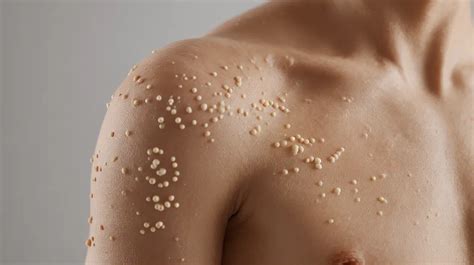
- Appearance: The bumps are very small, seldom larger than the size of a pinhead. They are round and flat-topped, and generally close to the color of the skin. The bumps feel solid and are not filled with fluid. On individuals with dark skin, the bumps may appear lighter than the surrounding skin, while on those with light skin, they might have a dark or reddish tint.
- Location: The most common areas for lichen nitidus eruptions are the chest, abdomen, arms, buttocks, and genitals. In rare cases, they may appear on the palms, soles of the feet, or fingernails. Lichen nitidus can clear up in one area of the body and then appear in another. Clusters of bumps may also emerge on the skin following minor injuries like scratches, or in areas of pressure, skin creases (e.g., elbow or wrist), or skin folds (e.g., abdomen).
- Discomfort: Typically, there is no discomfort associated with lichen nitidus. However, some individuals experience itching, which can range from mild to intense. If lichen nitidus affects the fingernails, it can lead to deep ridges that eventually grow out.
Causes and Risk Factors for Lichen Nitidus
The exact cause of lichen nitidus is unknown. It is considered an inflammatory reaction, but the specific trigger is unclear. Some experts suggest a possible connection to an underlying immune condition in certain individuals, although definitive research is lacking. Occasionally, people with lichen nitidus may have other conditions such as vitiligo, atopic dermatitis, or erythema nodosum, but there is no confirmed link between these conditions. Lichen nitidus is more common in children and young adults but can occur at any age. It affects men and boys more often than women and girls and is slightly more prevalent among Black individuals in the US. Importantly, lichen nitidus is not infectious, meaning there is no risk of transmitting it to others, nor does it increase the risk of other skin conditions like skin cancer.
Diagnosis and Treatment of Lichen Nitidus
If you suspect you have lichen nitidus, consulting a doctor for a confirmed diagnosis is recommended. The doctor will perform an examination, ask about your health history, and may take a biopsy of the bumps to rule out other skin conditions. Lichen nitidus typically resolves without treatment within several months to a year, leaving no scars or lasting damage. If itching, discomfort, or the appearance of the bumps is bothersome, treatment options can help expedite the process. These may include:
- Corticosteroids: Over-the-counter steroid creams can help with itching, and prescription-strength creams or oral steroids may be obtained from a doctor to reduce inflammation and minimize the appearance of bumps.
- Retinoid creams: These creams, commonly used for conditions like acne and psoriasis, can speed up skin cell turnover and improve skin appearance, potentially reducing lichen nitidus outbreaks.
- Antihistamines: These can help alleviate itching or discomfort associated with lichen nitidus.
- Phototherapy: Exposure to UVA or UVB light therapy, administered by a doctor, can be beneficial for lichen nitidus and other skin conditions by accelerating cell turnover. It is safe for all ages, but limiting sun exposure post-treatment is advised. A complete course of treatment typically requires multiple visits to the doctor's office.
Understanding Keratosis Pilaris
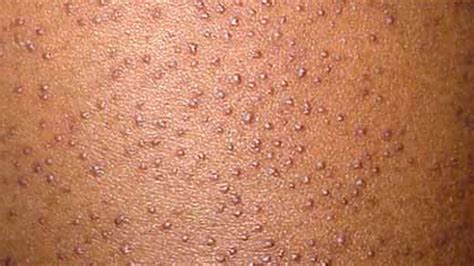
Keratosis pilaris, often referred to as "chicken skin," is a common, harmless skin condition that causes patches of dry, rough-feeling bumps. It is also known as follicular keratosis and is a hereditary skin disorder presenting as goosebump-like lesions, typically on the back of the arms, thighs, cheeks, or buttocks. These patches of bumps can become dry and itchy, especially during winter. Keratosis pilaris can occur at any age, is more common in young children, and has no known method of prevention due to its hereditary nature. While it cannot be cured, it can be managed with moisturizers and prescription creams to improve the skin's appearance.
Causes and Symptoms of Keratosis Pilaris
Keratosis pilaris results from a buildup of keratin, a hard protein that protects the skin from harmful substances and infection. The exact reason for this keratin buildup in individuals with keratosis pilaris is not fully understood. It may be associated with genetic conditions or other skin disorders like atopic dermatitis. The condition is considered a common variant of skin. Symptoms often include dry, rough patches and tiny bumps that can be skin-colored, red, or brown. These bumps are usually found on the extensor surfaces of the upper arms and thighs, though they can also appear on cheeks and buttocks. The skin may feel rough and dry, and occasional itching can occur. Keratosis pilaris typically begins in childhood and becomes more apparent during adolescence and adulthood, affecting a significant percentage of teenagers and adults. The Latin terms "keratosis" (scaly skin) and "pilaris" (hair) describe the condition's nature. While there is no cure, it often improves during adulthood, partly due to better skin management practices.
Lichen Spinulosus: A Variant of Keratosis Pilaris
Lichen spinulosus is considered a variant of keratosis pilaris, a common condition affecting hair follicles. It is sometimes referred to as "keratosis spinulosa," and both conditions involve keratin accumulation. In keratosis pilaris, dead skin cells clog follicles, leading to bumps (keratin plugs) that can be brown, red, or white. These bumps commonly appear on the arms, thighs, or buttocks in adults and on the cheeks of children. Lichen spinulosus, however, does not typically occur on the face.
Comparing Lichen Spinulosus, Lichen Nitidus, and Keratosis Pilaris
While all three are skin conditions causing bumps, they have distinct characteristics:
Lichen Spinulosus vs. Lichen Nitidus
Both lichen spinulosus and lichen nitidus manifest as bumps on the skin. In lichen nitidus, the bumps are typically round or flat-topped and may be shiny or scaly, often appearing as discrete bumps. In contrast, lichen spinulosus causes bumps that form in clusters. A key differentiator for lichen spinulosus is the presence of a small spine or horn at the center of each bump, formed by keratin collecting in hair follicles. Lichen nitidus bumps are very small, often pinhead-sized, round, and flat-topped, and usually close to skin color.
Lichen Spinulosus vs. Keratosis Pilaris
As mentioned, lichen spinulosus is a variant of keratosis pilaris. Both involve keratin buildup. Keratosis pilaris causes bumps from clogged follicles due to dead skin cells, which can be various colors and appear on arms, thighs, cheeks, and buttocks. Lichen spinulosus, while also related to keratin and hair follicles, is characterized by spiny papules that cluster and typically does not affect the face. Keratosis pilaris is significantly more common than lichen spinulosus.
Lichen nitidus: overview, causes, features, histology and management
In summary, while lichen spinulosus, lichen nitidus, and keratosis pilaris all present with bumps on the skin, their appearance, distribution, and underlying causes differ. Keratosis pilaris is a very common condition of keratin buildup causing rough patches. Lichen nitidus is a rarer condition with discrete, small, flat-topped bumps. Lichen spinulosus, a variant of keratosis pilaris, is characterized by spiny papules that form in clusters.