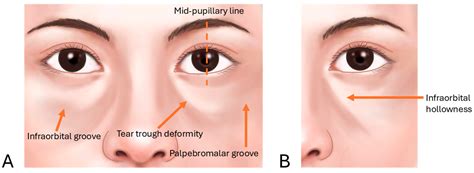
The tear trough refers to the area situated between your lower eyelid and your cheek. As individuals age, a common concern is the loss of volume in this specific region. This depletion can lead to the appearance of dark circles and hollows beneath the eyes, creating a tired or aged look.
Fortunately, this is a treatable concern. Tear trough fillers, specifically dermal fillers administered at clinics in Birmingham, offer a quick and effective solution to restore lost volume, diminish dark circles, and reduce the appearance of fine lines and wrinkles. The dermal fillers work by hydrating the skin from within and boosting collagen production.
Understanding Tear Trough Fillers
What are Tear Trough Fillers?
Tear trough fillers are a popular non-surgical cosmetic treatment designed to address common under-eye concerns. These include dark circles, hollows, puffiness, and a generally tired-looking appearance. The treatment involves strategically placing hyaluronic acid-based dermal fillers to replace lost volume, thereby improving under-eye shadows and skin laxity.
The skin beneath the eyes is notably delicate, with a complex network of important nerves and arteries. Therefore, it is imperative to choose a suitably medically qualified and experienced practitioner for tear trough filler treatments.
How Do Tear Trough Fillers Work?
The leading dermal fillers used by most UK practitioners are hyaluronic acid-based products. Hyaluronic acid is a naturally occurring substance in the body, making adverse reactions unlikely. When injected into the skin, the filler plumps out wrinkles and lines, instantly filling hollows and adding volume and shape where needed.
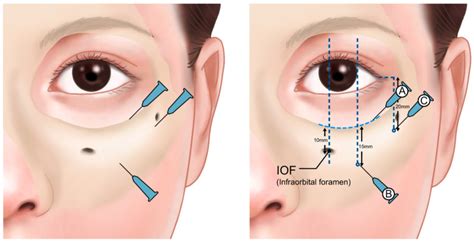
Tear troughs are notoriously difficult to treat in a natural, subtle way. The filler is injected above the bone but below the muscle, carefully navigating the intricate network of arteries and veins in the area. It is crucial that your practitioner is medically qualified and experienced.
What Are Tear Trough Fillers Used to Treat?
Hyaluronic acid-based fillers can be used on all adults to address:
- Loss of volume under the eyes
- Dark circles
- Crepey skin
- Sunken eyes
- The groove between the lower eyelid and upper cheek
However, tear trough fillers may not be ideal for everyone. Individuals with large (herniated) eye bags, excessively loose skin (festoons), or puffy/swollen eyes might not be suitable candidates.
Safety and Qualifications
Are Tear Trough Fillers Safe?
Yes, tear trough filler is considered safe when administered by experienced professionals. Clinics adhere to strict safety standards to ensure optimal results and minimise risks.
All treatments carry a degree of risk, and doing nothing is always the safest option compared to cosmetic treatments. However, the risks associated with tear trough filler treatment are rare. Practitioners aim to be comprehensive when informing patients of risks so they can make a fully informed choice.
Who Can Administer Tear Trough Fillers?
It is vital to choose a medically qualified and experienced practitioner for tear trough filler treatments. Ideally, your practitioner should also be able to prescribe medication, which is necessary in the unlikely event that you should need or want your dermal fillers dissolved.
At sk:n, every client seeking injectable treatments with dermal fillers is given an in-depth consultation that examines motivation and expectations. The clinics maintain the highest level of regulation in the industry, exceeding all recommended guidelines and requirements. Treatments are carried out by highly qualified doctors or nurses.
Similarly, cosmetic doctor-run services ensure that all procedures are performed with a deep understanding of anatomy, physiology, and safety protocols, minimising risks and complications. By conducting a bespoke assessment, skilled medical doctors identify unique facial characteristics and concerns.

The Treatment Process
Preparation for Tear Trough Fillers
In the week before the treatment, it is advisable to avoid taking aspirin, ibuprofen, vitamin E, and fish oil supplements, as these may increase bleeding and bruising. Paracetamol can be taken if needed.
What Happens During a Tear Trough Filler Treatment?
The treatment process typically involves several key steps:
Step One: Consultation and Consent
A thorough consultation is essential. This includes discussing your concerned areas, expectations, potential side effects, and the treatment process. It is important to understand that while dermal fillers are not prescription-only medicines, the medication needed to dissolve them (hyaluronidase) is. Therefore, it is advisable to only allow medically qualified practitioners to carry out filler treatments.
Step Two: The Tear Trough Treatment
Your treatment will take approximately 30 to 60 minutes. Initially, an anaesthetic will be administered to ensure your comfort. Many dermal filler products come with added lidocaine, which provides instant relief from pain upon injection. You may also be offered a topical numbing cream or a local anaesthetic.
The procedure involves injecting a low-density dermal filler into the tear trough area. Before the treatment, local anaesthetic cream is applied to the under-eyes, ensuring minimal discomfort during this minimally invasive approach.
A handful of skin injections will be made, and the filler will be massaged to ensure it is distributed evenly. The whole treatment for the fillers takes just a few minutes. Often, tear trough filler is applied via a cannula - a long, flexible tube that allows the filler to be distributed to multiple delicate areas without repeated injections.
Tear Trough Filler using Cannula Technique
Step Three: The Check-Up
It is good practice for your practitioner to offer a free check-up, typically two weeks after your treatment. This allows them to ensure the administered dose was appropriate for the agreed outcome and that you are happy with your treatment.
Step Four: Repeat Treatment
Depending on how quickly you metabolise the filler and the specific product used, you will likely require a repeat treatment 9-12 months after your initial treatment. Your practitioner will advise on when you may need a repeat session.
What Happens After Tear Trough Fillers Treatment?
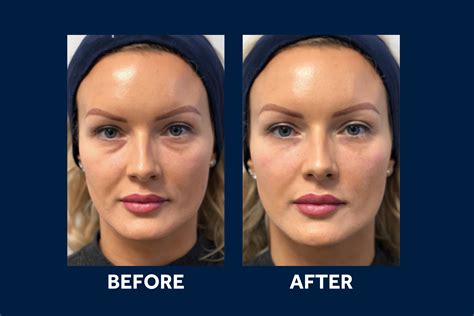
After your treatment, you can usually go about your normal day. You will likely experience some swelling, but results are often immediate. The best results become visible 2-3 days after your treatment when any initial swelling has subsided and the filler has fully settled.
Post-treatment advice may include:
- Iced water soaks or ice packs to help reduce swelling.
- The use of painkillers such as paracetamol, if required for a few days after treatment.
- Arnica (a homeopathic remedy) cream or tablets are sometimes recommended a few days before and after treatment, as there is some evidence that this can reduce bruising.
Any bruising and swelling should subside after a couple of days. If you continue to experience very painful swelling and bruising, or if any blistering occurs, you should contact your practitioner immediately. Any visual disturbance should also be reported immediately.
There are no real restrictions following tear trough fillers - you can typically go back to work or your normal routine immediately after treatment. However, it is advised not to expose the area to intense heat for 24 hours after treatment (e.g., direct sunlight or sunbeds).
Results and Longevity
How Long Do Tear Trough Fillers Last?
On average, tear trough fillers last around a year. However, the results typically last between six months to a year, depending on individual factors such as your metabolism, lifestyle, and the specific product used. Some sources suggest longevity can range from 12-18 months, and even up to 12-24 months with some products.
Over time, dermal fillers will naturally metabolise, and your features will return to their original appearance. Non-permanent treatments are advantageous as they allow cosmetic doctors to maintain facial harmony as a patient's face changes over time.
Will I Look Dramatically Different?
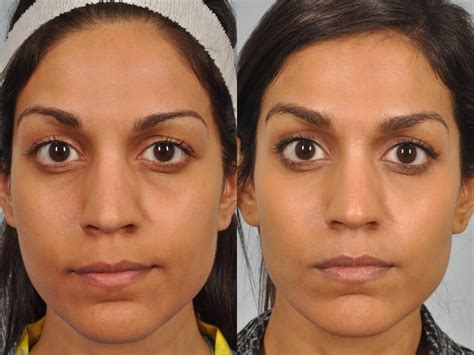
No, you will not look dramatically different after treatment. Practitioners work like artists, using the natural contours of your face for guidance, and your normal facial expressions will remain unaffected. The goal is to achieve optimum, natural-looking results.
The results of the treatment typically last between six months to a year, depending on individual factors and the specific product used. The results are immediately noticeable but will continue to improve over the next 8 weeks as the filler naturally integrates and settles into the tissues.
Cost and Considerations
How Much Do Tear Trough Fillers Usually Cost?
Tear trough fillers are usually priced by the syringe, with a single 1ml treatment often starting from around £390, depending on the area being treated and the specific clinic. Costs can vary based on the type of dermal filler, the area of the face being filled, the degree of filling required, and the expertise of the practitioner.
What is in Tear Trough Fillers?
Clinics use the highest grade filler solutions, which are administered at varying levels of thickness depending on the area being treated, in order to achieve the best possible results. The most trusted semi-permanent fillers on the market, such as Juvederm and Restylane, are commonly used. These are all hyaluronic acid-based fillers.
What if I Don’t Like the Results?
During your consultation, a great amount of time is spent discussing your expectations. Since only trained medical practitioners administer tear trough fillers, there shouldn’t be any surprise or shock results following treatment. Furthermore, hyaluronic acid-based fillers have the advantage of being reversible. In the rare situation where a patient is not content with the treatment, a small injection of Hyalase (hyaluronidase) can be used to quickly dissolve the implant.
Can You Treat Crow’s Feet with Tear Trough Fillers?
If you have concerns about crow’s feet, this area may be best treated with anti-ageing injectables like Botox. However, Botox and tear trough filler treatments can make an amazing anti-ageing duo.
Do You Offer Permanent Tear Trough Fillers?
Tear trough fillers are typically non-permanent. This is advantageous as it allows for adjustments as the face changes over time. Permanent implanted materials may not look as harmonious in later years.
Potential Side Effects and Risks
What are the Side Effects and Risks of Tear Trough Fillers?
While generally safe, all medical procedures carry risks. Potential side effects and risks associated with tear trough fillers include:
- Bruising, tenderness, redness, and swelling: These are the most common side effects and usually disappear within 2-3 days.
- Bleeding: Slight bleeding may occur after the needle is inserted.
- 'Bleb': This occurs if the filler is injected too superficially and may need to be dissolved.
- Allergic reactions: Rarely, allergic-type reactions can occur, including prolonged redness, swelling, itching, hardness, and bumps. These are usually temporary but can sometimes last for months.
- Occlusions: This is a rare but serious complication where filler is accidentally injected into a blood vessel, causing a blockage. Symptoms include whitening of the skin, followed by a greyish-purple discolouration, which can lead to tissue loss if untreated.
- Ocular Occlusion: A specific type of occlusion where a blood vessel supplying the eye gets blocked, potentially resulting in partial or complete blindness. Any symptoms of occlusion require immediate medical attention.
- Infection: Injections should be avoided in areas with active infections.
- Cold sore outbreak: If you have a history of cold sores, filler injections may trigger an outbreak. Anti-viral medication may be recommended beforehand.
- Lumps: Mild lumps in treated areas can occur but are usually temporary.
It is crucial to seek immediate advice from your practitioner or visit an accident and emergency department if you exhibit any symptoms of occlusion.
Dermal fillers have not been tested on pregnant women, and no medically qualified practitioner would carry out a filler treatment on a pregnant woman.

Birmingham Clinics and Practitioners
For those seeking non-surgical tear trough filler treatments in Birmingham, several clinics and practitioners are available. Dr Majid Shah clinic is mentioned as a notable option. Ihya House of Aesthetics in Edgbaston, Birmingham, also offers advanced tear trough filler treatments, using premium-quality hyaluronic acid-based dermal fillers.
Clinics like sk:n emphasize their high standards of regulation and qualified medical professionals. Glowday.com is a platform where practitioners are verified, allowing users to book tear trough fillers in Birmingham with confidence.
Practitioners focus on precision, using small amounts of filler and strategic placement to address specific needs and achieve a naturally harmonious outcome. Many clients choose to combine tear trough dermal fillers with other treatments, such as lip fillers and anti-ageing injectables, with experts designing bespoke treatment plans.
tags: #tear #trough #filler #birmingham