Wearing sunscreen is fundamental health advice, akin to consuming fruits and vegetables. However, standard sunscreens, typically white or cream-colored, may omit a crucial benefit, according to Dr. Jenna Lester, an associate professor of dermatology at the University of California, San Francisco. In recent years, research has increasingly focused on hyperpigmentation, characterized by dark spots or patches, and melasma, which presents as brown or bluish-gray patches on the skin. These conditions disproportionately affect individuals with darker skin tones.
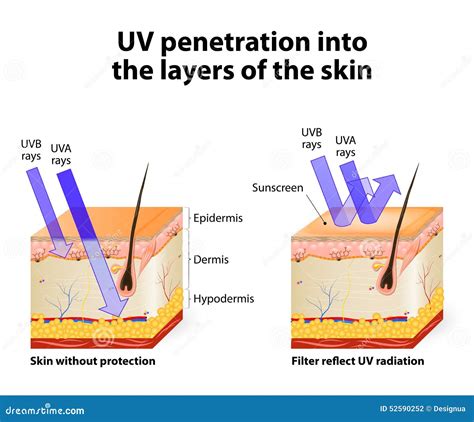
Dr. Adam Friedman, Professor and Chair of Dermatology at George Washington University, notes that hyperpigmentation and melasma are not solely caused by ultraviolet (UV) radiation. Evidence indicates that visible light radiation, which penetrates the skin more deeply than UV rays, can contribute to these conditions. Visible light has also been shown to cause erythema, or skin reddening, in lighter skin tones. A significant limitation of most sunscreen products is their lack of protection against visible light radiation.
Dr. Lester points out that the dermatology field's understandable focus on skin cancer sometimes overlooks individuals of color, as they are less likely to develop it. While hyperpigmentation and melasma do not pose health risks, Dr. Friedman emphasizes that their "psychosocial emotional impact" should not be underestimated. Tinted sunscreens, which contain pigments designed to match various skin tones, offer protection against visible light radiation.
A review of research on tinted sunscreens, published in the journal Photodermatology, Photoimmunology & Photomedicine, found that these products are more effective than non-tinted ones in protecting against visible light damage. The study revealed that while over 90% of dermatology providers counsel patients on visible light protection, only about 10% make evidence-based recommendations. Researchers, including Dr. Friedman, advocate for more research and standardized guidelines for visible light protection. Additionally, they highlight the need for a wider range of product options, as some providers noted that the lack of suitable tints hinders patient adoption of tinted sunscreens.
Understanding Hyperpigmentation and Melasma
Dark spots on the skin do not appear spontaneously. They often originate from inflammatory skin conditions, most commonly acne, or from insect bites or scratches. Dr. Friedman explains that the body's inflammatory response, intended for healing, can also damage pigment cells in the skin, known as melanocytes. These pigment cells are contained in packets called melanosomes. In darker skin, these packets are larger, more distributed, and can make darker skin tones more susceptible to hyperpigmentation.
Beyond the inflammatory process linked to visible light radiation, other factors can cause skin spots. For instance, age spots, also called solar lentigo, develop over time due to sun exposure and are believed to result from ultraviolet radiation. Another benign skin growth, seborrheic keratoses, is not related to light radiation at all. Some definitions of hyperpigmentation encompass these and other conditions not associated with visible light, and the scientific understanding of visible light radiation is still evolving.
While individuals with lighter skin are not immune to post-inflammatory hyperpigmentation, Dr. Friedman notes that for those with darker skin, acne combined with sun exposure creates a "recipe for longer lasting and more noticeable dark spots." Melasma, on the other hand, is less understood by dermatologists. It is an active inflammatory condition rather than a residual mark. Hormones play a role in melasma, and sun exposure aggravates it, according to Dr. Friedman.
Visible Light Protection: What to Look For
Active ingredients listed on sunscreen or sun-protective moisturizer labels are primarily responsible for protecting the skin from UVA and UVB radiation. To determine if a product also blocks visible light radiation, one must examine the ingredient list further down.
Both Dr. Lester and Dr. Friedman agree that **iron oxide** is the key ingredient for visible light protection. Iron oxide provides tinted sunscreens with their color and is also commonly used in concealers and foundations to create a skin-like hue. Dr. Friedman suggests that "any tinted mineral sunscreen likely will filter out visible light."
Determining the optimal concentration of iron oxide is challenging, as it is not listed as an active ingredient. Dr. Lester explains that "the trouble is that we don't really know what concentration is in there because it's still not listed as an active ingredient." For most brands, the exact amount is proprietary. However, Dr. Lester estimates that around 3% iron oxide likely offers the best protection. She also advises that white or off-white sunscreens probably do not contain sufficient levels of iron oxide for adequate visible light protection. To some extent, visual assessment can be helpful, given that we are discussing visible light. Dr. Friedman adds that **tinted titanium dioxide** is also effective at scattering visible light, although a "transparent" version of titanium dioxide exists.
Dr. Friedman cautions against sunscreens marketed as "ultra-sheer or ultrafine." These products contain nanoparticles of zinc oxide and titanium dioxide, which block UV radiation but are too small to scatter visible light. Dr. Lester mentions that some evidence suggests antioxidants like **vitamin C** may also offer protection against visible light.
Matching Your Skin Tone with Tinted Sunscreens
Initially, tinted sunscreens were developed to blend with skin tones and provide cosmetic coverage rather than visible light protection. They are now better at matching darker skin tones, according to Dr. Friedman. Dr. Lester notes that users often report "ghostly or ashy looks" with mineral-based sunscreens like zinc and titanium. Tinted sunscreens containing iron oxide help mitigate this issue, but they do not yet encompass the full diversity of dark skin tones.
Dr. Lester points out that tinted sunscreen products suitable for darker skin tones have only become widely available in recent years, similar to the evolution of Band-Aid shades. She expresses a desire for companies to develop "even more deeply tinted sunscreen" options.
If a perfect shade match is not found, Dr. Lester suggests using a foundation containing iron oxide. Applying a non-tinted sunscreen first, followed by the foundation, can provide some protection against visible light. Dr. Friedman encourages patients to wear tinted sunscreen to prevent hyperpigmentation, even if a perfect color match is elusive. He states, "Given how disabling dark spots are to, I would say, every single patient that has them, it's a different mindset with respect to why you would use it versus not."
Key Information on Sun Protection
The primary cause of most skin cancer cases is exposure to ultraviolet (UV) radiation, estimated to be responsible for 80%-90% of all cases. Consequently, sunscreen use, which effectively blocks harmful UV radiation, is a critical preventive measure against skin cancers, sunburns, and premature skin aging. Numerous studies have demonstrated that regular sunscreen application significantly reduces the incidence of both melanoma and nonmelanoma skin cancers.
Sunscreens are formulated with special ingredients that protect the skin from sun damage by blocking UV radiation, including UVA1, UVA2, and UVB. These formulations create a barrier on the skin, preventing harmful rays from reaching skin cells and causing damage.
Beyond reducing the risk of skin cancer, sunscreens help prevent other signs of sun damage, such as wrinkles, telangiectasias (visible blood vessels), and pigmentary alterations (changes in skin color). Consistent use of sunscreens has been shown to protect the skin from the detrimental effects of ultraviolet radiation.
Daily application of sunscreen is crucial, even on cloudy days, as up to 80% of harmful UV rays can penetrate clouds. Sunscreen should be applied to dry skin 15 minutes before outdoor exposure, including areas like the tops of the feet, neck, ears, and the top of the head. Reapplication every two hours, or after swimming or sweating, is necessary.
What is Sun Protection Factor (SPF)?
The effectiveness of sunscreen relies on two key factors: Sun Protection Factor (SPF) and substantivity, which is the ability to continue providing protection even after the sunscreen is removed. SPF specifically measures the level of protection against UVB rays, the primary cause of sunburns. Theoretically, higher SPF values indicate greater protection against sunlight compared to lower SPF values.
SPF is determined by calculating the ratio of UV radiation needed to cause sunburn on protected skin (with sunscreen applied) to the amount needed to cause sunburn on unprotected skin under identical conditions. This ratio forms the basis for the SPF value of a sunscreen product.
The American Academy of Dermatology recommends using a broad-spectrum SPF of at least 30. Broad-spectrum sunscreens protect against both UVA and UVB rays. Additional protective measures include seeking shade during peak sun hours (10 am-2 pm), wearing sun-protective clothing (long-sleeved shirts, pants, wide-brimmed hats), and using sunglasses with UV protection. Tanning beds should be avoided due to their contribution to skin cancer and premature aging; self-tanning products can be used as an alternative in conjunction with sunscreen.
Tinted Sunscreen: A Multi-Purpose Solution
Regular sunscreens do not offer protection against visible light (VL), which can lead to skin redness and pigmentation. However, tinted sunscreens are available that specifically protect against VL and provide a subtle skin tint. These tinted sunscreens combine iron oxide and titanium dioxide pigments, acting as both VL and UV blockers. Iron oxide pigments come in various colors, including yellow, red, and black, with yellow iron oxide being particularly effective against VL-induced pigmentation.
By incorporating these pigments, tinted sunscreens significantly reduce the penetration of VL into the skin, offering a high level of VL transmission reduction, typically ranging from 93% to 98%.
Tinted sunscreens serve a dual purpose in facial cosmetic products. Firstly, they help conceal existing pigmentary blemishes, making them an excellent option for individuals with acne-prone skin. Secondly, they help reduce the development of further pigmentation caused by sun exposure. Foundations, available in various shades and finishes, offer personalized daily protection that extends beyond blocking UV rays, catering to diverse skin tones and types.
Foundations containing iron oxide not only even out skin tone and conceal imperfections but have also been shown to provide protection against blue light. Blue light, emitted from electronic devices like smartphones and computers, is known to accelerate the aging process and cause hyperpigmentation. Using these foundations offers both cosmetic benefits, such as a smoother complexion, and the advantage of shielding skin from potential blue light damage.
These products are available in various shades and tones, allowing for personalized daily protection that goes beyond just blocking UV rays, accommodating different skin types.
How SUNSCREEN Works: Blocking UV Light
Choosing the Right Shade
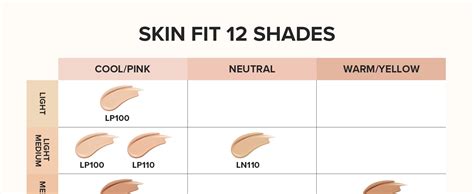
When selecting a tinted sunscreen, choosing the correct shade according to one's skin tone and undertone is essential. Skin tone refers to the visible color of the skin, ranging from fair to deep. Undertone, on the other hand, is the underlying hue (warm, cool, or neutral) that influences the overall appearance of the skin and remains consistent regardless of sun exposure.
While some tinted sunscreens claim to have a "universal tint," they may not be suitable for individuals with very fair or deep skin tones. The challenges faced by individuals with darker skin tones in finding suitable shades may stem from an inadequate understanding of dark complexions and undertones, as well as historical underrepresentation in dermatological research.
Methods for consumers to find their tone vary. Some companies offer tone-matching tools, allowing users to input information about their current makeup products. Visiting a cosmetic store and consulting with a professional can also provide assistance.
Recommended Tinted Sunscreen Options
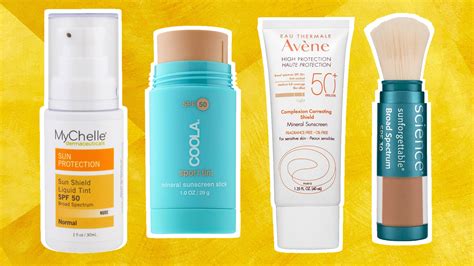
Several tinted sunscreen options are recognized for their ability to blend sun protection with cosmetic benefits. These include:
- Supergoop CC Screen 100% Mineral CC Cream SPF 50
- Drunk Elephant Umbra Tinte Physical Daily Defense SPF 30
- MDSolarSciences Mineral Tinted Crème SPF 30
- Dr. Jart+ Cicapair Tiger Grass Color Correcting Treatment SPF 30
- IT Cosmetics CC+ Cream Full Coverage Foundation with SPF 50
- Tarte Amazonian Clay Tinted Moisturizer Broad Spectrum SPF 20
- NARS Pure Radiant Skin Tinted Moisturizer SPF 30
- SkinCeuticals Physical Fusion UV Defense SPF 50 Mineral Sunscreen
- CeraVe Hydrating Mineral Sunscreen Sheer Tint SPF 30 (often cited as a top overall pick for its blendability and hydrating properties)
- e.l.f. Halo Glow Skin Tint Mineral SPF 50 (noted for its affordability and brightening effect)
- EltaMD UV Restore Tinted Face Sunscreen SPF 40 (recommended for mature skin due to its calming and hydrating ingredients)
- La Roche-Posay Anthelios Tinted Mineral Sunscreen SPF 50 (suitable for sensitive skin, offering a matte finish)
- Tower 28 SunnyDays Tinted Sunscreen Foundation SPF 30 (praised for its ability to perform like a foundation, offering buildable coverage)
- Beauty of Joseon Daily Tinted Fluid Sunscreen SPF 40 (a popular Korean beauty option known for its lightweight, matte finish)
- Laura Mercier Tinted Moisturizer Blurred Matte Sunscreen SPF 30 (offers a wide shade range and mattifying properties, ideal for combination skin)
Maintaining Skin Protection and Health
Skincare experts and dermatology providers widely recognize sunscreen as a vital component of daily skincare routines. Its importance lies in protecting the skin from harmful UV radiation, which can lead to skin cancer, sunburns, and dark spots. Numerous studies confirm that regular sunscreen application effectively reduces the incidence of both melanoma and nonmelanoma skin cancers. Furthermore, sunscreen has been proven to prevent signs of sun-induced skin damage, such as wrinkles, visible blood vessels, and changes in skin color.
Taking control of your skincare routine and providing your skin with the care it deserves can lead to a healthier, more radiant complexion. Exploring a range of products can help achieve this goal.
FAQs
What is a good sunscreen with a tint in it?
A good tinted sunscreen offers broad-spectrum coverage and effectively blends with your skin tone. Options like CeraVe Hydrating Mineral Sunscreen Sheer Tint, e.l.f. Halo Glow Skin Tint Mineral, and Supergoop Protec(tint) Daily SPF Tint are frequently recommended for their performance and shade ranges.
Which sunscreen is best, tinted or normal?
Both tinted and normal broad-spectrum sunscreens are important for preventing skin cancers, sunburns, and premature aging. Tinted sunscreen offers the added benefit of light coverage and evening out skin tone, making it a potentially preferred choice for those seeking cosmetic advantages alongside sun protection.
What order should I apply my skincare products in?
After cleansing and moisturizing (if desired), sunscreen should be applied to dry skin. If using prescription medications, they should be applied before sunscreen. Makeup can then be applied as the final step. Ensure even coverage by gently massaging sunscreen into the cheeks, nose, forehead, and chin.
Does tinted sunscreen look like makeup?
Yes, tinted sunscreen can resemble makeup as it contains iron oxide to help conceal pigmentary blemishes and even out skin tone. Available in various coverage levels, it can be a suitable addition to most makeup routines.
tags: #dermatologist #tinted #sunscreen