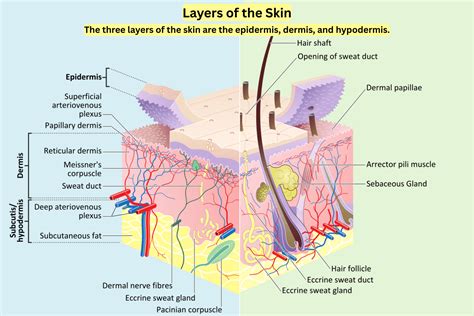
The Jessner Peel is a specialized chemical peel designed to effectively exfoliate the top layers of the epidermis. This process not only removes dead skin cells but also stimulates the production of collagen and elastin deeper within the dermis, leading to improved skin texture and a more youthful appearance. It is recognized as one of the most effective procedures for addressing various skin concerns, including clogged pores, sun damage, acne, and hyperpigmentation.
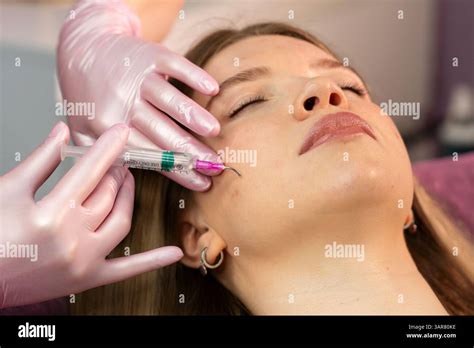
Understanding the Jessner Peel Formulation
The Jessner Peel is characterized by its unique, unbuffered combination of active ingredients. The standard formulation includes 14% lactic acid, 14% salicylic acid, and 14% resorcinol, all suspended in a hydro-alcohol base. This precise blend allows for controlled penetration and effective exfoliation.
The peel is often referred to as a "7-day peel procedure" because the entire process, from the initial application of the solution to the completion of peeling, typically spans about seven days.
Benefits and Applications of the Jessner Peel
The Jessner Peel offers a wide array of benefits for skin rejuvenation and the treatment of various dermatological issues. According to Felicia Velarde, an Aesthetician at Southern Surgical Arts, "This is my favorite Chemical Peel because I’m seeing significant results for my patients with little downtime and maximum results!"
Key Benefits Include:
- Skin rejuvenation and textural improvements, leading to a smoother and more refined complexion.
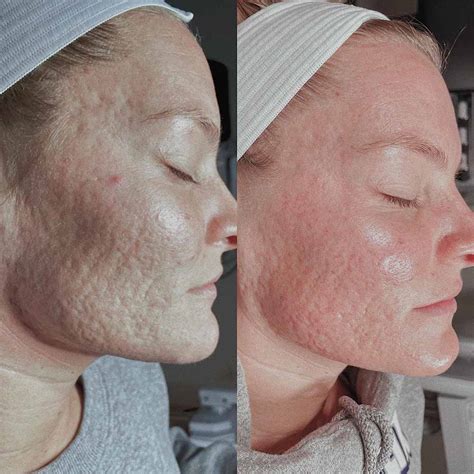
- Progressive reduction of acne scarring and psuedofolliculitus (ingrown hairs).
- Effective treatment of acneic conditions, particularly those involving impacted pores (blackheads).
- Significant reduction in hyperpigmentation and discoloration.
- Smoothing of fine lines and wrinkles.
- Improvement of overall complexion, restoring a "youthful glow" to sluggish, ruddy, rough, or devitalized skin.
- Serves as an excellent preparatory treatment 6-8 weeks prior to more invasive procedures like laser resurfacing.
Depth and Repetition of Treatment
The depth of the Jessner Peel and the resulting aesthetic outcomes are significantly influenced by the method of application and the number of layers (or coats) applied. This allows for a tailored approach to address individual skin needs.
For ongoing acne management, the Jessner Peel can be repeated as an "acne tune-up" every two weeks. For general skin care maintenance and to sustain results, treatments can be performed every 6-8 weeks.
Who Should Avoid the Jessner Peel?
While highly effective, the Jessner Peel is not suitable for everyone. It is not recommended for individuals with the following conditions:
- Eczema
- Sunburn
- Active herpes simplex
- Rosacea
- Asthma
- Pregnancy
- Lupus
- Recent use of Accutane
The Evolution and Science Behind Jessner's Solution
Jessner's solution has a long history, first developed nearly 100 years ago by Dr. Max Jessner. His original formula aimed to treat benign skin conditions by effectively breaking down the skin's surface layers and promoting the emergence of brighter, newer skin. The original ingredients consisted of equal parts salicylic acid, resorcinol, and lactic acid, mixed with an ethanol base.
More recently, modified versions have been developed. These often contain higher concentrations of lactic acid and salicylic acid, with a reduced amount of resorcinol, or sometimes replaced with citric acid. These modifications aim to minimize potential irritation and hyperpigmentation, especially for individuals with darker skin tones.
On its own, Jessner's solution typically acts as a superficial peeling agent. However, it is frequently combined with other potent ingredients, such as trichloroacetic acid (TCA) or glycolic acid, to achieve a medium-depth peel. In these combinations, Jessner's solution plays a crucial role in preparing the skin by removing the uppermost layers, allowing other active ingredients to penetrate more effectively.
Common Skin Concerns Addressed by Jessner Peels
Jessner peels are versatile treatments capable of addressing a wide range of cosmetic and dermatological concerns:
- Acne and acne scars
- Age spots and other forms of discoloration, including melasma
- Dull complexion
- Fine lines and wrinkles
- Freckles and sun damage
- Rough-feeling skin
Preparation and Aftercare for Optimal Results
To ensure the best possible outcomes from a Jessner Peel, proper preparation and diligent aftercare are essential. Your doctor will provide specific instructions, which may include:
Pre-Peel Preparation:
- A consultation to discuss your skin and medical history, identifying any contraindications.
- A pre-peel skincare plan for two to four weeks prior, which might involve prescription products like tretinoin. This helps to thin the top layer of the skin, increase cell turnover, and facilitate deeper peel penetration. Retinoids are typically discontinued a few days before the peel to prevent over-irritation.
During the Procedure:
Chemical peels are typically performed in a dermatologist's office. After thorough cleansing of the skin, the peel solution is applied using gauze, a brush, or a cotton-tipped applicator. The treated skin may turn white or frosted, and a stinging or burning sensation is common. The peel is then removed, and a cool compress and soothing lotion are applied.
Post-Peel Recovery and Care:
Immediate side effects can include redness, swelling, stinging, or burning. Over the next few days, the skin will become dry and flaky or crusty before shedding. Full recovery usually takes about a week.
To aid healing and comfort:
- Apply ice packs or use a fan to soothe burning sensations.
- Moisturize frequently to prevent tightness, dryness, or itching.
- Follow all aftercare instructions diligently, which may include gentle cleansing and the use of antibiotic ointment.
- Crucially, do not pick, peel, or rub the skin, as the peeling outer layer protects the new skin underneath.
- Avoid hot water and excessive sweating, which can cause premature peeling.
- Take any prescribed medications.
- Strictly prevent sun exposure until the skin is fully healed. Use broad-spectrum SPF 30+ sunscreen and protective clothing in the following months.
- Makeup can be used to cover redness and peeling once the skin is no longer irritated.
IS GETTING A CHEMICAL PEEL WORTH IT? @DrDrayzday
At-Home vs. Professional Jessner Peels
While Jessner's solution is available for at-home use, it's important to understand the differences and risks associated with it compared to professional treatments.
At-home Jessner peels are generally intended to be superficial. While they may be less expensive and offer faster recovery times, they are typically less effective at addressing deeper issues like significant dark spots or scarring. There is also an increased risk of over-irritating the skin or causing injury, such as burns or sores, if the product is left on for too long or not applied correctly.
Professional Jessner peels performed by a board-certified dermatologist offer more significant and longer-lasting results. Medium-depth peels, like the Jessner peel, should ideally be performed by a trained professional to ensure safety and efficacy. This is particularly important for individuals with darker skin tones, who are at a higher risk of experiencing permanent pigment problems or other side effects if the peel is not administered correctly.
When performed by a qualified dermatologist, the Jessner peel is considered safe for all skin tones. However, individuals with sensitive or extremely fair skin should consult their doctor, as the peel may be too aggressive for their skin type.
The Jessner Peel at Luma Dermatology
At Luma Dermatology, providers like Dr. Metterle, Dr. Patel, and esthetician Kacey offer cutting-edge skin treatments, including the Jessner Peel. This time-tested chemical peel is known for its ability to improve skin tone, texture, and overall radiance.
Benefits Offered at Luma Dermatology:
- Acne and Acne Scarring: Helps reduce breakouts and smooth post-inflammatory marks.
- Hyperpigmentation & Sun Damage: Evens out skin tone and minimizes discoloration.
- Fine Lines & Wrinkles: Encourages collagen production for firmer, smoother skin.
- Rough Texture & Large Pores: Enhances skin’s softness and clarity.
- Oil Control: Reduces excess oil, beneficial for oily or combination skin.
Who Might Not Be a Candidate for a Jessner Peel?
- Individuals who are pregnant or nursing.
- Those with an allergy to aspirin (due to potential cross-reactivity with salicylic acid).
- People with extremely sensitive or reactive skin.
- Individuals prone to post-inflammatory hyperpigmentation (PIH) without prior guidance.
Consultations at Luma Dermatology involve a thorough skin assessment to create a customized peel plan. Post-treatment care emphasizes avoiding water or oil-based products for the initial hours, staying hydrated, using gentle moisturizers, protecting the skin from the sun, and avoiding strenuous activity or excessive sweating.