Foot peeling masks have gained significant international attention as an alternative to traditional methods for removing dead skin and calluses from the feet. These treatments, often imported and widely available, promise to reveal softer, smoother skin beneath. However, like many beauty treatments, they come with potential side effects that users should be aware of.
How Foot Peeling Masks Work
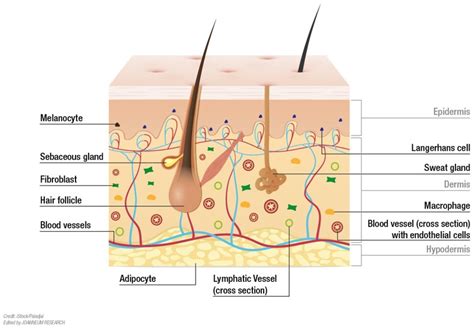
The primary mechanism behind foot peeling masks is chemical exfoliation. These masks typically contain a blend of acids, most commonly Alpha Hydroxy Acids (AHAs) and Beta Hydroxy Acids (BHAs). AHAs, such as glycolic acid, lactic acid, and citric acid, are naturally found in foods like citrus fruits and sour milk. They work by breaking down the bonds (desmosomes) that hold dead skin cells together in the top layers of the epidermis. BHAs, like salicylic acid, also contribute to this process by dissolving the adhesive that binds thickened skin cells. This process allows the outer layers of dead skin to gradually slough off, revealing the newer, softer skin underneath.
The application process usually involves wearing special booties filled with a gel-like solution for a specified period, typically 60-90 minutes. After the treatment, the skin begins to peel anywhere from three to seven days later and can continue to shed for up to two weeks.
Potential Benefits and Claims
Beyond simply removing dead skin, proponents of foot peeling masks suggest several other benefits:
- Callus Removal: The intensive exfoliation effectively breaks down and removes thickened, callused skin on the soles and heels.
- Dry Skin and Rough Patches: These masks can help to smooth out dry, rough areas, making the feet feel softer.
- Improved Appearance of Skin: Similar to facial peels, they are said to improve the appearance of photo-aged skin and acne scars, though this is less commonly cited for foot treatments.
- Potential Help for Fungal Infections: Some experts theorize that by shedding infected skin, these peels could theoretically assist with conditions like tinea pedis (athlete's foot).
Understanding the Ingredients and Concentrations
While AHAs are generally considered safe in concentrations below 10 percent, a point of concern for many foot peeling masks is that the specific strength of the ingredients, particularly glycolic acid, is often not disclosed on the product label. This lack of transparency makes it difficult for consumers to assess the potential intensity of the treatment and the associated risks.
Common ingredients include:
- Alpha Hydroxy Acids (AHAs): Glycolic acid, lactic acid, citric acid.
- Beta Hydroxy Acids (BHAs): Salicylic acid.
- Alcohols: Used to soften dead skin cells.
- Essential Oils and Botanical Extracts: Included for conditioning and moisturizing properties.
- Artificial Fragrances: May be present in some formulations.
Potential Side Effects and Risks
Despite the appealing promise of soft feet, foot peeling masks carry potential risks and side effects:
Chemical Burns and Irritation
The lack of disclosed ingredient concentrations raises concerns about the potential for chemical burns, especially if the product is used improperly or if an individual has sensitive skin. Some users have reported bleeding, cellulitis, and even requiring emergency room visits after using these products.
Increased Sensitivity and Damage
By removing the outer protective layers of skin, foot peels can make the skin more prone to damage and trauma. This is particularly relevant for individuals who are active, such as runners and athletes, whose feet endure significant physical stress.
Contraindications for Certain Individuals
Several groups are strongly advised to avoid foot peeling masks:
- Diabetics: Individuals with diabetes have impaired circulation and a reduced ability to heal wounds. The delicate skin on the feet can be easily damaged, making foot peels a significant risk.
- Individuals with Skin Conditions: Those with eczema, psoriasis, or a history of contact dermatitis (allergic reactions) may find that these peels aggravate their conditions.
- Individuals with Active Foot Issues: If you are currently experiencing athlete's foot, fungal infections, itching, rashes, redness, sores, or open wounds on your feet, you should avoid foot peels and seek medical advice for the underlying issue.
Allergic Reactions
As with any product applied to the skin, there is a risk of allergic reaction, which can manifest as contact dermatitis or a rash. Performing a patch test before full application is recommended.
Over-Exfoliation
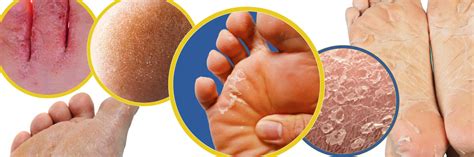
Using these products too frequently or leaving them on for longer than recommended can lead to over-exfoliation. This can result in thinning of the skin, increased dryness, rashes, and cracks in the skin.
Optimizing Foot Peel Application and Aftercare
To maximize benefits and minimize risks, proper preparation and aftercare are crucial:
Preparation
- Timing: Plan your peel at least two weeks before any event where your feet will be on display. The fall and winter months are often ideal as drier air can aid the peeling process, and you'll likely be wearing closed shoes.
- Pre-Peel Routine: Avoid applying foot creams or lotions the night before to ensure the skin is in its natural state for optimal penetration.
- Pre-Soak: Soak feet in warm water for about 10-15 minutes before applying the booties to soften the skin.
- Cleanliness: Ensure feet are thoroughly cleaned and dried before applying the mask.
Application
- Secure the Booties: Apply the booties and seal them properly around the ankles.
- Stay Still: Avoid walking around during the treatment period to keep the solution evenly distributed and ensure better results.
- Adhere to Time Limits: Do not leave the booties on longer than the recommended duration, even if you think it will enhance results.
Aftercare
- Patience is Key: Understand that peeling typically begins 3-7 days after application.
- Daily Soaks: Soaking feet in warm water daily can help facilitate the natural peeling process.
- Moisturize: After soaking and gently patting feet dry, apply a lightweight, non-comedogenic moisturizer.
- Wear Socks: Use loose cotton socks after moisturizing to protect your feet and prevent irritation.
- Resist Picking: Do not manually peel or pull off the skin, as this can lead to tears, uneven texture, and potential infection.
- Address Delayed Peeling: If peeling hasn't started by day 5, try a warm bath or foot soak for 15-20 minutes to help jumpstart the process.
- Manage Uneven Peeling: Continue with daily soaks and allow the skin to shed naturally.
- Immediate Action for Discomfort: If you experience burning, extreme redness, or discomfort, remove booties immediately and rinse with cool water.
Frequency of Use and Alternatives
Foot peeling masks are intensive treatments and are generally not recommended for frequent use. Most experts suggest using them no more than every six to eight weeks. For some, the effect might last for three to four months.
If you're looking for gentler ways to soften your feet or if foot peels are not suitable for you, consider these alternatives:
- Gentle Exfoliation: Regular use of a pumice stone or a foot file in the shower can help manage dead skin buildup.
- Exfoliating Moisturizers: Creams containing urea or ingredients like AmLactin® can help soften hardened heels and dry skin.
- Overnight Treatments: Applying petroleum jelly or rich moisturizers to your feet and wearing cotton socks overnight can provide intense hydration.
- Gentler Foot Masks: Some masks combine exfoliating acids with nourishing ingredients like shea butter, hyaluronic acid, or rose extract for a less aggressive approach.
Ultimately, achieving and maintaining soft, smooth feet involves a consistent foot care routine. Patience, proper preparation, and diligent aftercare are essential when using foot peeling masks, and it's vital to listen to your body and consult with a healthcare professional if you have any underlying health conditions or concerns.