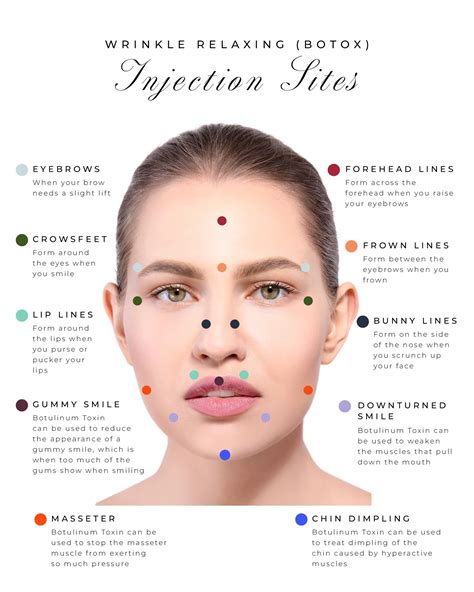
Before undergoing a Botox treatment, it is important to be aware of the potential side effects that may occur. Botox is a purified form of botulinum toxin that is utilized for both medical and cosmetic applications, making it one of the most popular injectables in aesthetic treatments.
Botox works by targeting the signals between nerves and muscles, disrupting the message that signals muscles to contract. By blocking this signal, Botox effectively relaxes the muscle. While effective, it is crucial to understand the risks associated with this treatment to make an informed decision.
Common Side Effects of Botox
The most frequently reported side effects of Botox injections are typically localized to the injection site. These can include:
- Pain
- Swelling
- Redness (erythema)
- Bruising
- Bleeding
These localized reactions are usually mild and tend to resolve on their own within a few days. In addition to injection site reactions, some individuals may experience:
- Headaches: While Botox is used to treat migraines, it can also cause headaches as a side effect, particularly after cosmetic use. These headaches are generally mild and can often be managed with over-the-counter pain relievers.
- Flu-like symptoms: Some patients report experiencing symptoms such as fever, nausea, and body aches (myalgia) after Botox injections.
It is important to differentiate between these common, expected reactions and more serious complications. Knowing these potential side effects can help you prepare for the recovery period.
Less Common but Possible Side Effects
Beyond the common side effects, there are less frequent but still possible reactions that individuals should be aware of:
- Double or Blurred Vision: Some individuals may experience temporary changes in their vision, such as double vision or blurred sight.
- Drooping Eyelids or Eyebrows (Ptosis): When Botox is injected near the eyes, there is a possibility of causing drooping of the eyelids or eyebrows, which can alter facial balance.
- Dry Eyes: This is another potential eye-related side effect that may occur.
These less common side effects occur less frequently than injection site reactions but warrant attention. It is advisable to monitor for any unusual changes in vision or appearance after treatment.
Neurological Side Effects of Botox
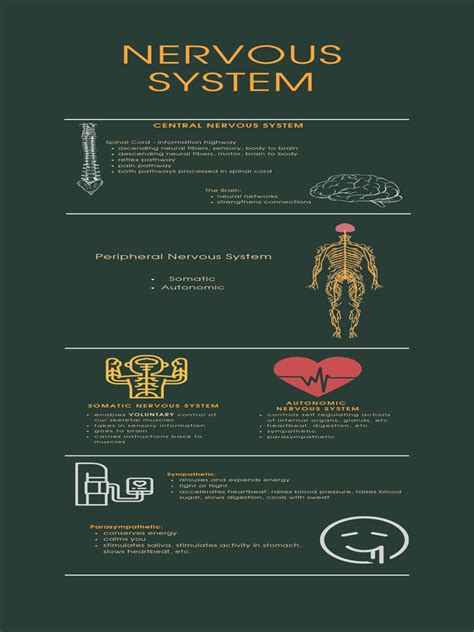
Botox, by its nature, affects nerve signals, and therefore, can potentially lead to neurological side effects. These are symptoms or conditions that impact the nervous system, including the brain, spinal cord, and nerves.
Dizziness
Dizziness is one of the less common but significant neurological side effects that can occur after a Botox injection. This can range from mild lightheadedness to more pronounced balance problems. Dizziness may arise as a reaction of the body to the toxin and can temporarily affect activities such as driving.
Other Neurological Effects
In addition to dizziness, other neurological side effects may include:
- Dysphagia (Difficulty Swallowing): This is more likely to occur when Botox is injected near the neck or throat.
- Facial Paralysis: While Botox is used cosmetically to relax facial muscles, unintended facial paralysis can occur if it is injected into the facial area for other purposes, such as migraine prevention.
- Muscle and Body Aches: Botox injections may sometimes cause muscle and body aches beyond the treated area, which can feel like soreness or stiffness and may last for a few days.
Serious Risks and FDA Boxed Warning
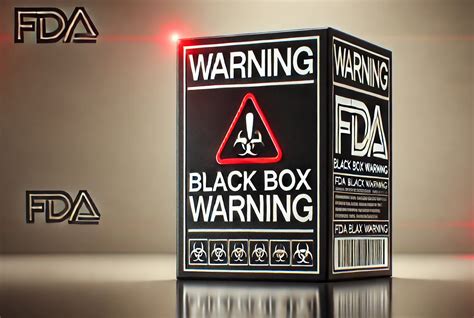
Botox carries a boxed warning from the Food and Drug Administration (FDA), which is the most serious type of safety warning. This warning alerts to the rare but potentially serious risk of the distant spread of the toxin.
In rare instances, the effects of Botox can spread from the injection site to other parts of the body, leading to symptoms of a serious and potentially life-threatening condition known as botulism. These symptoms can manifest hours, days, or even weeks after the injection and may include:
- Trouble swallowing, speaking, or breathing
- Loss of strength or widespread muscle weakness throughout the body
- Severe or long-lasting headaches
- Double vision, blurred vision, or severely drooping eyelids
- Hoarseness or a complete change in voice
- Loss of bladder control (incontinence)
The risk of these serious symptoms is generally highest in children receiving Botox for muscle spasticity but can also occur in adults. Pre-existing conditions, particularly those affecting breathing or swallowing, can further increase this risk.
Other Serious Side Effects
Beyond the distant spread of toxin, other serious side effects that have been reported include:
- Abnormal Heart Rhythms: In rare cases, Botox injections can lead to abnormal heart rhythms, especially in individuals with pre-existing heart conditions.
- Urinary Retention: This is a less common but serious side effect that can make it difficult to fully empty the bladder.
- Corneal Ulceration: An open sore on the surface of the eye has been reported in cases where Botox is used for eyelid twitching.
- Retrobulbar Hemorrhage: This involves blood collecting behind the eyeball, reported in cases where Botox is used for crossed eyes.
- Serious Allergic Reactions: As with any medication, a severe allergic reaction to Botox or its ingredients is possible.
If any of these serious side effects occur, it is crucial to seek immediate medical attention.
Factors Increasing Risk and Precautions
Certain factors and situations can increase the risk of experiencing side effects from Botox:
- Pregnancy or Breastfeeding: Botox is generally not recommended during pregnancy or while breastfeeding due to unknown effects on the baby.
- Certain Health Conditions: Individuals with neuromuscular disorders such as ALS, Lambert-Eaton syndrome, or myasthenia gravis should use Botox with extreme caution, as it can severely increase the risk of muscle weakness and breathing problems.
- Medication Interactions: Some medications, including antibiotics, muscle relaxants, sleep medications, anticholinergics, and blood thinners, can interact with Botox, potentially increasing side effects or reducing its effectiveness.
- "Off-Label" Use: Using Botox for unapproved indications (off-label) has been linked to serious adverse reactions. The safety and effectiveness of Botox for unapproved uses have not been established.
- Active Skin Infection: An active skin infection at the injection site should be treated before receiving Botox.
- Active UTI: An active urinary tract infection is another condition where Botox treatment should be postponed.
It is essential to review your health history and current medications thoroughly with your healthcare provider before treatment to prevent adverse reactions.
Reducing the Risk of Side Effects
While it may not be possible to prevent all neurological side effects from Botox entirely, several steps can be taken to significantly reduce the risk:
- Choose an Experienced and Qualified Provider: Receiving Botox from a licensed and experienced healthcare professional who uses precise injection techniques and follows strict safety protocols is paramount. This greatly reduces the risk of side effects.
- Discuss Your Health History and Medications: Openly communicate with your doctor about any pre-existing conditions and all medications you are currently taking.
- Start with the Proper Dose: Discuss appropriate dosing with your doctor, as certain doses may increase the risk of neurological side effects.
- Pace Your Treatments: To minimize the risk of developing Botox resistance and potentially reduce side effects, doctors often recommend using the lowest effective dose and waiting an appropriate amount of time between injection sessions.
- Watch for Early Signs: Pay close attention to any unusual symptoms after treatment, such as drooping eyelids, difficulty swallowing, dizziness, or unexpected muscle weakness. Report these to your doctor promptly.
- Avoid Driving if Feeling Unwell: If you experience any loss of strength, muscle weakness, blurred vision, or dizziness after an injection, do not drive or operate heavy machinery.
By understanding these potential risks and taking appropriate precautions, you can work with your healthcare professional to ensure your Botox treatments are as safe and effective as possible.
Long-Term Considerations
When used appropriately, Botox is unlikely to cause long-term neurological side effects, and nerve damage from Botox is rare. Most side effects are temporary and resolve as the effects of Botox wear off, typically within 3 to 4 months after each injection.
However, long-term use can carry some non-neurological risks. Repeated injections can lead to weakened or shrunk muscles due to prolonged inactivity. Additionally, in rare cases, some individuals may develop immunogenicity, also known as "Botox resistance," where the body creates antibodies that block the medication's effectiveness.
It is important to discuss potential long-term risks, including the possibility of Botox resistance, with your healthcare provider.