Embarking on an anti-aging skincare routine often involves introducing your skin to potent ingredients designed to combat the visible signs of aging. While some individuals prefer a minimalist approach, focusing on one active ingredient at a time, this strategy may not fully leverage the advanced skincare solutions available. The strategic combination of certain ingredients can unlock synergistic benefits, leading to a truly effective anti-aging regimen.
The Power Duo: Vitamin C and Retinol
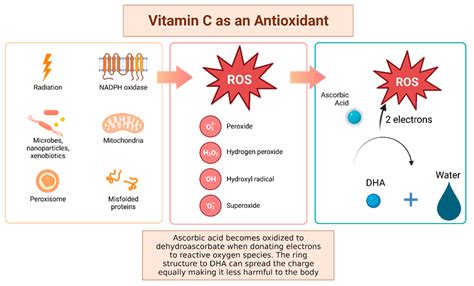
When considering powerful anti-aging ingredients, vitamin C and retinol stand out. Vitamin C, also known as L-ascorbic acid, is a formidable antioxidant. Factors such as environmental pollutants, sun exposure, and other external stressors can contribute to the visible signs of aging. When applied topically, vitamin C offers several key benefits for the skin.
Benefits of Vitamin C for Skin
- Improving the Appearance of Dark Spots: Vitamin C aids in inhibiting melanin formation, which can help diminish the appearance of dark spots and promote a more even skin tone.
- Addressing Sagging Skin: Topical application of vitamin C may help combat signs of aging that are exacerbated by sun exposure. Free radicals can compromise skin elasticity, leading to looseness and sagging. An antioxidant boost from vitamin C can contribute to a complexion that appears and feels more youthful.
- Brightening Complexions: Free radicals can also render the skin dull, tired, and lackluster. Vitamin C application supports the skin's natural renewal process, contributing to a healthier-looking complexion.
Understanding Retinol
Retinol is a highly regarded member of the retinoid family, which are potent derivatives of vitamin A known for their anti-aging capabilities. Retinol and other retinoids are often considered a gold standard for wrinkle treatment, particularly when introduced in one's 30s to help improve the appearance of fine lines and wrinkles.
Synergistic Benefits of Combining Vitamin C and Retinol
While both vitamin C and retinol are exceptionally beneficial on their own, their combined application can amplify their positive effects, leading to a more radiant complexion. Vitamin C initially works to improve the appearance of dark spots, fine lines, wrinkles, and sagging skin. Subsequently, retinol steps in to enhance the skin's elasticity. This dynamic duo helps refine skin texture and minimize the visibility of fine lines. Similar to vitamin C, retinol can also contribute to a more uniform skin tone and texture.
Optimal Usage of Vitamin C and Retinol
To maximize their potency, vitamin C is often found in stable formulations, such as serum capsules, which protect it from light and air that can degrade its effectiveness. Retinol is most effective when incorporated into creams and serums; it's important to ensure the ingredient list explicitly states "retinol."
For a powerful anti-aging strategy, consider applying a vitamin C serum in the morning. In your evening routine, layer a hydrating, retinol-based cream or a lightweight retinol oil. This approach provides a comprehensive treatment throughout the day and night.
Integrating Hyaluronic Acid with Retinol
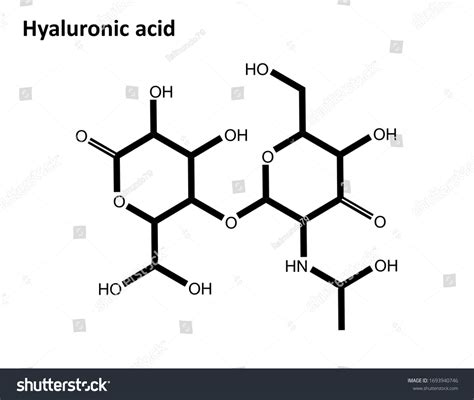
In the realm of skincare, retinol and hyaluronic acid are frequently discussed for their remarkable efficacy. While both excel individually, many individuals inquire about their compatibility within the same routine. Hyaluronic acid is a naturally occurring molecule present in the body, predominantly found in the skin, connective tissues, and eyes. Its hydrating properties make it suitable for all skin types, including oily, dry, and sensitive. Retinol, a derivative of Vitamin A, is recognized as one of the most potent ingredients for anti-aging and skin rejuvenation. It is particularly beneficial for addressing concerns such as fine lines, uneven skin tone, acne, and loss of firmness.
Can You Use Hyaluronic Acid and Retinol Together?
The answer is a resounding yes. The combination of hyaluronic acid and retinol is not only safe but also highly effective. Retinol can sometimes lead to dryness, flakiness, or irritation, especially in sensitive skin types. Therefore, introducing retinol gradually and consistently following up with moisturizing steps is crucial.
Retinol Application: Apply retinol to completely dry skin, typically during the nighttime routine. For beginners, a helpful tip is to apply hyaluronic acid first, followed by retinol on top. This layering technique can help buffer potential irritation.
The synergy between hyaluronic acid and retinol offers versatility and addresses a wide array of skin concerns. Whether your objective is to reduce fine lines, target acne, or simply maintain healthy, radiant skin, incorporating retinol and hyaluronic acid into your routine correctly is a safe and effective solution.
Recommended Skincare Routine Integration
Hyaluronic acid can be used daily, both in the morning and evening. Retinol, however, should be introduced gradually. Initially, use it two to three nights a week, and then increase frequency as your skin tolerates it. It is imperative to apply sunscreen diligently during the day when using retinol.
For those new to retinol, starting with a low concentration is advisable. Apply hyaluronic acid generously to counteract any potential dryness. It's also important to avoid layering too many active ingredients, such as AHAs or BHAs, with retinol in the same routine to prevent over-exfoliation and irritation.
Ultimately, the best approach depends on your skin's individual tolerance. If you are uncertain about the best routine for your specific skin type and concerns, consulting a dermatologist or skincare professional is highly recommended.