Itching, medically termed pruritus, is a common and often distressing symptom in dogs, prompting behaviors like scratching, biting, licking, rubbing, and scooting. While an occasional itch is normal, persistent or excessive itching can signal underlying health issues that require veterinary attention. Understanding the various causes and available treatments is crucial for improving a dog's quality of life and maintaining the human-animal bond.

Common Causes of Itchy Skin in Dogs
The reasons behind a dog's itchiness are diverse, ranging from external parasites to internal conditions. Identifying the root cause is the first step toward effective treatment.
Parasites
Fleas are a primary culprit for itchy skin in dogs. Even a single flea bite can trigger a severe allergic reaction known as flea allergy dermatitis (FAD) due to flea saliva. Other external parasites like ticks, mites (causing mange), and lice can also lead to intense itching and discomfort.
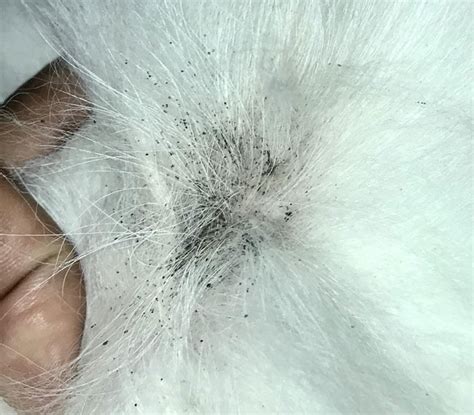
- Fleas: Look for "flea dirt" (digested blood) in the fur, typically concentrated near the tail base.
- Mites: Microscopic mites can burrow into the skin, causing mange. Symptoms include severe itching, hair loss, and skin lesions.
- Ticks: While often noticeable, ticks can cause localized irritation and itching.
Allergies
Allergies are one of the most frequent causes of pruritus in dogs. These can be categorized into:
Environmental Allergies (Atopic Dermatitis)
Dogs can develop allergies to environmental allergens such as pollen, dust mites, molds, and certain grasses. These allergies often manifest seasonally, with flare-ups occurring during specific times of the year. Symptoms include itchy skin, particularly on the paws, face, and ears.
Food Allergies
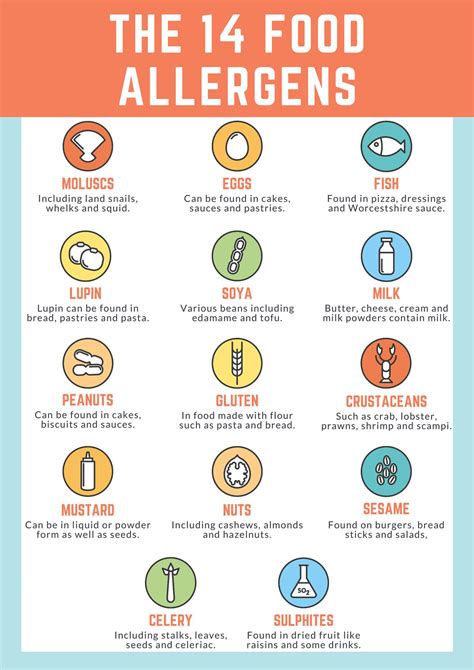
Adverse reactions to ingredients in a dog's diet, commonly proteins like chicken, beef, dairy, or grains, can also cause itchy skin. While symptoms can mimic environmental allergies, some dogs with food allergies may show more pronounced itching around the "ears and rears" and experience recurrent ear infections.
Flea Allergy Dermatitis (FAD)
As mentioned, this is an allergic reaction to flea saliva. Even a few flea bites can cause intense itching in sensitive dogs.
Contact Dermatitis
This occurs when a dog's skin comes into direct contact with an irritant, such as certain cleaning products, shampoos, fabrics, or plants. The itching is typically localized to the areas that touched the irritant.
Infections
Skin infections, often secondary to other causes like allergies or parasites, can significantly contribute to itching.
Bacterial Infections
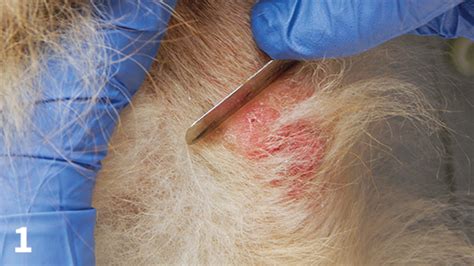
Bacteria, such as Staphylococcus, can overgrow on the skin, especially in areas that are warm and moist or have been damaged by scratching. Symptoms include redness, pustules, crusting, and itching. These infections are more common in dogs with allergies.
Yeast Infections
Fungi like Malassezia can also cause skin infections, particularly in skin folds, ears, and between the toes. These infections often result in a greasy coat, a distinct odor, redness, and intense itching.
Ear Infections
Itchy ears are a common issue in dogs, often caused by yeast or bacterial infections, ear mites, or allergies. Dogs with floppy, hairy ears or those who swim frequently are more prone to ear infections.
Dry Skin
Low humidity, cold weather, excessive bathing, or a lack of essential fatty acids in the diet can lead to dry, flaky, and itchy skin. Dogs with shorter coats or those living in arid climates are more susceptible.
Hormonal Imbalances
Conditions like hypothyroidism (low thyroid hormone) or hyperadrenocorticism (overactive adrenal glands) can affect skin health, leading to dryness, thinning fur, and increased susceptibility to infections, all of which can cause itching.
Anal Gland Issues
The anal glands, located on either side of a dog's anus, can become impacted or infected. This can cause discomfort and itching around the hindquarters, leading to scooting, licking, or chewing at the area. Dogs with allergies are more prone to anal gland problems.
Stress and Anxiety
While not a direct cause of itchy skin, stress, anxiety, or boredom can lead to excessive licking, chewing, or grooming behaviors. This overgrooming can damage the skin barrier, potentially leading to secondary infections and itchiness.
Hereditary or Breed-Specific Conditions
Certain breeds are genetically predisposed to skin conditions. For example, Bulldogs and Pugs with their skin folds are prone to infections, while breeds like Labrador Retrievers and Cocker Spaniels have a higher incidence of atopic dermatitis.
Diagnosing the Cause of Itching
Veterinarians employ a systematic approach to diagnose the cause of pruritus. This typically involves:
- History and Physical Examination: Gathering detailed information about the itching's onset, duration, and any associated symptoms, followed by a thorough physical check of the skin and coat.
- Parasite Screening: Skin scrapings, flea combing, and analysis of "flea dirt" to rule out or confirm parasitic infestations.
- Infectious Disease Testing: Cytology (microscopic examination of skin cells) to identify bacterial or yeast infections. Fungal cultures may also be performed.
- Allergy Testing:
- Diet Trial: A strict elimination diet for 8-12 weeks, using novel protein and carbohydrate sources, to identify food allergies.
- Intradermal Skin Testing: Performed by veterinary dermatologists, this involves injecting small amounts of allergens under the skin to assess reactions.
- Blood Tests: Measure antibody levels to common environmental allergens.
- Bloodwork: Complete blood count (CBC) and chemistry profile can reveal underlying systemic diseases, endocrine disorders (like thyroid issues), or infections.
- Skin Biopsy: In complex or persistent cases, a biopsy may be necessary to diagnose autoimmune diseases, resistant infections, or other rare conditions.
Treatment and Management of Itchy Skin
Treatment strategies are tailored to the underlying cause of the itching. While home care can help with mild cases, persistent or severe itching requires veterinary intervention.
Parasite Control
Year-round flea and tick prevention is essential. Veterinarian-recommended parasiticides, whether topical spot-ons, oral chews, or collars, are highly effective.
Allergy Management
- Environmental Allergies: Management may include allergen avoidance where possible, regular bathing with hypoallergenic shampoos, paw wipes after walks, and prescription medications such as antihistamines, corticosteroids (used judiciously due to side effects), cyclosporine, or newer targeted therapies like JAK inhibitors (e.g., Oclacitinib). Immunotherapy (allergy shots) is a long-term option for identified allergens.
- Food Allergies: Strict adherence to a hypoallergenic diet trial is key. Once the offending ingredient is identified, a long-term prescription diet is necessary.
- Flea Allergy Dermatitis: Strict flea control is paramount.
Treating Infections
Bacterial and yeast infections are typically treated with a course of antibiotics or antifungal medications, often in conjunction with medicated shampoos or topical treatments. Ear infections require specific ear cleaning solutions and prescription medications.
Skin Barrier Support
For dry skin, moisturizing shampoos, topical conditioners, and dietary supplements rich in omega-3 fatty acids can help restore the skin's natural barrier. Maintaining adequate humidity in the home environment can also be beneficial.
Addressing Hormonal Imbalances
Hormonal conditions are managed with specific medications prescribed by a veterinarian, such as thyroid hormone replacement therapy for hypothyroidism.
Anal Gland Care
Impacted anal glands need to be manually expressed by a veterinarian. Recurring issues may require dietary changes or, in severe cases, surgical intervention.
Behavioral Modification
For stress- or anxiety-induced overgrooming, addressing the underlying behavioral issues is crucial. This may involve environmental enrichment, increased exercise, calming supplements, pheromone diffusers, or anti-anxiety medications prescribed by a vet.
General Skin Health and Home Care
- Bathing: Regular baths with soothing, hypoallergenic shampoos can help remove allergens and irritants. Oatmeal or aloe vera-based products can provide relief.
- Topical Treatments: Over-the-counter sprays, creams, or mousses containing ingredients like oatmeal, chamomile, or calendula can offer temporary relief.
- Dietary Supplements: Omega-3 fatty acids (fish oil) can improve skin health and reduce inflammation.
- Grooming: Regular brushing helps distribute natural oils, remove loose hair, and allows for early detection of skin issues.
- Paw Wipes: Wiping paws after walks can remove environmental allergens.
How to PROFESSIONALLY wash (and dry) your dog at home!
When to Seek Veterinary Care
While mild itching might be managed at home, it's important to consult a veterinarian if you observe any of the following:
- Intense or persistent itching that disrupts your dog's sleep or daily activities.
- Hair loss (alopecia).
- Red, inflamed, or broken skin, scabs, or oozing sores.
- Foul odor from the skin or ears.
- Signs of pain or discomfort associated with itching.
- Sudden onset of severe itching, especially if accompanied by vomiting, diarrhea, or difficulty breathing (potential anaphylaxis).
Prompt veterinary diagnosis and treatment are essential to prevent secondary complications, alleviate discomfort, and improve your dog's overall well-being.