The Phenol Peel represents an advanced chemical peel treatment, distinguished by its profound depth and efficacy in addressing severe skin imperfections. Performed by experienced and board-certified professionals, this procedure penetrates far beyond superficial layers, targeting issues such as deep-set wrinkles, pronounced sun damage, and significant hyperpigmentation. Its intensity and depth set it apart from other chemical peels, offering results that redefine the standards of chemical exfoliation.
The Phenol Peel is a powerful tool renowned for its ability to not just improve but also revolutionize skin texture and tone. It appeals to those who desire a significant reversal of age-related changes and environmental impacts on the skin. Its potent formulation works thoroughly to remove damaged outer layers, revealing a fresh, smooth, and revitalized complexion beneath. This treatment penetrates well beyond the superficial skin layers, targeting the deeper dermal areas where significant issues like deep wrinkles and scars are located. Its ability to stimulate collagen remodeling is one of its most impactful features. By kickstarting the body’s natural collagen production, it not only smoothens but also firms and rejuvenates the skin, enhancing both its structure and elasticity.
Understanding the Phenol Peel
The Phenol Peel is recognized in the field of aesthetic medicine for its remarkable depth and potency, offering a deep chemical exfoliation that addresses some of the most challenging skin concerns. Despite its intense nature, the Phenol Peel is a procedure of precision, involving the careful application of a concentrated phenol solution to ensure effective treatment without overexposure.
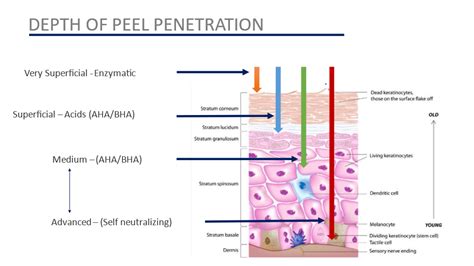
Phenol peels are considered the most intense level of chemical peels. They utilize a strong concentration of chemicals that penetrate deep into the skin. The phenol treatment breaks apart the proteins that hold skin cells together through a process called denaturation. As these dead skin cells accumulate, they fall off, revealing a new, fresher layer of skin underneath. Phenol peels contain varying concentrations of phenol and croton oil, a substance extracted from the seeds of the Croton tiglium plant. Adding croton oil to phenol enhances the peeling effect. Adjusting phenol and croton oil concentrations allows for tailored treatment.
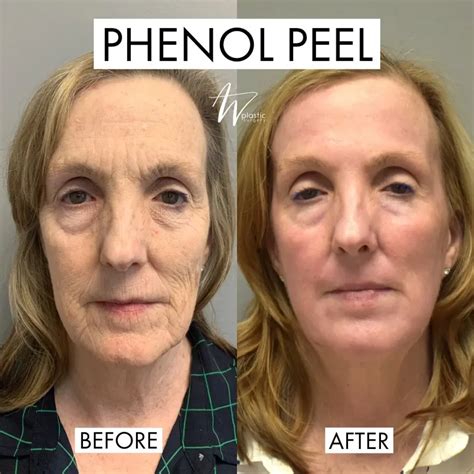
Compared to other chemical peels, the results of a Phenol Peel are especially long-lasting. The Phenol Peel is more than just a spot treatment; it provides comprehensive facial rejuvenation. Post-treatment, the skin enters a significant phase of recovery and regeneration. As the old, treated skin peels away, it reveals new, healthier layers underneath, leading to a marked improvement in the skin’s overall appearance. This recovery process, though demanding downtime, is integral to achieving the transformative results the Phenol Peel is known for. Furthermore, the results of this peel are long-lasting. Unlike more superficial treatments requiring repeated sessions, the outcomes of the Phenol Peel endure for years, making it an attractive option for those seeking a lasting solution to complex skin issues.
Ideal Candidates for Phenol Peels
The Phenol Peel is an intensive, transformative treatment best suited for individuals with specific skin concerns and a readiness for a significant recovery period. Ideal candidates are those experiencing deep facial wrinkles and lines, particularly around the mouth, eyes, and forehead, where signs of aging are most pronounced and often resistant to milder treatments. This deep peel is remarkably effective in reducing these age-related concerns, offering a dramatic improvement in appearance.
Patients with considerable sun damage or hyperpigmentation, including age spots and uneven skin tone, also stand to benefit significantly from the Phenol Peel. Its deep exfoliating action targets these issues effectively, leaving the skin smoother and more evenly toned. Moreover, individuals seeking a dramatic improvement in skin texture, especially those with rough, uneven, or scarred skin, will find this treatment highly beneficial.
Phenol peels are not recommended for patients with medium to deep skin tones, as the results of this treatment can cause pigmentation issues. The ideal candidate typically has a Fitzpatrick skin type I to III. Phenol is a powerful ingredient that penetrates deep into the skin, and some of it may be absorbed into the bloodstream. Therefore, individuals with a history of cardiac problems or other serious medical issues may not be a good candidate. Pregnant and breastfeeding women should not undergo chemical peel treatments.
Benefits of Phenol Peels
The Phenol Peel stands as one of the most effective deep chemical peels available, offering a range of profound benefits for those seeking significant improvements in their skin’s appearance and texture.
- Diminishes Deep Wrinkles and Fine Lines: One of the most notable benefits of the Phenol Peel is its ability to significantly diminish the appearance of deep wrinkles and fine lines.
- Addresses Sun Damage and Hyperpigmentation: For those with extensive sun damage, age spots, or hyperpigmentation, the Phenol Peel offers a potent solution.
- Stimulates Collagen Production: The peel not only addresses surface imperfections but also stimulates the production of collagen, leading to firmer and more youthful-looking skin.
- Improves Skin Texture and Tone: Post-treatment, patients can expect a noticeable improvement in skin texture and a more even skin tone.
- Long-Lasting Results: Compared to other chemical peels, the results of a Phenol Peel are especially long-lasting, often enduring for years.
- Comprehensive Facial Rejuvenation: The Phenol Peel provides comprehensive facial rejuvenation, transforming the skin's overall appearance.
The Procedure and Recovery Process
The procedure typically involves the application of a local anesthetic to the treatment area to ensure comfort. The skin is thoroughly cleaned to remove any dirt, oil, or makeup. The provider will then apply the phenol solution using a special brush or swab. After the application, the doctor will monitor the patient for about 30 minutes to ensure safe recovery. Most patients experience a temporary burning or stinging sensation that lasts around 45 minutes.
Recovering from a Phenol Peel is a crucial aspect of the treatment process, as it ensures the best possible results and minimizes the risk of complications. As one of the most potent chemical peels available, the Phenol Peel offers a level of rejuvenation that goes beyond the superficial, targeting deep-seated skin issues and delivering results that are both visible and palpable. Patients who choose this treatment can expect to see a remarkable improvement in the texture, tone, and overall youthfulness of their skin.
The treated skin will peel over the next few days after the treatment. This peeling phase can last several weeks, depending on the potency of the peel. During this time, the skin may appear red and swollen. It is important to follow all post-operative care instructions provided by the doctor. Most people can return to normal activities and apply makeup after two weeks, although the skin will still be healing and may have a red appearance similar to a sunburn for two to three months after treatment.
During the initial recovery, it is essential to avoid sun exposure, active skincare ingredients, and manual exfoliants. Diligent use of SPF daily is crucial. Some post-treatment sensitivity is expected, including crusting, oozing, itching, stinging, swelling, and peeling, which are most pronounced for the first 14 days and may last up to six weeks. Redness can persist for up to three months. Painkillers may be prescribed to help manage discomfort.
DEEP PHENOL TCA REVEPEEL CHEMICAL PEELING HELPS IMPROVE ACNE SCARS AND PORES | DR. JASON EMER
Comparing Phenol Peels to Other Treatments
Phenol peels and glycolic acid peels are at opposite ends of the chemical peel spectrum. Glycolic acid peels are considered mild, while phenol peels are incredibly strong. Often referred to as deep peels, they tend to yield the most dramatic results but also require the most recovery time.
A TCA (trichloroacetic acid) peel is a medium-depth peel that can fade acne scars, improve texture, lighten discoloration, and reduce fine lines. While the skin-resurfacing results of a phenol peel are more impressive than lighter peels, it is not for the faint of heart due to the extended downtime required. The AHA peel is a light chemical peel that targets superficial skin concerns by lifting away dead cells from the epidermis, leaving the skin glowing with minimal peeling and no downtime.
If you have tried other, less potent skin rejuvenation treatments without satisfactory results, a deep chemical peel like a phenol peel might be a good fit for your aesthetic goals. The cost of a phenol peel varies depending on individual goals and the extent of treatment.
Expertise and Practice Information
At Renaissance Plastic Surgery and Renaissance Surgical Centre, a team of Board Certified Plastic Surgeons, including Dr. Christopher L. McLendon, Dr. Taylor W. McLendon, Dr. Roy Powell Jr., Dr. Paul John Syribeys, and Dr. Travis Boyd, brings unparalleled expertise and compassionate care. Serving patients in Macon, Warner Robins, and Peachtree City, they specialize in advanced procedures.
Dr. Vincent Hung, a triple board-certified plastic surgeon, offers consultations on phenol peels. The Clinic for Plastic Surgery in Houston, led by Dr. Sam Sukkar, a double board-certified facial plastic surgeon, also provides advanced chemical peel treatments. Dr. Sukkar has received advanced training in deep chemical peels and performs them himself, administering anesthesia for a comfortable experience.
Dr. Rex Moulton-Barrett, a board-certified plastic surgeon in the Bay Area, offers advanced care and procedures, including phenol peels. The results of a single phenol peel treatment can yield dramatic improvements, including a smooth, refined texture and visibly brighter skin, with age-defying benefits that can last up to ten years.