Cleaning makeup brushes is a crucial yet often overlooked step in maintaining both hygiene and the longevity of your beauty tools. Neglecting this task can lead to a buildup of bacteria, oil, dirt, and excess product, which can then transfer to your face, causing various skin concerns like blemishes and clogged pores. Furthermore, improper drying methods can exacerbate bacterial growth, turning your brushes into a breeding ground for germs.
Given the importance of clean brushes, various methods and devices have emerged to simplify this chore. While some prefer manual cleaning, others seek the convenience of automated solutions. This article explores how machines can be used to wash makeup brushes, examining different types of cleaning devices and offering insights from beauty professionals.
The Importance of Clean Makeup Brushes
Investing time in cleaning and moisturizing your face daily is essential, but applying makeup with dirty brushes that harbor built-up makeup, oil, and bacteria can negate all that hard work. Using dirty makeup brushes carries significant risks, including:
- Breakouts and irritation: Accumulated bacteria can lead to acne and skin irritation.
- Bristle breakdown: Old product can degrade the quality of brush bristles.
- Poor blending capability: Dirty brushes do not apply makeup smoothly.
- Unwanted color mixing: Residual makeup can cause colors to blend undesirably.
- Splotchy makeup application: Inconsistent product distribution leads to an uneven finish.
Regular cleaning also extends the life of your bristles, which is particularly important for high-quality, expensive brushes. It ensures that your makeup applies smoothly and evenly.

Types of Makeup Brush Cleaning Machines
Several automated devices are designed to streamline the makeup brush cleaning process, offering varying levels of convenience and effectiveness.
1. Automatic Spinning Cleaners
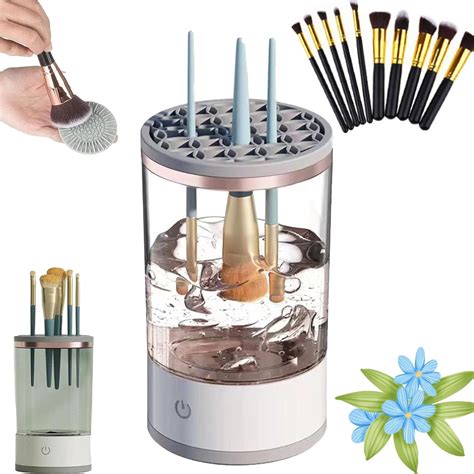
These devices typically consist of a bowl or basin and a spinning mechanism that holds the brush. The brush is dipped into a soapy solution and then spun rapidly to clean and often dry it.
Norate Makeup Brush Cleaner
The Norate makeup brush cleaner is highlighted for its convenience and effectiveness. It is described as beginner-friendly, compact, and capable of cleaning various beauty tools, including challenging items like eye shadow brushes and dense foundation brushes. The device is waterproof and easy to use, requiring only to be plugged in. It features a spinning carousel-like action that cleans tools quickly. The silicone bed on which tools are placed has ridges that are tough on product buildup but gentle on bristles. This cleaner also boasts powerful suction cups at the bottom, allowing it to be attached to various surfaces for stable use.
Plum Beauty Makeup Brush Cleaner (Editor's Note: Currently Out of Stock)
This innovative device washes and dries brushes, saving the user from waiting for them to air dry. It functions as a handle that holds a brush, allowing it to be spun in a cup of soapy water. The drying process takes approximately 40-60 seconds. However, it comes with a caveat: an attachment is needed for small, narrow brush handles to prevent them from falling out during spinning. Without the attachment, only medium- and large-sized brushes can be cleaned effectively. The spinning action can create an intense vibration, which might be uncomfortable for users with sensitive hands. It is also noted to be more effective for fluffy brushes than dense ones.
Cisbelw Makeup Brush Cleaner
This cleaner offers a more hands-off approach. It features a silicone top with holes through which brush handles can be inserted for cleaning or air drying. The device uses a unique water flow system to gently cleanse buildup, which helps preserve brush bristles. While it includes a separate silicone bed for manual cleaning of other brush sizes, its primary function is automated. The machine is described as being a bit large, making it more suitable for home use. The cleaning action is not as intense as some other devices, but it provides a gentle wash.
Alyfini Cleaning Machine
The Alyfini cleaning machine is the smallest of the reviewed devices. Its curved shape eliminates the need for a separate bowl, as it contains the dirty water within the unit. However, this means it must be used near a sink for easy disposal of water after each use. While not as fast as some other spinning cleaners, it offers sufficient speed to cleanse grime from sponges and brushes. The ridges on its surface are effective, and it maintains the fluffiness of brush bristles.
[Brand Name] Brush-Cleaning Tool (Best for Drying)
This tool is compatible with a wide range of brushes, thanks to eight included silicone connectors of varying sizes. It cleans and dries brushes by spinning them. The spinning feature is less intensive than some other tools, making it comfortable to use, and it dries brushes very quickly, often in under 20 seconds. This device significantly reduces cleaning and drying time, making it ideal for users in a hurry. It comes with its own bowl for soapy water.

2. Washing Machine Method (Unconventional)
An unconventional but simple method involves placing makeup brushes in a mesh laundry bag for delicates and running them through a washing machine on a delicate cycle with a capful of natural, fragrance-free laundry detergent. After washing, the brushes are air-dried in a coffee mug or laid flat on a paper towel.
Professional Considerations: While this method is convenient, celebrity makeup artist Aimee Carr advises against it. She notes that detergents can alter the skin's pH, potentially causing inflammation and breakouts. Additionally, the heat from the washing machine could loosen the glue holding the bristles, leading to fiber fallout. However, users of this method suggest that using natural, fragrance-free detergents and the delicate cycle mitigates these risks.
Choosing the Right Soap for Makeup Brush Cleaners
The type of soap used with cleaning machines is crucial for effective cleaning without damaging the brushes.
Recommended Ingredients:
- Coconut-based cleansers (e.g., sodium lauroyl methyl Isethionate): Break down makeup while being gentle on bristles.
- Lather-boosting agents (e.g., cocamidopropyl betaine): Create a rich, foamy lather for a thorough cleanse.
- Bristle conditioning agents (e.g., polyquaternium-39): Keep bristles soft and flexible.
- pH balancers (e.g., citric acid): Extend brush longevity.
Expert-Recommended Cleansers:
- Rephr Brush Soap: Effective at removing stains, sanitizing, and conditioning brush hair.
- Baby Shampoo: A cost-effective, accessible, and gentle option.
- Dawn Dish Soap: Excellent for a deep clean, particularly for removing makeup oils from hard-to-clean brushes like lip and eyeliner brushes.
- Cinema Secrets Original Makeup Brush Cleaner: Known for quick and efficient cleaning without rinsing, leaving brushes looking like new.
- Bobbi Brown Conditioning Brush Cleanser: Recommended for a complete, deep clean that softens brush fibers.
Cautions: Household soaps with harsh detergents or alcohol can dry out bristles and weaken the glue, so they should be used sparingly for deep cleaning only.
The Cleaning and Drying Process
The method of cleaning and drying makeup brushes significantly impacts their condition and hygiene.
Cleaning Steps:
- Wet the brush: Dip the bristles in warm water, ensuring the brush faces downwards to protect the glue at the ferrule.
- Cleanse: Apply a small amount of brush cleaner to a clean cup or a brush cleaning mat. Swirl the brush in the solution for 20 seconds or longer, if needed. For deeper cleansing, use a brush cleaning mat with textured surfaces.
- Rinse: Rinse the brush thoroughly under warm water until the water runs clear.
- Remove excess water: Gently squeeze out excess water without pulling or twisting the bristles.
- Reshape bristles: Use your fingers to reshape the bristles into their original form while damp.

Drying Process:
Proper drying is as important as cleaning to prevent bacterial growth and maintain brush integrity.
- Lay flat or hang upside down: To prevent water from seeping into the ferrule and loosening the glue, lay brushes flat on a clean towel or hang them upside down.
- Air dry: Always allow brushes to air dry completely. Avoid using heat sources like hair dryers.
- Drying time: Drying can take anywhere from 6-12 hours, depending on brush size and density. Larger brushes may require up to 36 hours, while smaller ones might dry overnight.
- Reshape while damp: Ensure bristles are reshaped while damp to maintain their original form as they dry.
Specialized drying stands that allow brushes to hang upside down are available, ensuring efficient drying and shape maintenance.
Cleaning Makeup Sponges
Makeup sponges, with their porous nature, trap bacteria and product, making them impossible to disinfect properly if not cleaned often. Liquid cleansers can be tricky, as excessive product can leave the sponge hard after drying. The BeautyBlender Pure Solid Cleanser, which comes with a silicone pad for deep cleansing, is recommended for keeping sponges soft.