Niacinamide, also known as nicotinamide, is a water-soluble form of vitamin B3. This essential nutrient plays a crucial role in maintaining healthy cells and is involved in the metabolism of fats and sugars in the body. While it is naturally occurring and found in various foods, its topical application in skincare products, including soaps, has gained significant attention for its potential benefits.

Understanding Niacinamide's Role in Skin Health
Niacinamide works by helping to build proteins in the skin and reinforcing the skin barrier, which is essential for preventing moisture loss and protecting against external damage. This action helps keep the outermost layer of the skin, the stratum corneum, healthy and intact.
Key Benefits of Niacinamide for the Skin
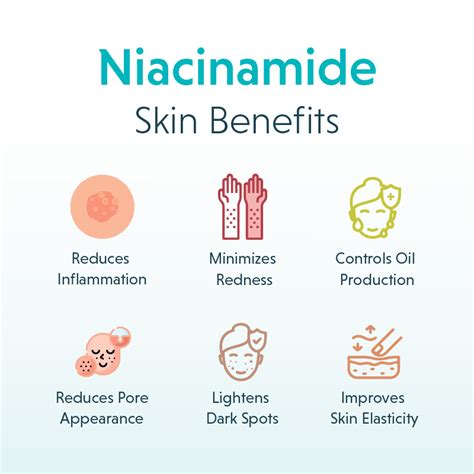
The versatility of niacinamide extends to addressing a range of skin concerns:
Improving Skin Elasticity
Niacinamide has been shown to help widen the spaces between keratin molecules. Keratin is a protein vital for maintaining skin firmness and health. By influencing keratin, niacinamide may contribute to improved skin elasticity.
Reducing Inflammation and Redness
One of the prominent benefits of niacinamide is its ability to reduce inflammation. This property can help alleviate redness and discoloration associated with various skin conditions. Niacinamide may be beneficial in managing inflammatory skin conditions such as:
- Psoriasis
- Atopic dermatitis
- Contact dermatitis
Regulating Oil Production
For individuals with oily skin, niacinamide may offer a solution by helping to regulate the amount of oil produced by the sebaceous glands. While more research is needed, this effect could be particularly helpful for managing shine and preventing breakouts associated with excess oil.
Rebuilding and Protecting Skin Cells
Niacinamide can assist in rebuilding healthy skin cells that have been damaged by environmental factors, including ultraviolet (UV) rays. However, it is crucial to remember that topical niacinamide is not a substitute for sun protection. Continuing to use sunscreen and protective clothing when outdoors remains essential.
Enhancing Skin Appearance
Niacinamide can be effective in treating hyperpigmentation or pigmentation disorders, helping to even out skin tone. Additionally, it may contribute to reducing the appearance of fine lines and wrinkles, promoting a smoother and more youthful complexion.
Protecting Against Oxidative Stress
Niacinamide aids in the development of skin cells while simultaneously protecting them from environmental stressors like sunlight, pollution, and toxins. This protective action helps maintain the skin's overall health and resilience.
Managing Acne
There is potential for niacinamide to be helpful in managing acne. However, further research is required to fully understand this benefit. For some individuals, other specialized acne treatments might be more suitable.

Niacinamide in Soaps and Other Skincare Products
While niacinamide is widely available in serums, it is also incorporated into other skincare products, including cleansers and creams. Niacinamide soaps offer a convenient way to introduce this ingredient into a daily skincare routine.
What to Look for in Niacinamide Products
- Concentration: Niacinamide concentration typically ranges from 1% to 10% in topical products. Most formulations contain 5% or less. Some studies suggest that a 5% concentration can be effective for addressing fine lines, wrinkles, and hyperpigmentation.
- Product Labels: Niacinamide may be listed on product labels as "niacin" or "nicotinamide."
- pH Level: For optimal efficacy and to prevent degradation, niacinamide preparations are best used in products with a pH between 6 and 7.5. Preparations with significantly different pH levels can break down niacinamide and potentially cause adverse reactions.
When using cleansers and creams containing niacinamide, it is important to read each product label carefully and follow all instructions for use.
Serums vs. Soaps
Serums are often considered extra treatments designed to target specific skin concerns beyond basic cleansing, toning, and moisturizing. They are typically applied after toner but before moisturizer. Niacinamide soaps, on the other hand, offer a more foundational approach, cleansing the skin while delivering the benefits of niacinamide.
How to Use Niacinamide Products Safely
It is advisable to contact a doctor before adding niacinamide products to your skincare routine, especially if you have sensitive skin or pre-existing allergies.
Patch Testing
To ensure your skin tolerates niacinamide, performing a patch test is recommended:
- Apply a dime-sized amount of the product to your forearm.
- Wait for 48 to 96 hours.
- If you experience any redness, discoloration, itching, or swelling, wash the area and discontinue use.
- If no adverse effects occur, it is generally considered safe to apply to other areas of your skin.
Understanding Results and Timelines
Significant results from using niacinamide products may not be immediate. While most available research has examined its use over 4 to 12 weeks, there is no exact timeline for seeing changes. If you do not observe any improvements within a couple of months, consulting a dermatologist is advisable. They can assess your skincare routine and offer personalized recommendations.
How to test skin care products at home
Niacinamide vs. Niacin
Despite the similar names, niacinamide and niacin are distinct. Niacinamide is the water-soluble form of niacin (vitamin B3). Unlike niacin, niacinamide does not typically cause flushing, a common side effect associated with niacin treatment.
Dietary Sources and Supplementation
The best way to obtain micronutrients like vitamin B3 is through a balanced diet. Foods rich in niacinamide include meat, fish, eggs, wheat flour, milk, green vegetables, and cereals. However, it can be challenging to guarantee that dietary intake directly impacts specific skin concerns. Topical application is the most direct method to ensure niacinamide targets skincare issues.
Taking niacinamide supplements should only be done under medical supervision. Prescription products containing higher doses of niacinamide are safe when used as directed by a healthcare professional.
Potential Side Effects and Precautions
When Taken by Mouth:
Niacinamide is generally considered safe when taken in appropriate doses. Doses up to 35 mg daily are typically safe. Prescription products with higher doses are safe when used as directed. Doses up to 900-1500 mg daily might cause side effects such as stomach upset, gas, dizziness, headache, and rash.
When Applied to the Skin:
Niacinamide is possibly safe for topical use. Niacinamide cream may cause mild burning, itching, or redness in some individuals.
Special Precautions:
- Pregnancy and Breast-feeding: Niacinamide is likely safe when taken within recommended amounts (30 mg daily for ages 14-18, 35 mg daily for ages 19+).
- Children: Niacinamide is likely safe when taken by mouth in age-appropriate recommended amounts. Avoid exceeding daily upper limits (e.g., 10 mg for ages 1-3, 30 mg for ages 14-18).
- Diabetes: Niacinamide may affect blood sugar levels, so individuals with diabetes should monitor their blood sugar regularly.
- Gallbladder Disease: Niacinamide might exacerbate gallbladder conditions.
- Kidney Dialysis: Niacinamide use in individuals undergoing dialysis may increase the risk of low platelet levels.
- Stomach or Intestinal Ulcers: Niacinamide might worsen ulcers.
Interactions:
Niacinamide can interact with certain medications:
- Blood Thinners (e.g., Warfarin): Niacinamide might slow blood clotting. Combining it with blood-thinning medications could increase the risk of bruising and bleeding.
- Carbamazepine and Primidone: Niacinamide might affect how the body breaks down these medications, although the clinical significance is not always clear.
It is essential to consult with a healthcare provider about potential interactions before combining niacinamide with other medications.
tags: #niacinamide #soap #benefits