Eye rejuvenation is a growing area of interest as individuals seek subtle ways to enhance their appearance without drastic changes. Beyond the common concern of crow's feet, another feature that becomes noticeable during expressions like smiling is the gentle bulge under the eyes, often referred to as the "jelly roll." Understanding this phenomenon and how to address it is key to achieving natural-looking results.
What is the Under-Eye Jelly Roll?
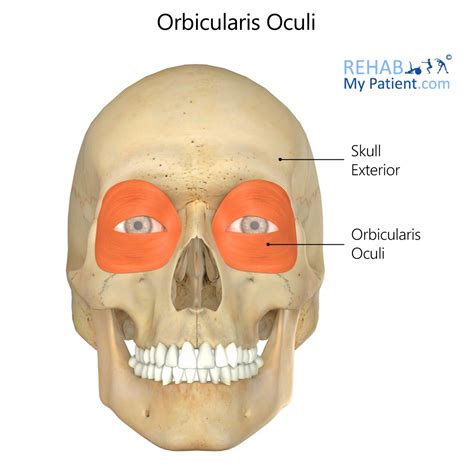
The jelly roll is a subtle band or puff that forms directly beneath the eyelashes when the muscles around the eyes tighten, particularly during smiling or squinting. This occurs due to the contraction of the orbicularis oculi muscle, a muscle that surrounds the eye and plays a significant role in facial expressions. While for some individuals this feature is soft and barely noticeable, for others it can be more pronounced, giving the appearance of under-eye fullness or creasing.
It is important to distinguish the jelly roll from crow's feet. Crow's feet are lines that form at the outer corners of the eyes and can be present both at rest and during expression. Although they originate from the same muscle group, they represent different aesthetic concerns. Botox for crow's feet targets the lines at the sides of the eyes, whereas Botox for the jelly roll specifically refines the lower eyelid region.
Botox for Jelly Roll: A Targeted Approach
Jelly roll Botox involves the precise injection of small amounts of botulinum toxin (such as Botox or Dysport) into the lower portion of the orbicularis oculi muscle, just beneath the eyelashes. This treatment aims to relax the muscle, thereby reducing the rolling or bunching that occurs when smiling.
A small amount of Botox is used, and each injection is administered carefully to ensure that facial expressions remain natural. Patients often appreciate the refreshed look this treatment provides without altering the character of their smile. Many individuals seek this treatment because they notice puffiness or creasing under their eyes specifically when they smile in photographs or during conversation.
Unlike dermal fillers, which add volume, jelly roll Botox gently relaxes the muscle to minimize the dynamic movement that creates the jelly roll. This distinction is crucial, as adding volume when the concern is muscle prominence may not yield the desired results.
Who is a Good Candidate for Jelly Roll Botox?
Ideal candidates for jelly roll Botox are individuals who notice a prominent under-eye bulge when smiling or squinting, which is primarily caused by the contraction of the orbicularis oculi muscle. These individuals often have good skin quality, minimal skin laxity, and are looking for a subtle softening of this dynamic feature.
Younger patients with resilient skin tone and symmetrical muscle movement tend to show the most consistent results. The treatment is particularly appealing to those who want to avoid the volumizing effects of fillers and prefer a treatment that addresses muscle activity directly.
Who is Not a Good Candidate for Jelly Roll Botox?
Certain conditions or anatomical features may make individuals unsuitable candidates for jelly roll Botox. These include:
- Moderate to severe skin laxity or under-eye hollowness.
- Prolapsed fat pads under the eyes, which may worsen with muscle relaxation.
- Dry eye syndrome or existing eyelid dysfunction.
- Pregnancy or breastfeeding.
- Active skin infections or inflammation.
- Autoimmune neuromuscular disorders, such as myasthenia gravis.
- Recent facial or ocular surgeries.
- Temporary exclusions like acute illness, antibiotic use, or recent dermal treatments.
It is essential to differentiate between a jelly roll caused by muscle activity and under-eye bags caused by fat herniation or volume loss, as Botox will not effectively treat the latter.

The Treatment Experience
The treatment process for jelly roll Botox is generally straightforward and brief. After a thorough consultation to discuss goals and assess the specific concerns, the practitioner will perform a series of quick injections. Discomfort is typically minimal, and many patients do not require numbing cream. Most individuals can resume their normal activities immediately after the appointment.
Before and After Treatment
Before the procedure, patients are advised to avoid blood thinners and alcohol to minimize the risk of bruising. Photographic documentation and expression testing (smiling, squinting) are important parts of the consultation to identify the exact cause of the under-eye bulge and plan the treatment.
Visible improvement typically begins within a few days, with full results peaking within 10 to 14 days. Patients can expect a subtle softening of the under-eye bulge during dynamic expressions, while maintaining natural eye movements. It is important for patients to understand that this is a functional correction, and the goal is to gently reduce the bulge, not eliminate all movement.
Post-treatment care is essential for optimal results:
- Avoid touching, rubbing, or massaging the under-eye area for at least 24 hours.
- Refrain from applying eye makeup, concealer, or creams to the treated area on the same day.
- Avoid lying flat or bending over for 4 to 6 hours post-injection.
- Skip intense exercise or physical strain for the initial 24 hours.
- Stay away from saunas, steam rooms, and hot environments for at least 48 hours.
Undereye PRP Injections
Results and Longevity
The results of jelly roll Botox typically last for 6 to 8 weeks, which is often shorter than Botox treatments in other areas of the face. This shorter duration is attributed to the smaller muscle mass and the constant movement of the eye area. Consistent follow-up treatments are necessary to maintain the refined look.
Individual factors such as metabolism, exercise frequency, and facial expressiveness can influence how long the results last. Patients are educated on recognizing the return of muscle activity (the reappearance of the bulge when smiling) to schedule timely re-treatments.
While Botox does not permanently alter muscle structure, consistent treatments can help to weaken overactive muscle movement over time, potentially leading to slightly longer-lasting results even as the Botox wears off.
Combining Treatments for Comprehensive Results
Crow's feet and the jelly roll both originate from the orbicularis oculi muscle. When only one area is treated, the improvement may appear incomplete. Combining treatments can soften the lines at the outer corners of the eyes and refine the lower eyelid movement, leading to a more cohesive and balanced outcome.
For patients with overlapping concerns, such as tear trough shadows or volume loss, complementary treatments like dermal fillers, polynucleotides, microneedling, or skin tightening procedures may be recommended. However, combination therapies should be approached conservatively to avoid under-eye heaviness.
Safe Injection Techniques and Best Practices
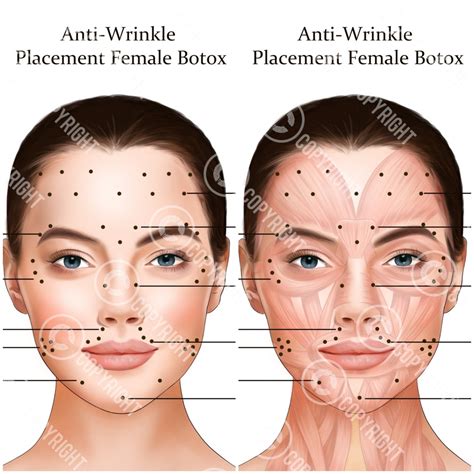
Treating the under-eye area requires precision and a deep understanding of facial anatomy. Practitioners use a fine needle (32G or 33G short needle) and inject superficially, just under the skin, lateral to the mid-pupillary line. Typically, 1-2 units per injection site are used, with a total of 2-4 units per eye, depending on muscle strength and the desired effect.
Key considerations for safe and effective injection include:
- Superficial injections: Targeting the overactive muscles just beneath the skin.
- Small doses: Using the lowest effective dose to achieve results and minimize risks.
- Avoiding medial or deep injections: To prevent diffusion to unintended muscles or affecting eye function.
- Proper patient selection: Crucial for ensuring the treatment addresses muscle activity rather than fat or skin laxity.
Practitioners should be aware of anatomical risk factors, such as the thinness of the skin in this area, which necessitates a more superficial injection technique. Potential complications, though rare with proper technique, can include eyelid ectropion (drooping eyelid) or asymmetry if the toxin diffuses to unintended muscles.
Alternatives to Botox for Under-Eye Concerns
While jelly roll Botox is effective for muscle-induced bulges, other treatments may be more suitable for different under-eye concerns:
- Dermal Fillers: Used to address volume loss, hollowness, and tear troughs.
- Polynucleotides: Injectables that stimulate collagen production to improve fine lines and skin texture.
- Microneedling: Can stimulate collagen and elastin production for improved skin quality.
- Topical Treatments: Retinoids, peptides, vitamin C, and hyaluronic acid can improve fine lines and skin hydration.
- Lasers and Resurfacing: Can improve skin texture, pigmentation, and fine lines.
- Skin Tightening Procedures: Address mild to moderate skin laxity.
It is important to have a thorough assessment to determine the underlying cause of under-eye concerns before selecting the most appropriate treatment.
Medical Aesthetics Training for Jelly Roll Botox
Jelly roll Botox is considered an advanced treatment that requires specialized knowledge and anatomical understanding. Medical aesthetic courses for doctors, such as those offered by HubMed Ed, provide in-depth anatomical knowledge, safety protocols, and practical training for mastering this technique. These courses emphasize proper patient selection, safe injection techniques, and complication management, ensuring practitioners can achieve predictable and safe results in this delicate treatment area.
Frequently Asked Questions
What are the cons of jelly roll Botox?
The main drawbacks include its short duration (typically 6-8 weeks) and the risk of overcorrection, which can lead to unnatural flatness or minor changes in eye function. If poorly executed, it may also result in an undesirable "dead-eye" smile.
Is jelly roll Botox painful?
Most patients report only mild discomfort. The small needle size and superficial injection depth generally make the procedure well-tolerated, and numbing cream is often not required.
What not to do after jelly roll Botox?
After treatment, avoid touching, rubbing, or massaging the treated area for 24 hours. Refrain from applying makeup, lying flat, bending over, or engaging in strenuous exercise for several hours. Avoid heat exposure (saunas, steam rooms) for at least 48 hours.
Is Jelly Roll Botox new?
While the technique has been used off-label for some time, it has recently gained significant popularity, driven by social media and a growing demand for targeted, natural-looking under-eye treatments.
Where should you never get Botox?
Botox should never be injected into areas without precise muscular mapping or where it could affect vital functions. This includes areas around the levator palpebrae muscle (which lifts the eyelid) or too medially near the tear duct, due to the risk of unintended side effects like eyelid ptosis or vision changes.