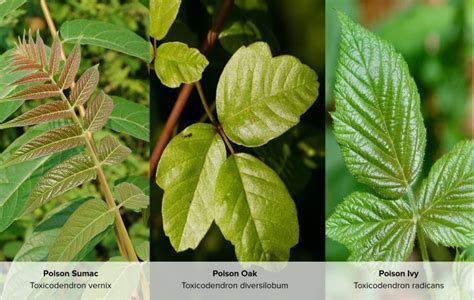
Contact dermatitis is a common skin condition that can be caused by contact with various substances. One of the most prevalent forms is urushiol-induced contact dermatitis, also known as Toxicodendron dermatitis or Rhus dermatitis. This type of allergic contact dermatitis is triggered by urushiol, an oily resin found in plants belonging to the Toxicodendron genus, most notably poison ivy, poison oak, and poison sumac. The name "urushiol" itself is derived from the Japanese word for the sap of the Chinese lacquer tree.
Like all contact dermatitis, urushiol-induced rashes are a Type IV hypersensitivity reaction, also referred to as delayed-type hypersensitivity. This means the immune system's reaction to the urushiol oil is not immediate but develops over time.
What Causes Urushiol-Induced Contact Dermatitis?
The primary cause of this dermatitis is exposure to urushiol, an oil present in the leaves, stems, and roots of poison ivy, poison oak, and poison sumac. Even the Chinese lacquer tree contains this potent allergen. The oil is sticky and can easily adhere to the skin, clothing, tools, and even pet fur.
Exposure to urushiol can occur through several means:
- Direct contact with the plants: Touching any part of poison ivy, poison oak, or poison sumac.
- Contact with contaminated objects: Touching items that have urushiol on them, such as gardening tools, clothing, shoes, or pet fur. Urushiol can remain active on surfaces for a year or more.
- Inhaling smoke from burning plants: Burning these plants releases urushiol into the air, which can cause systemic reactions and rashes in the throat and eyes. While high temperatures may incinerate the oil, smoldering fires can vaporize it and spread it as smoke.
It's important to note that the fluid within blisters does not contain urushiol and therefore cannot spread the rash. Similarly, the rash itself is not contagious and cannot be transmitted from person to person through touching the rash or blisters.
Symptoms of Urushiol-Induced Contact Dermatitis
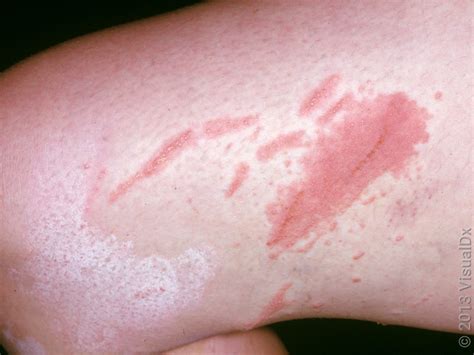
The symptoms of urushiol-induced contact dermatitis can vary in intensity depending on an individual's sensitivity and the degree of exposure. The reaction typically manifests as an itchy, inflamed rash.
Common symptoms include:
- Itching: This is often the first and most intense symptom, occurring where the rash will eventually appear.
- Redness and swelling: The affected skin area becomes red and may swell.
- Papules and vesicles: Small, raised bumps and fluid-filled blisters can develop.
- Oozing: The blisters may break open, ooze fluid, and then crust over.
- Burning sensation: In severe cases, a burning sensation may be experienced.
The rash often appears in linear streaks, reflecting the pattern of the plant brushing against the skin. However, if the oil is transferred from contaminated objects, the rash may be more widespread.
Rash Development and Progression
The onset of symptoms can vary. For individuals who have never been exposed to urushiol before, it may take 10 to 21 days for a reaction to occur. However, once a person is sensitized, subsequent exposures typically result in a rash appearing within 48 to 72 hours. New lesions can continue to develop for two to three weeks due to a slow reaction to the oleoresins or repeated contact with contaminated surfaces.
The rash typically progresses through several stages:
- Itching: Intense itching precedes the appearance of the rash.
- Rash: A red, bumpy, and often blistering rash develops.
- Fluid-filled blisters: Blisters may form, break open, and ooze fluid.
- Crusting and lingering itch: The blisters crust over, and itching may persist.
The entire course of the rash typically takes one to two weeks to resolve, though severe cases may lead to scarring.
Diagnosis of Contact Dermatitis
A healthcare provider can often diagnose contact dermatitis based on a patient's history and a physical examination of the rash. They may ask questions to help identify the cause of the condition and uncover clues about the trigger substance. Questions might include when the symptoms started, what activities the patient was engaged in, and potential exposures.
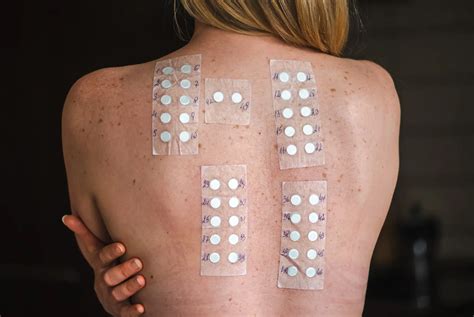
If the cause of the rash is not apparent or if the rash recurs frequently, a healthcare provider may recommend a patch test. This is a crucial test for assessing allergic contact dermatitis.
Patch Testing
Patch testing involves applying small amounts of potential allergens to sticky patches, which are then placed on the skin, usually the back. These patches remain on the skin for 2 to 3 days, during which time the patient must keep their back dry. The healthcare provider will then assess the skin for reactions. It's important to note that reactions can take 4 to 5 days to become apparent, so patients may need to be seen multiple times during the week-long testing period.
Treatment for Urushiol-Induced Contact Dermatitis
Treatment for urushiol-induced contact dermatitis focuses on relieving symptoms and preventing further exposure. The approach to treatment depends on the severity of the rash.
Home Care and Self-Treatment
For mild cases, several home care steps can provide relief:
- Avoid the irritant or allergen: Identifying and staying away from the substance causing the rash is the most critical step. Your healthcare provider may provide a list of products that typically contain the offending substance.
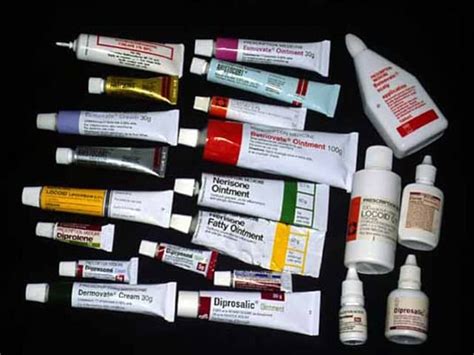
- Apply an anti-itch cream or ointment: Over-the-counter products containing 1% hydrocortisone cream or ointment (e.g., Cortizone 10) can be applied to the itchy area 1 to 2 times a day for a few days. Calamine lotion is another option.
- Take an anti-itch drug: Oral antihistamines, such as diphenhydramine (e.g., Benadryl), may help reduce itching and can also aid in sleep.
- Apply cool, wet compresses: Soaking the affected area in cool water for 20 minutes can soothe the skin.
- Protect your skin: Avoid scratching, as this can lead to infection. Trim nails and cover intensely itchy areas with a dressing if necessary. Leave blisters intact.
- Soak in a soothing cool bath: Baths with colloidal oatmeal or baking soda can help relieve itching and irritation.
- Rinse and dry hands well: After washing hands, rinse and dry them gently. Use moisturizers throughout the day, even over medicated creams.
Medical Treatment
If home care steps do not alleviate symptoms, a healthcare provider may prescribe medications:
- Steroid creams or ointments: Prescription topical steroids, such as clobetasol 0.05% or triamcinolone 0.1%, can be applied to the skin to reduce inflammation and soothe the rash.
- Pills: In more severe cases or when the rash is widespread, oral corticosteroids like prednisone may be prescribed to suppress the immune response and reduce inflammation.
Preventing Urushiol-Induced Contact Dermatitis
Prevention is key to avoiding the discomfort and complications associated with urushiol-induced contact dermatitis. Learning to identify and avoid poison ivy, poison oak, and poison sumac is crucial.
Tips for Prevention
- Learn to identify the plants: Familiarize yourself with the appearance of poison ivy, poison oak, and poison sumac in all seasons.
- Stay on cleared pathways: When hiking or engaging in outdoor activities, try to stick to marked trails.
- Wear protective clothing: Long pants, long sleeves, socks, and closed-toe shoes can create a barrier against urushiol. Ensure clothing is tucked into boots if possible.
- Use barrier creams: Products like bentoquatam 5% cream (Ivy Block) can be applied to exposed skin to create a protective layer against urushiol. Reapplication may be necessary.
- Wash skin immediately after exposure: If you suspect contact with urushiol, wash the affected skin gently with soap and lukewarm water as soon as possible. Thoroughly wash under fingernails as well. Alcohol-based wipes can be used if soap and water are unavailable.
- Clean contaminated items: Wash clothing, tools, shoes, and any other items that may have come into contact with urushiol promptly with soap and water.
- Wash pets: If your pet may have brushed against poisonous plants, wash their fur with pet shampoo and water while wearing protective gloves. Urushiol can stick to pet fur and be transferred to humans.
- Use appropriate gloves: For yard work or gardening, opt for heavy-duty vinyl gloves instead of latex or rubber, as urushiol can penetrate these materials.
How to Identify, Treat & Cure Poison Ivy, Poison Oak, Poison Sumac
Potential Complications
While most cases of urushiol-induced contact dermatitis resolve without significant issues, complications can arise:
- Infection: Scratching the rash can break the skin, allowing bacteria to enter and cause a secondary infection. Signs of infection include increased redness, swelling, pain, warmth, and pus oozing from the blisters. Antibiotics may be prescribed to treat bacterial infections.
- Severe reactions: In rare instances, a severe reaction can occur, leading to difficulty breathing or swallowing. This is a medical emergency requiring immediate attention.
- Eye involvement: If urushiol comes into contact with the eyes, it can cause significant inflammation and irritation.
tags: #urushiol #contact #dermatitis