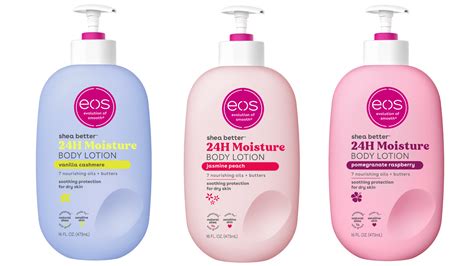
The skin serves as our body's primary defense against external elements, producing natural oils and moisturizers that form a protective barrier to prevent dehydration. The consistency of skincare products is largely determined by the types of oils and butters used in their formulation.
Understanding Lotions and Creams
A key distinction in moisturizing products lies between lotions and creams. Creams are characterized by their high viscosity, containing a larger percentage of oil and less water, making them significantly thicker than lotions. Due to their rich consistency, creams are typically stored in jars and are too thick to be dispensed from bottles or pumps. Their substantial moisturizing properties make them particularly suitable for dry skin, offering enhanced protection.
In contrast, lotions are low-viscosity products with a higher percentage of purified water, resulting in a thinner consistency. This allows them to be spread more easily over larger areas of the body and are usually packaged in squeeze bottles or pumps. Lotions are lighter and less oily than creams, making them a suitable choice for individuals with normal skin who primarily need to maintain moisture levels. Their ease of application makes them ideal for areas of the body that are covered in hair or affected by mild dryness. Generally, unless your face or body is extremely dry, a lotion should suffice instead of a cream.
Facial Skincare vs. Hand and Body Moisturizers
Facial lotions are formulated to be lighter than hand and body lotions. Incorporating a facial moisturizer into a skincare routine is important, especially for men, as the face is subjected to daily stressors like shaving, which necessitates the use of appropriate post-shave skincare. Products containing ingredients like ARGIRELINE® offer a safer, more affordable, and gentler alternative to more invasive cosmetic procedures.
The hands are particularly susceptible to showing signs of aging and require consistent care due to frequent washing, which strips away natural moisture. Since the skin on the palms and fingers needs oil to remain supple and prevent chafing or cracking, using a hand moisturizer that replenishes lost oils is highly recommended. Hand moisturizers are typically formulated with a thicker consistency than facial lotions. Applying a thick hand lotion to the face can potentially clog pores, leading to the development of blackheads and acne.
Body Lotion and Its Application
Many men may overlook body lotion application because the body is typically covered by clothing. However, if your skin is naturally healthy, skipping body lotion might not be a significant issue. A good, natural men's body moisturizer can help prevent the urge to fidget and scratch dry or itchy skin. It is advisable to avoid petroleum-based products such as Vaseline.

Can Hand Lotion Be Used on the Body?
The direct answer to whether hand lotion can be used on the body is generally yes, though there are nuances to consider regarding hand lotion versus body lotion. Hand lotions are often thicker than body lotions because they are designed to provide lasting moisture through multiple hand washings throughout the day.
While each type of moisturizing lotion is formulated for a specific purpose, using hand lotion on your body occasionally is unlikely to cause harm, provided it is suitable for your skin type. For instance, a water-based product is recommended for oily skin, while an oil-based moisturizer is better suited for dry skin. It is always best to choose skincare products made from natural ingredients and to avoid artificial components. Dehydrated skin can appear fatigued and aged, underscoring the importance of consistent moisturization.