A consistent skincare routine is instrumental in enhancing both the health and appearance of your skin. However, selecting the most suitable products for your individual needs and skin type can feel daunting, especially with the vast array of ingredients available. Recognizing that these ingredients offer complementary benefits might lead one to believe that using them together could amplify their positive effects. Yet, if you've encountered older advice suggesting a contraindication between vitamin C and niacinamide, you might question the safety and efficacy of using both.
These ingredients are prominent in numerous skincare products, making it essential to ensure their safe integration into your routine as you explore new formulations. The good news is that you can indeed use products containing vitamin C alongside those with niacinamide in your skincare regimen.
This article will delve into the specific benefits each ingredient offers for the skin and provide guidance on how to effectively incorporate them into your routine.
Why the Confusion About Combining Vitamin C and Niacinamide?
Dr. Meena Singh, a board-certified dermatologist and dermatologic surgeon at KMC Hair Center, explains the origin of this concern: "This stems from outdated research using pure forms of niacinamide with ascorbic acid. They were combined at a very high temperature and shown to form nicotinic acid, which can lead to skin irritation." Fortunately, as skincare products are typically stored and used at room temperature, the risk of forming nicotinic acid when combining them at home is minimal. Dr. Singh emphasizes that you can absolutely use vitamin C and niacinamide together. However, she advises consulting a dermatologist if you ever have doubts about the safety of mixing skincare ingredients.
Now that you know it's safe to use both ingredients, let's explore their individual benefits for your skin.
The Benefits of Vitamin C for Skin
Pro-Aging Support
Vitamin C can boost collagen production, which aids in firming the skin and diminishing the appearance of fine lines and wrinkles.
Brightening Skin
Vitamin C helps reduce hyperpigmentation, or darkened areas of the skin, and combats dullness, contributing to a radiant complexion.
Reducing Inflammation
Vitamin C can help alleviate blotchy or inflamed patches of skin. However, it's important to note that it may cause irritation for those with sensitive skin.
Reducing the Appearance of Scars
By accelerating wound healing, Vitamin C can ultimately help fade scars resulting from acne and other skin damage.

The Benefits of Niacinamide for Skin
Improved Hydration
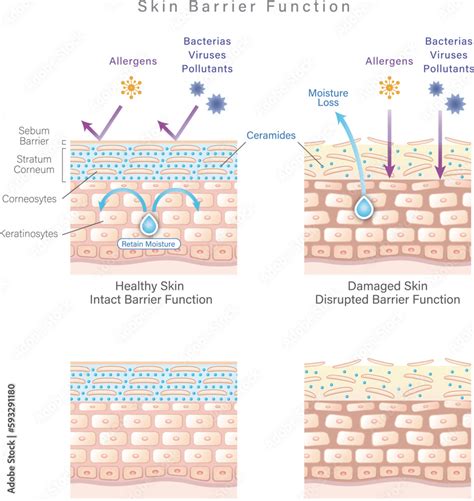
Niacinamide hydrates the skin and strengthens its barrier function, which helps prevent moisture loss.
Reduced Hyperpigmentation
Similar to vitamin C, niacinamide helps to even out skin tone by reducing areas of hyperpigmentation.
Aging Support
Niacinamide can also help reduce the appearance of wrinkles, fine lines, and other signs of skin aging.
Shrink the Appearance of Pores
While it's impossible to truly shrink pore size, topical niacinamide can help make them appear smaller.
Reduced Acne
Niacinamide is a potential treatment for acne, as it can help regulate sebum production, leading to fewer breakouts. It also helps improve redness and swelling associated with acne.
Reduced Facial Redness
Due to its anti-inflammatory properties, niacinamide is beneficial for addressing redness, discoloration, flushing, and inflammation caused by conditions like rosacea.
Incorporating Vitamin C and Niacinamide into Your Routine
When adding these ingredients to your skincare routine, a general guideline is to apply products with thinner formulations first. It's also common to find products, such as serums or masks, that contain both vitamin C and niacinamide.
Key Considerations When Introducing New Products:
- Pace Yourself: Introduce one new product at a time, waiting at least a week before adding another. For sensitive skin, consider extending this period by an additional week or two. Begin with once-daily application, or every other day. Even if your skin tolerates products well, starting slowly allows it to adjust, especially when using multiple products.
- Always Perform a Patch Test: Before applying a new facial product to your entire face, test it on a small area, such as behind your ear or along your jawline. Apply a small amount and wait at least 24 hours. If no irritation occurs, proceed with using it on your face.
- Consider Safe Storage: Always check product labels for recommended storage instructions. Dr. Singh notes that while most skincare products use stable forms of vitamin C, it's still advisable to store products containing vitamin C at room temperature, away from direct sunlight, as it can become unstable when exposed to light and oxygen.
It's important to acknowledge that skincare products may not suit every individual's skin, even those containing ingredients like vitamin C and niacinamide, which are known for their benefits. Factors such as skin type, genetics, and existing skin conditions can influence how a product performs for you. This underscores the importance of patch testing and closely monitoring your skin for any signs of adverse reactions. While immediate effects may not be apparent, increased breakouts or irritation could manifest days or weeks later.
According to Dr. Singh, skin irritation is the most common side effect associated with both niacinamide and vitamin C. Redness, discoloration, itching, or stinging during a patch test suggest that the product may not be compatible with your skin. If you experience irritation after using a skincare product, it's best to discontinue use and consult a dermatologist before trying it again.
Niacinamide for Eye Creams: A Specialized Approach
The under-eye area is particularly susceptible to signs of fatigue, stress, and aging. While various methods exist for addressing puffiness, niacinamide has emerged as a significant ingredient in advanced eye care formulations.
Niacinamide, also known as Vitamin B3, has earned its place in eye creams for its multifaceted benefits. This article will explore these benefits and how niacinamide addresses concerns such as fine lines and dark circles, contributing to more effective under-eye care.
What Is Niacinamide?
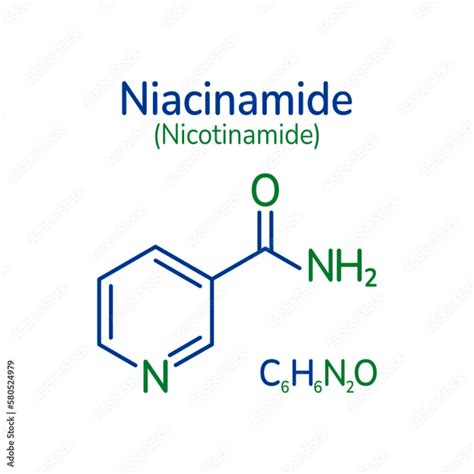
Niacinamide is a form of Vitamin B3 that is highly beneficial for the skin. It penetrates the skin's surface to interact with cells at a fundamental level, improving skin function and appearance. This water-soluble vitamin is naturally found in foods like mushrooms, fish, and green vegetables. When formulated into eye creams, it becomes a potent tool for addressing multiple concerns around the delicate eye area without typically causing irritation.
5 Key Benefits of Niacinamide Eye Creams
1. Tackles Dark Circles and Pigmentation
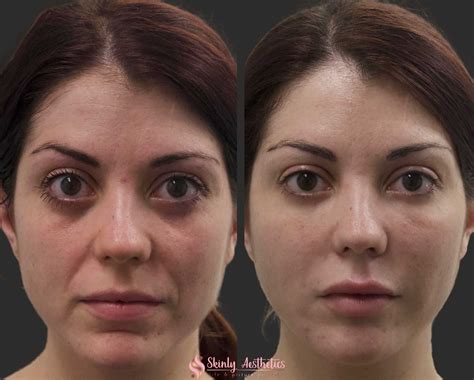
Niacinamide effectively evens out skin tone by inhibiting melanin transfer to the skin's surface, helping to diminish stubborn dark circles. For individuals genetically predisposed to under-eye darkness, niacinamide can brighten and improve the appearance of discoloration over time.
2. Boosts Collagen Production
One of niacinamide's most significant benefits is its ability to stimulate collagen production. This is crucial for the eye area, where collagen loss contributes to fine lines and crepiness. Regular use helps firm and plump the delicate under-eye skin, reducing the appearance of fine lines and wrinkles.
3. Strengthens Your Skin Barrier
The skin around the eyes is thinner than elsewhere on the face, making it more vulnerable to damage. Niacinamide strengthens the skin's natural barrier by increasing ceramide production. This enhances moisture retention and provides protection against environmental stressors, which is vital for maintaining healthy and resilient under-eye skin, especially when following anti-aging routines.
4. Reduces Puffiness and Inflammation
Niacinamide's anti-inflammatory properties help calm swollen under-eyes. By reducing inflammatory markers in the skin, it is particularly beneficial for those experiencing morning puffiness or general inflammation around the eyes.
5. Fights Free Radical Damage
As an antioxidant, niacinamide helps protect the delicate eye area from environmental damage. It neutralizes harmful free radicals that can accelerate aging, thereby helping to prevent premature fine lines and maintain skin health around the eyes. This makes it an excellent complement to daily sun protection, especially for the eye area where environmental damage is often most visible.
Niacinamide and Retinoids: A Synergistic Eye Cream Duo
For comprehensive anti-aging eye care, combining niacinamide with retinoids (such as low-strength tretinoin) creates a highly effective treatment. While each ingredient is potent on its own, their combined action is even more impressive.
Niacinamide Acts as a Protective & Nourishing Buffer
While retinoids work to increase cell turnover and stimulate collagen production, niacinamide helps counteract common side effects like dryness and irritation. This buffering effect is particularly important for the delicate eye area, where sensitivity to retinoids can be a concern. Niacinamide essentially acts as a protective buffer, allowing for the full benefits of retinoids without an uncomfortable adjustment period.
Both Work to Target Anti-Aging Through Different Mechanisms
Retinoids excel at reducing fine lines and wrinkles, while niacinamide addresses uneven tone and supports hydration. Together, they offer a more comprehensive approach to rejuvenating the eye area than either ingredient could achieve independently.
How to Choose the Right Niacinamide Eye Cream
When selecting a niacinamide eye cream, the formula is more critical than packaging. To maximize the benefits, look for products that combine niacinamide with other active ingredients targeting multiple eye area concerns simultaneously.
Concentration Considerations
For niacinamide eye creams, an optimal concentration is around 2%. The eye area's thinner and more sensitive skin benefits from this concentration, which can provide key advantages like brightening, barrier repair, and collagen support without risking excessive irritation. Higher concentrations are not necessarily better for the eye area and could potentially cause unnecessary sensitivity.
The best eye creams pair niacinamide with:
- Caffeine: To reduce morning puffiness and dark circles.
- Vitamin C: For enhanced brightening and antioxidant protection.
- Soothing Botanicals: Such as chamomile, to calm and comfort the skin.
- Anti-aging Ingredients: Like peptides or low-dose retinoids.
- Firming Agents: Such as DMAE, for immediate under-eye tightening.
Be aware of potential red flags:
- Heavy Fragrances: These can irritate sensitive eye areas.
- Single-Ingredient Formulas: These may only address one specific concern.
- Unstable Packaging: Packaging that compromises active ingredients.
- Vague Ingredient Lists: Lacking clear concentrations.
The Bottom Line: Benefits of Niacinamide Eye Creams
Niacinamide eye creams offer a potent solution for various under-eye concerns. From tackling stubborn dark circles to supporting collagen production, this gentle yet effective ingredient works at a cellular level to transform the delicate eye area. Key benefits include dark circle reduction, collagen support, barrier strengthening, and inflammation calming. When formulated at an optimal concentration, typically around 2%, niacinamide delivers these benefits without irritating the sensitive eye area.
For those seeking to maximize results, consider a professionally formulated eye cream that combines niacinamide with complementary active ingredients. Niacinamide has gained significant popularity in skincare for its ability to improve skin health in numerous ways. Available in various products, this multitasking nutrient offers substantial benefits.
What Is Niacinamide Good For?
Aesthetician Ashlyn Yanke explains that niacinamide can protect the skin barrier, calm redness, and more.
What is niacinamide?
Niacinamide is a form of vitamin B3, one of eight B vitamins essential for overall health. Your body produces niacinamide from excess niacin, which is obtained from foods like whole grains, meat, and milk. Tryptophan, an amino acid, can also be converted into niacinamide. In skincare, niacinamide is applied topically.
"Niacinamide is one of those ingredients found in many skincare products to brighten skin, prevent signs of aging, and treat conditions like eczema or acne," Yanke explains. "Niacinamide has been around for years and has staying power, given its positive impacts on many skin conditions."
Niacinamide Benefits
Supports Your Skin Barrier
Niacinamide enhances the function of the skin's lipid barrier, a protective layer of water and oil. This barrier helps lock in moisture and prevent irritants from entering, leading to more hydrated and less sensitive skin. A strong skin barrier supports natural repair processes, helps retain moisture, and defends against daily stressors. It also improves the absorption and efficacy of skincare products, promoting healthier, more balanced skin. "When the skin barrier is damaged, skin struggles to retain moisture and protect itself from irritants," Yanke notes. "This can lead to dryness, sensitivity, redness, and increased breakouts."
Calms Redness
Niacinamide has demonstrated anti-inflammatory properties, which help calm redness associated with conditions like acne, rosacea, and eczema. It can also soothe irritation caused by potent exfoliants like retinol or glycolic acid.
Reduces the Appearance of Pores
While pores cannot be permanently reduced in size, niacinamide can minimize their appearance by promoting smoother, clearer skin. "Niacinamide helps reduce the appearance of pores in a few ways. By strengthening the skin barrier and improving elasticity, pores appear less noticeable and more even," shares Yanke. "It also boosts cell turnover, which smooths skin texture and keeps pores clear. As a result, the skin looks smoother, with a more even complexion and visibly smaller pores."
Regulates Oil Production
Niacinamide may help regulate sebum production, preventing breakouts and clogged pores. "Niacinamide helps regulate oil production by supporting the skinâs natural balance. It regulates sebaceous gland activity by signaling the skin to stay hydrated, reducing the need for excess oil," says Yanke. "It also calms inflammation, making the skin less reactive, and supports overall barrier health, which helps maintain balanced oil levels over time."
Treats Dark Spots
Niacinamide is a dermatologist-approved ingredient for brightening skin tone. Research suggests that skincare formulas with 5% niacinamide can help lighten dark spots. In one study, a combination of skin brighteners, including retinol and niacinamide, reduced dark spots and fine lines while improving skin radiance and texture.
Reduces Wrinkles and Fine Lines
The antioxidant properties of niacinamide may help protect the skin and aid its recovery from damage caused by aging, sun exposure, and stress. Applying topical niacinamide can improve the appearance of fine lines and wrinkles, as well as skin sallowness. "Niacinamide helps reduce the appearance of fine lines and wrinkles by boosting collagen production, which improves elasticity, and by supporting a healthy skin barrier that keeps skin hydrated and plump," she adds. "Creating a plump look on the skin helps soften the appearance of any fine lines and wrinkles. Niacinamide also increases cellular turnover, smoothing texture and helping the skin look brighter and more youthful."
Niacinamide Side Effects
Niacinamide is generally considered gentle and safe for topical use. Rarely, it can cause an allergic reaction, itching, mild burning, or redness. "If youâre concerned about potential side effects, do a patch test by applying a small amount on your forearm and waiting 24 hours," Yanke advises. "Most of the time, youâll be able to use niacinamide safely and discover your skin is all the better for it."
How to Use Niacinamide
Most skincare products contain 5% niacinamide or less, though concentrations can vary. If you have sensitive skin, start with a low concentration. It's often beneficial to pair niacinamide with other skincare products to maximize its benefits, including:
- Antioxidants
- Vitamin C
- Moisturizers with ceramides
- Glycolic acid
- Hyaluronic acid
- Retinol
Generally, niacinamide can be used once or twice daily after gentle cleansing as part of your regular skincare routine. To maximize its benefits, apply niacinamide after your moisturizer. You can also combine a niacinamide serum with your moisturizer and apply them together to your face and neck. Alternatively, a face mask containing niacinamide can be used for skin recovery and relaxation. "You can even find niacinamide in some sunscreens these days," notes Yanke. "Just make sure youâre not using too many skincare products with it at once."
HOW TO LAYER VITAMIN C, NIACINAMIDE & RETINOL IN ROUTINE 🤔🧐 #retinol #vitaminc #niacinamide
Key Takeaways
Niacinamide is a versatile skincare ingredient proven to strengthen, smooth, and brighten the skin. "You can use niacinamide for skin issues, and it can help nourish and protect your skin, especially when itâs used with other products like retinol," says Yanke.