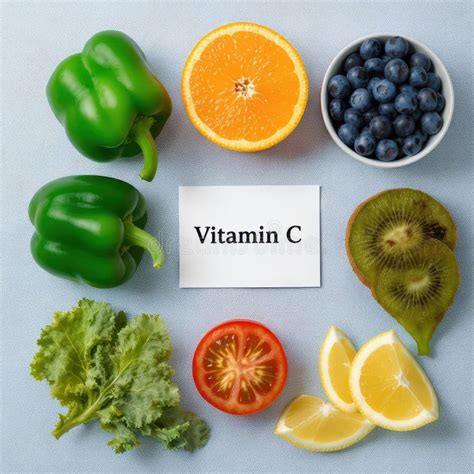
Learning how to use Vitamin C the right way is a worthy skin endeavor. The expert-approved ingredient is the gold standard for brightening up a dull complexion and erasing sun spots, especially as the years go on, and it's a natural collagen booster. In short, getting familiar with the powerhouse antioxidant is essential for any robust skincare strategy.
“Vitamin C is perhaps the most potent topical antioxidant we have,” says dermatologist Joshua Zeichner, MD. “It neutralizes free radical damage and protects the skin against UV light and other environmental aggressors, as well as blocking abnormal production of pigmentation to even skin tone and fade dark spots.”
And while it’s best known for brightening, it can also be instrumental in skin firming, adds Los Angeles facialist Kate Somerville. “I have used Vitamin C in my clinic for years to help with elasticity and tighten the skin around the neck and décolletage,” she says.
Though it does come with a few potential downsides, such as being irritating for those with sensitive skin or if you are using a strong percentage of it, leading to redness, stinging, or breakouts if you’re not careful, this should not deter you. It’s all about finding the best product for you and your skin. “Everyone can benefit from Vitamin C,” says Shereene Idriss, MD, a New York City-based board-certified dermatologist and founder of Dr. Idriss skincare. “It’s a staple in any skincare routine, no matter your age. You just need to find the right form for your skin type.”

Choosing the Right Vitamin C Serum
Concentration is Key
Identifying the right concentration for your skin type is essential to how effective your topical Vitamin C will be, says New York City dermatologist Dr. Patricia Wexler. "Begin with a low concentration of 10% and increase to 15% or 20% as tolerated," she instructs. For oily or normal skin, L-ascorbic acid is the most potent form of Vitamin C and can be the most beneficial, while for dry and sensitive skin, magnesium ascorbyl phosphate, a water-soluble Vitamin C, is less irritating.
Understanding pH Levels
Absorption of a Vitamin C serum is largely contingent on its pH level. If you have normal skin, look for one with a low pH of approximately 3.5 for optimal absorption. If you have sensitive skin, you should use a formula with a pH of 5 to 6. “This is the skin's natural pH and will not be as irritating,” says Wexler.
Opt for a Serum Formulation
Serums are the most common type of Vitamin C product. They're designed to deliver a high concentration of actives in a simple, layerable form: they "keep that ingredient stable and enhance penetration through the outer skin layer," says Zeichner. As far as complementary ingredients are concerned, Wexler believes Vitamin C works best in combination with Vitamin E, Ferulic Acid, Vitamin B, and Hyaluronic Acid. “Vitamin C and E are both antioxidants and support each other,” she explains, adding that ferulic acid is another antioxidant which boosts and stabilizes both Vitamin C and Vitamin E in fighting free radical damage and collagen production. That being said, sensitive skin types might benefit from mixing their serum into a moisturizer, or opting for a Vitamin C-infused moisturizer for gentler delivery.
Incorporating Vitamin C into Your Routine
Start Slowly
Regardless of the sensitivity of your skin, a gradual testing of new ingredients is always advisable. "With any active, it’s important to start slowly when incorporating ingredients into your routine," says Somerville. “I’ve seen some amazing results with clients who've added Vitamin C into their regimen at three times a week and worked up to daily use.” To that end, don't expect instant gratification. “It takes several weeks of continuous use to start to see improvement in skin tone,” says Zeichner, adding that because it's a key ingredient for prevention, some of Vitamin C's benefits will be imperceptible.
Proper Storage is Crucial
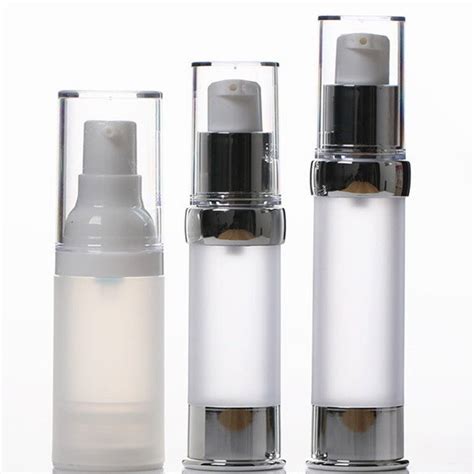
Vitamin C serums come in two broad categories: water-based and anhydrous (which means “without water”). The former is more unstable and light-sensitive, and is typically held in opaque or amber-colored bottles for that reason, while the latter tends to be more stable, even in the presence of sunlight. No matter what kind you opt for, ensuring your Vitamin C is stabilized and kept airtight in a dark, cool space is essential. “If the color becomes dark or cloudy it has already oxidized,” cautions Wexler, adding that the same is true if you detect a rancid odor. Packaging matters, too. According to board-certified dermatologist Dr. Whitney Bowe, traditional droppers can speed up oxidization and cause the antioxidant to break down, so opt for airless pumps when possible.
Layering with SPF
Unlike hydroxy acids or retinol, Vitamin C does not make the skin more vulnerable to sunburn. The most potent forms of Vitamin C itself, though, are vulnerable to light exposure, making broad-spectrum UVA/UVB coverage worn in conjunction with the ingredient a must. The good news is that, when layered underneath sunscreen with a minimum of SPF 30, Vitamin C protects the skin even further. “Think of it as a safety net to help neutralize free radical damage that can occur from UV light penetration despite our best protection efforts with sunscreen,” says Zeichner.
The Morning Advantage of Vitamin C Serum
Adding a Vitamin C serum to your morning skincare routine can provide a plethora of benefits for your skin. Not only does it offer antioxidant protection throughout the day, but it also helps in preparing your skin to combat environmental stressors that it may encounter. Furthermore, the use of Vitamin C serum in the morning can enhance the effectiveness of your sunscreen. Vitamin C has been shown to boost the photoprotective properties of sunscreen, making it an excellent companion for your sun protection routine. Using Vitamin C serum at night can also be a beneficial addition to your skincare routine, particularly for stimulating collagen production, which is crucial for maintaining skin elasticity and firmness.
When deciding the best time to use Vitamin C serum, it is essential to consider your skin type. Those with sensitive skin may prefer to use it at night to minimize any potential irritation. However, for most individuals, applying Vitamin C serum in the morning is highly recommended. Dr. Henry agrees and adds that it’s most beneficial in the morning before your moisturizer and sunscreen. “That way it can really penetrate clean skin and boost the effectiveness of your SPF to protect you from environmental stressors throughout the day,” she says.
Vitamin C serum is known for its brightening properties, making it a popular choice for individuals looking to achieve a radiant complexion. It evens out your skin tone, reduces the appearance of dark spots and hyperpigmentation by preventing the synthesis of melanin, the pigment responsible for skin color. Using a Vitamin C serum in the morning can work wonders as this potent antioxidant neutralizes free radicals that trigger oxidative stress and damage skin cells.
Collagen is a protein necessary for the proper functioning of your epidermis. Your body produces less collagen as you get older, which causes the appearance of fine lines, wrinkles, and sagging skin. Collagen also helps the skin heal itself after sun damage. Vitamin C is a key component in collagen synthesis, the process responsible for maintaining the skin's structure and elasticity.
Vitamin C can help enhance skin texture by promoting cell turnover and exfoliation. It works by dissolving the bonds that hold dead skin cells together, enabling them to be easily broken away. Having a morning skincare routine with Vitamin C can help you kickstart your day with smoother, even-textured skin.
UV radiation from the sun can cause significant harm to your skin, including premature aging, fine lines, wrinkles, and sunburn. By combating free radicals and minimizing inflammation, Vitamin C can offer some defense against the harmful impact of UV radiation. While Vitamin C cannot replace your sunscreen, including it in your morning skincare routine can provide additional protection against sun damage.
Vitamin C / Ascorbic acid Animation - Metabolism,Sources, Synthesis , functions, Scurvy
Application and Usage
When to Apply
Dr. Idriss says that this will depend on the type of Vitamin C product you’re using. If you’re using a Vitamin C serum, she says that you’ll want to use it right after cleansing your face. If you’re using a Vitamin C moisturizer, she says it can double as your hydrator and treatment step. As stated, morning application is often preferred for its protective benefits throughout the day.
Where to Apply
With Vitamin C, it’s actually best to use it all over rather than spot treat. “You want those brightening and protective benefits everywhere,” says Dr. Henry. “Avoid spot treating unless it’s a targeted formula. Vitamin C really shines when used consistently across the whole face.” Dr. Idriss recommends extending those Vitamin C benefits by using it on the neck and chest. “Your face, neck, and chest are one cosmetic unit,” she says.
Daily Use
Yes, you can use Vitamin C every day. In fact, it’s how you can reap the most benefits. “That’s how you’ll get the best results,” explains Dr. Henry. “Start with every other day if you’re new to it, and work your way up. Once your skin gets used to it, daily use in the morning is ideal.” And if you really want to get the most out of your Vitamin C, Dr. Idriss even recommends using Vitamin C twice a day daily if your skin can tolerate it.
Ingredient Compatibility
Vitamin C generally plays well with others. Dr. Zeichner notes that Vitamin C, when formulated correctly, is stable and effective. While it can be paired with other actives, it’s important to consider individual skin sensitivity and product formulations. For instance, some may find combining Vitamin C with AHAs or BHAs too potent, while others tolerate it well. It's often recommended to use Vitamin C in the morning and retinoids at night to maximize benefits and minimize potential irritation.
Dietary Support
Brighten Up Your Diet
While Vitamin C is a topical powerhouse, it also works wonders within. “You can incorporate Vitamin C into your diet to nourish your skin from the inside out,” says Bowe. “Citrus fruits (oranges, lemon, grapefruit) are a great source of Vitamin C, but you can also reach for bell peppers and more.”