Dandruff in dogs can manifest as uncomfortable and persistent dry, flaky skin and irritation. Understanding the potential causes and treatments is essential for maintaining your dog's health and comfort. This guide provides insights into the symptoms and remedies for managing dandruff in dogs.
Do Dogs Really Get Dandruff?
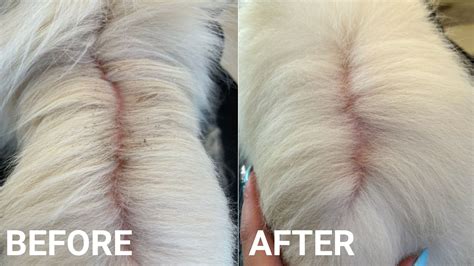
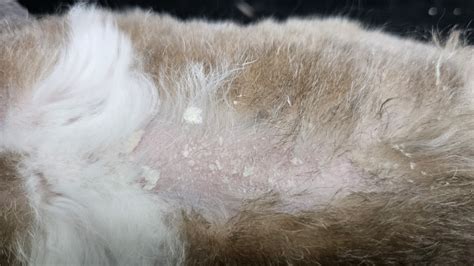
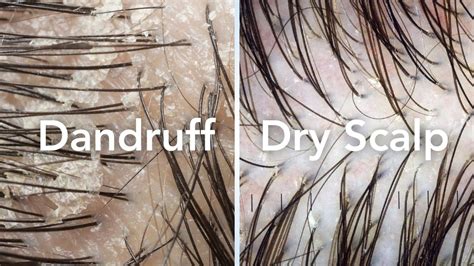
Yes, dogs can experience dandruff similarly to humans. This condition occurs when dead skin cells flake off at an accelerated rate, adhering to the fur or hair on your pet's body. These dry flakes often accumulate on the back, particularly near the tail, and may become noticeable during petting or scratching.
Like human skin, a dog's skin is equipped with glands that produce a natural oil called sebum. This sebum helps to moisturize the skin. However, an overproduction of sebum can lead to imbalances and contribute to dandruff. Dogs can suffer from two forms of seborrheic dermatitis: dry seborrhea (seborrhea sicca) and oily seborrhea.
Seborrhea is a skin condition that affects keratin production in the outer layer of the skin, hair follicles, and nails. In canine seborrhea, keratin is produced in incorrect amounts, either too much or not enough. This condition can also be associated with a strong odor emanating from the skin. Seborrhea can be classified as either "primary" or "secondary." Most cases of seborrhea do not resolve on their own and often require treatment.
Common Causes of Dandruff in Dogs
Several factors can contribute to the development of dandruff in dogs:
1. Dry Skin
Environmental factors such as low humidity, frequent bathing, or the use of harsh shampoos can strip the skin of its natural oils, leading to dryness and flakiness. During winter months, dry air, especially when exacerbated by central heating, can worsen this condition.
2. Nutritional Deficiencies
A diet lacking essential fatty acids, vitamins (particularly vitamin A), and minerals plays a significant role in skin health. Ensuring your dog receives a balanced diet, complete with adequate hydration and fatty acids like omega-3 and omega-6, is crucial for maintaining a healthy coat and skin.
3. Allergies
Both environmental (e.g., pollen, dust mites) and food allergies can trigger dandruff. Allergic reactions commonly result in itchy, inflamed skin that can become dry and flaky. Common allergens also include flea bites. Skin problems are often among the first signs of an allergic reaction.
4. Parasites
Mites, fleas, and ticks can cause significant irritation to a dog's skin, leading to dandruff. Mange, caused by mites, is a parasitic condition that results in severe itching and flaky skin. Cheyletiella mites, often referred to as "walking dandruff," are visible to the naked eye and can be easily confused with actual dandruff. If these "flakes" appear to be moving, immediate veterinary attention for parasite prevention is necessary, as some parasites are transmissible to other pets.
5. Underlying Health Conditions
Dandruff can be a symptom of various health issues. These include:
- Hypothyroidism: An underactive thyroid gland can lead to dry skin and coat problems.
- Cushing's disease: This condition, affecting the adrenal glands, can also result in skin issues, including dandruff.
- Hormonal Abnormalities: Changes in a dog's skin color or coat texture can indicate metabolic or hormone problems.
- Immune Disorders: In rare cases, persistent skin lesions or infections that do not heal may point to an immune disorder, such as lupus.
6. Infections
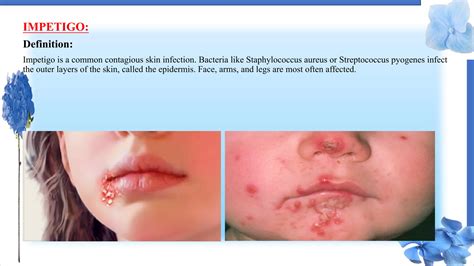
Bacterial or fungal infections can cause skin irritation and dandruff. Yeast infections, in particular, are known to lead to greasy, flaky skin. Folliculitis, a bacterial infection, causes sores, bumps, and scabs. Impetigo, another bacterial infection common in puppies, presents as pus-filled blisters that may crust over. Ringworm, a fungal infection, results in circular patches of inflammation, scaly skin, and hair loss.
7. Grooming Issues
Both excessive and insufficient grooming can contribute to dandruff. Over-bathing can strip the skin of natural oils, leading to dryness. Conversely, infrequent brushing and bathing can result in an oily coat. Finding the right grooming balance for your dog is essential.
8. Genetics
Certain breeds are genetically predisposed to dandruff due to abnormal skin cell turnover rates. Breeds such as Golden Retrievers, Cocker Spaniels, Yorkshire Terriers, Labrador Retrievers, Jack Russell Terriers, and Basset Hounds may be more prone to this condition.
Symptoms of Dandruff in Dogs
Recognizing the signs of dandruff is the first step toward treatment. Common symptoms include:
- White flakes on your dog's fur.
- Itchy skin, leading to relentless scratching, biting, or licking.
- Irritated, red patches of skin.
- Alopecia (hair loss), especially in patches.
- Oily skin, sometimes accompanied by an unpleasant odor (in cases of oily seborrhea).
- Scabs, which can form from scratching or secondary infections.
- Dull coat and excessive shedding.
Treating Dog Dandruff and Scabs
Effective treatment for dog dandruff involves addressing the underlying cause and enhancing the dog's overall skin health. Here are several approaches:
1. Regular Brushing
Regular brushing helps to remove dead skin cells and distribute natural oils throughout the coat, promoting healthy skin. Use a brush appropriate for your dog's coat type to avoid causing further irritation.
2. Medicated Baths
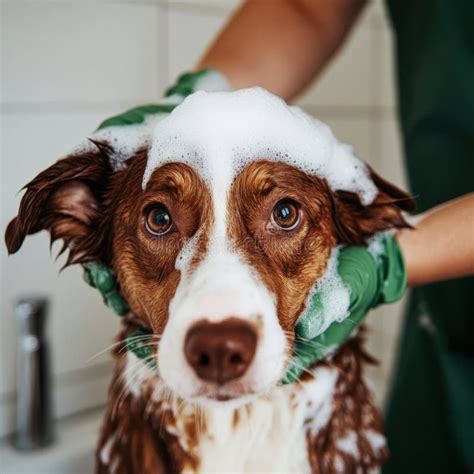
Bathing your dog with a moisturizing shampoo formulated specifically for canines can be very effective. Avoid using human shampoos, as they can be too harsh for a dog's skin. Look for shampoos containing soothing ingredients like oatmeal or aloe vera. For seborrhea or infections, your veterinarian may prescribe specific medicated shampoos containing ingredients like salicylic acid, sulfur, or coal tar.
If infections are present, frequent bathing for two to three weeks or longer may be necessary until the skin improves. Ear cleaning with a medicated ear cleaner every two to three days might also be recommended. In some cases, your veterinarian may prescribe oral medications like prednisone to reduce inflammation and debris buildup.
3. Nutritional Adjustments and Supplements
Ensure your dog receives a balanced diet rich in essential fatty acids, such as omega-3 and omega-6. These nutrients are vital for maintaining healthy skin and a lustrous coat. Your veterinarian can provide dietary recommendations tailored to your dog's specific needs. Adding supplements like fish oil to your dog's diet can help reduce inflammation and improve skin health. Feeding your pet complete and balanced dog food promotes healthy skin.
4. Allergy Management
If allergies are the cause, identifying and avoiding allergens is crucial. Your veterinarian can assist in diagnosing specific allergens and recommending appropriate treatments, which may include antihistamines or hypoallergenic diets.
5. Parasite Control
Regularly check your dog for external parasites like fleas, ticks, and mites. Use preventive treatments as recommended by your veterinarian to keep these pests at bay. Prompt treatment is essential for mange and other parasitic infestations.
6. Topical Treatments
For localized dry skin patches, such as on the nose or elbows, a small amount of a pet-safe moisturizer (like petroleum jelly) can help keep the area moist and prevent cracking. For more severe conditions, your vet might recommend soothing ointments like Silver Honey® Ointment Spay.
7. Environmental Adjustments
Using a humidifier in your home can add moisture to the air, reducing dryness and benefiting your dog's skin, especially during winter months. Ensure your dog's environment is comfortable and clean, as stress can sometimes trigger skin reactions.
8. Addressing Underlying Health Issues
If dandruff is a symptom of an underlying health condition like hypothyroidism or Cushing's disease, treating the primary illness is paramount. Your veterinarian will perform diagnostic tests to determine the cause and recommend the appropriate medical treatment.
When to Visit the Vet for Your Dog's Dandruff
While some cases of dandruff can be managed at home, certain situations warrant professional veterinary attention:
- Persistent Dandruff: If dandruff does not improve with regular grooming, a proper diet, and home care, it may indicate an underlying health issue.
- Excessive Scratching or Licking: Severe itching can lead to skin infections and further complications.
- Visible Skin Damage: Redness, open sores, scabs, or significant hair loss require medical evaluation.
- Changes in Overall Health: Lethargy, changes in appetite, weight loss, or other signs of illness accompanying dandruff should be addressed by a vet.
- Suspicion of Contagious Conditions: If you suspect "walking dandruff" (cheyletiellosis) or other contagious parasites, consult your veterinarian immediately.
Your veterinarian will conduct diagnostic tests to pinpoint the cause of your dog's skin condition and develop a tailored treatment plan. Recovery and management depend heavily on the identified cause of the seborrhea.
Common dermatological conditions in dogs presented by Dr. Sandra Koch - VMC AHES
Disclaimer: The advice provided in this post is for informational purposes only and does not constitute medical advice regarding pets. For an accurate diagnosis and treatment plan for your pet's condition, please consult with your veterinarian.