The Cabbage Soup Diet is a highly restrictive, very low-calorie, 7-day eating plan primarily centered around consuming unlimited amounts of homemade cabbage soup. While proponents claim rapid weight loss, health experts often caution against its sustainability and nutritional adequacy. This diet gained popularity in the 1980s and is often referred to by various names, including the "Sacred Heart Diet," "Military Cabbage Soup," and "TJ Miracle Soup Diet."
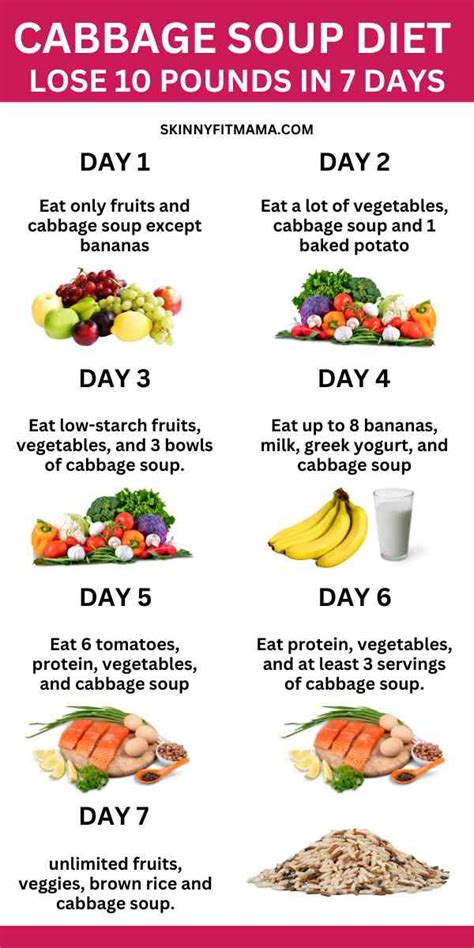
How the Cabbage Soup Diet Works
The core principle of the Cabbage Soup Diet is drastic calorie restriction. By limiting food choices and focusing on a low-calorie, high-fiber soup, the diet aims to create a significant calorie deficit. Daily caloric intake is estimated to be between 1,000 and 1,200 calories. The diet is designed to be followed for a maximum of seven days and is not intended as a long-term eating plan.
The Cabbage Soup Recipe
A basic recipe for the cabbage soup typically includes the following ingredients:
- 2 large onions
- 2 green peppers
- 2 cans of tomatoes
- 1 bunch of celery
- 1 head of cabbage
- 3 carrots
- 1 package of mushrooms
- 1-2 bouillon cubes (optional)
- 6-8 cups of water or vegetable cocktail (e.g., V8)
All vegetables are chopped into cubes. Onions are often sautéed first in a small amount of oil in a large stockpot. The remaining vegetables are then added, covered with water or vegetable cocktail, and seasoned with bouillon cubes or other desired seasonings. The mixture is brought to a boil, then simmered for about 30-45 minutes until the vegetables are tender. Seasonings like salt, pepper, hot sauce, herbs, or spices can be added. Some variations allow for other non-starchy vegetables like spinach or green beans.
The 7-Day Cabbage Soup Diet Meal Plan
The diet follows a specific daily structure, allowing for the addition of other low-calorie foods alongside the cabbage soup:
- Day 1: Unlimited cabbage soup and fruit (no bananas).
- Day 2: Cabbage soup and vegetables, with a focus on raw or cooked leafy greens. Avoid peas, corn, and beans. One baked potato with butter or oil is permitted.
- Day 3: Cabbage soup, fruits, and vegetables. No baked potatoes or bananas.
- Day 4: Unlimited bananas, skim milk, and cabbage soup.
- Day 5: Cabbage soup, 10-20 ounces (280-567 grams) of lean beef (or chicken/fish), and up to six fresh tomatoes. Drink at least 6-8 glasses of water.
- Day 6: Cabbage soup, beef (or broiled fish if substituted on Day 5), and vegetables, focusing on leafy greens. No baked potatoes.
- Day 7: Cabbage soup, vegetables, brown rice, and unlimited sugar-free fruit juice.
It is generally advised not to continue the diet for more than 7 days consecutively. If repeating the diet, a break of at least 2 weeks is recommended.
Potential Benefits
While the Cabbage Soup Diet is largely criticized for its restrictive nature, proponents and some limited research on very low-calorie diets suggest potential short-term effects:
- Temporary Weight Loss: Due to the extreme calorie restriction, initial weight loss is common. However, this is largely attributed to water and potentially muscle loss rather than fat.
- Inclusion of Fruits and Vegetables: The diet incorporates fruits and vegetables, which are generally healthy, low in calories, and high in fiber.
- Cost-Effectiveness: Compared to some other fad diets, the ingredients for cabbage soup are relatively inexpensive.
Risks and Drawbacks
The Cabbage Soup Diet carries significant risks and drawbacks:
- Unsustainable Weight Loss: Most of the weight lost is water weight, which is quickly regained once a normal eating pattern resumes. This rapid fluctuation is not conducive to long-term healthy weight management.
- Nutritional Deficiencies: The diet is severely lacking in essential nutrients, including protein, healthy fats, and various vitamins and minerals (e.g., B vitamins, fat-soluble vitamins A, D, E, K). This can hinder the body's proper functioning.
- Reduced Metabolism: Severe calorie restriction can cause the body to lower its metabolic rate to conserve energy, making it harder to burn calories and potentially leading to weight gain after the diet.
- Muscle Loss: With very low protein intake, there's a high risk of losing lean muscle mass, which is crucial for metabolism and body composition.
- Digestive Issues: The high fiber content of cabbage can lead to increased gas, bloating, and stomach cramps.
- Electrolyte Imbalance and Weakness: The extreme calorie deficit can cause dizziness, lightheadedness, fatigue, weakness, and headaches.
- Gallstone Risk: Rapid weight loss associated with very low-calorie diets can increase the risk of developing gallstones, especially when fat intake is severely limited.
- Blood Sugar Fluctuations: The low-carbohydrate nature of the diet may cause concerning changes in blood sugar levels, posing a risk for individuals with diabetes.
- Restrictive and Unappealing: The monotony of eating largely the same food for a week can be difficult to adhere to and may lead to irritability and a negative relationship with food.
- Social Isolation: The restrictive nature of the diet can make social eating and dining out challenging.
Explaining calorie reduction
Effectiveness for Weight Loss
While the Cabbage Soup Diet may lead to a noticeable drop on the scale within a week, this weight loss is primarily composed of water and muscle, not fat. Scientific evidence supporting its effectiveness for sustainable fat loss is lacking. Studies on very low-calorie diets suggest that while short-term weight loss and improvements in metabolic health might occur, these results are often temporary and not maintained without significant lifestyle changes. The Centers for Disease Control and Prevention (CDC) recommends slow and steady weight loss for sustainable results, a principle contrary to the rapid, short-term approach of the Cabbage Soup Diet.
Who Should Avoid the Cabbage Soup Diet?
This diet is not suitable for everyone. Individuals who should avoid it, or consult a healthcare professional before considering it, include:
- Pregnant or breastfeeding individuals
- People with pre-existing medical conditions (e.g., heart disease, diabetes)
- Individuals with a history of or recovering from an eating disorder
- Those under 18 years old or the elderly
- People taking prescribed medication
- Anyone with blood sugar management issues, including diabetics