For many years, a traditional body wash was the only method used to cleanse the skin. However, as concerns like dry skin and eczema became more prevalent with age, dermatologists began recommending a switch to shower oil. A shower oil effectively combines the cleansing properties of a body wash with the moisturizing benefits of oils, leaving the skin feeling soft and hydrated.
Since incorporating shower oils into a skincare routine, many have found them to be an effective way to clean and treat skin concerns. To help identify the best options, experts recommend considering key factors such as ingredients, price, and skin type.
How to Choose the Best Shower Oils
When selecting a shower oil, experts advise keeping the following in mind:
Ingredients
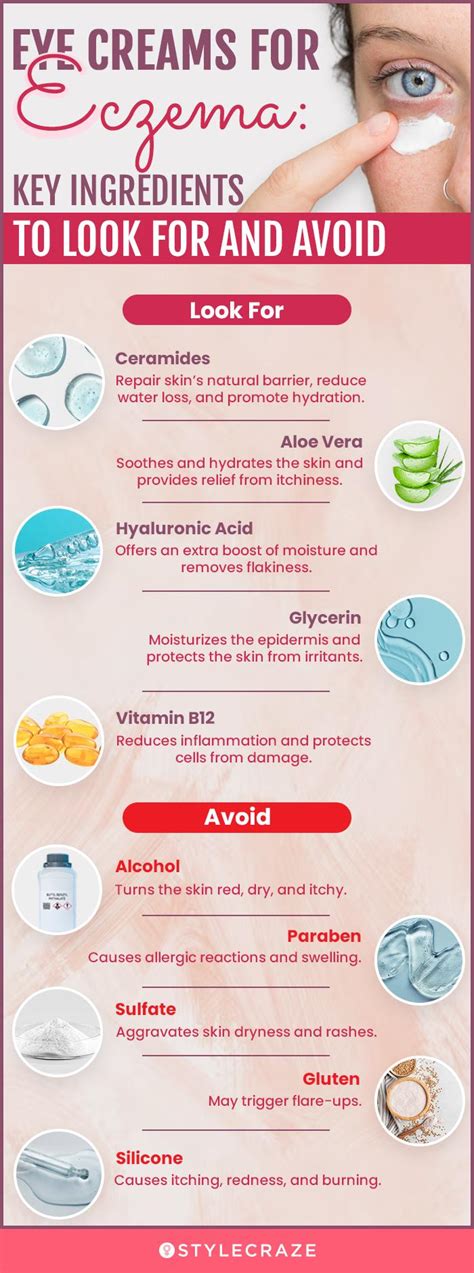
Shower oils should feature oils, such as jojoba and almond oil, as primary ingredients on their labels. Additionally, look for emollients like ceramides, which lock in moisture, or humectants such as glycerin, which attract and retain moisture in the skin.
Price
The cost of shower oils can vary based on size, packaging, and ingredients, with options ranging from approximately $16 to $35.
Skin Type
Similar to other skincare products, your skin type plays a crucial role in choosing the right formula and ingredients. Cleansing body oils are generally best suited for individuals with dry skin due to their oil-based nature, which leaves a moisturizing layer after rinsing. However, any skin type can benefit from them depending on the specific ingredients. For instance, castor oil, despite having a low comedogenic profile, can feel heavy on the skin and is thus more appropriate for those with dry skin.
The Best Shower Oils for Eczema and Dry Skin
Several shower oils stand out for their ability to soothe and hydrate skin, particularly for those dealing with eczema and dryness.
Best Overall: La Roche-Posay Lipikar Wash AP+ Gentle Foaming Moisturizing Cream Oil
This non-comedogenic shower oil is highly recommended for individuals with sensitive and eczema-prone skin due to its niacinamide content, which helps to soothe the skin. It is gentle and effectively reduces tightness, flakiness, and redness often associated with eczema. Despite a subtle added fragrance, it is gentle enough for very sensitive skin, including babies.
Best for All Ages: La Roche-Posay Cleansing Shower Oil
This fragrance-free and non-comedogenic formula is a top choice for sensitive skin. It is also soap-free, meaning it cleanses the skin without the use of drying ingredients like sulfates. Users praise its ability to lather easily with a small amount and its unscented nature, preventing clashes with other skincare products.
Editor's Choice: Kiehl's Ultra Facial Cleanser
This wash has shown a noticeable difference in skin smoothness and hydration. It is suitable for all skin types and is formulated with glycerin and squalane to maintain skin hydration throughout the day. It is particularly effective when layered with exfoliating body washes for an extra boost of moisture after using chemical exfoliants.
Most Versatile: Necessaire The Body Oil
This silky yet milky shower oil can be used in three ways: to cleanse the body, as a shaving base, or as a bath soak. It does not feel oily or greasy and has a subtle, clean scent. Users report that it leaves their skin feeling exceptionally soft and smooth.
Best Scented: Glossier Body Hero Oil Wash
For a more luxurious shower experience, this oil is a popular choice. It dispenses easily, foams up to provide a feeling of cleanliness, and leaves the skin feeling soft and smooth. It features an orange blossom neroli scent, which is calming and leaves the skin smelling pleasant after showering. The packaging includes a cap stopper for convenient travel.
Best for Kids: Mustela Stelatopia Cleansing Oil
This multipurpose shower oil is designed to combat dryness and itchiness in babies and children. It moisturizes, softens, and soothes the skin, leading to reduced irritation and an effective cleanse. It is also non-greasy and does not leave an uncomfortable residue. Adults can also use this oil as a face wash or makeup remover.
Best Soothing: Avène Xeracalm A.D. Lipid-Replenishing Cleansing Oil
Suitable for all ages, this fragrance-free shower oil focuses on moisturizing and protecting the skin from future dryness. It is excellent for sensitive skin and effectively hydrates dry patches. It is non-comedogenic, free of common irritants, and safe to use during eczema flare-ups.
Best Brightening: Kopari Coconut Body Wash Oil
This shower oil hydrates and brightens the skin simultaneously. It lathers well, providing a feeling of extra cleanliness, and leaves the skin feeling softer after showering. It is also beneficial for shaving, preventing razor burns. The formula has a pleasant scent with notes of coconut milk, vanilla, and warm spice.
Best Splurge: Kiehl's Creme de Corps Smoothing Body Cleanser
With a high rating from numerous reviews, this shower oil effectively removes dirt and oil without damaging the skin. It offers a luxurious, lightweight feel that leaves the skin soft and smooth, and some users report it helps minimize the side effects of keratosis pilaris and eczema. A small amount is recommended to prevent the shower from becoming too slippery.
Best Lather: Eucerin Skin Calming Body Wash
This shower oil is noted for its luxurious lather and pleasant, warm scent. It is rich in nourishing oils, including sweet almond, sea buckthorn, and oat, which offer soothing properties. It also contains cica and ceramides to support the skin barrier. The pour-out bottle design has a flat back for easy storage against a shower wall.

What Does a Cleansing Body Oil Do?
Cleansing body oils operate on the principle that "like attracts like." The oils within the formula attract and bind to oils and other impurities on the skin, allowing them to be washed away with water. A primary benefit of cleansing body oils is their ability to maintain the integrity of the skin's lipid barrier. In addition to cleansing and hydrating, they can also enhance the shaving experience by providing a smooth surface for the razor to glide over, thus minimizing irritation.
How to Shop for Shower Oils
When shopping for shower oils, several factors should be considered:
Key Ingredients to Look For
- Almond or Jojoba Seed Oils: These are excellent for dry or sensitive skin, offering soothing and calming effects.
- Coconut, Avocado, or Jojoba Oils: These carrier oils deliver essential vitamins, minerals, and fatty acids to nourish the skin and replenish lipids, crucial for maintaining the natural skin barrier.
- Vitamin E: Acts as an antioxidant, humectant, and emollient, helping the skin absorb and retain water.
- Pro Vitamin B5: Another humectant that aids in preserving moisture within the skin barrier.
For sensitive or dry skin, it's advisable to be cautious with products containing fragrances or artificial dyes, as these can increase the likelihood of irritation and allergic reactions.
Skin Type Considerations
Cleansing body oils are beneficial for individuals with a weakened skin barrier, such as those with dry or eczema-prone skin. While people with oily skin might prefer foaming or gel body washes, they can still use cleansing body oils. It's important to ensure thorough rinsing and to opt for non-comedogenic formulas with lightweight oils to reduce the risk of breakouts.
Cleansing body oils can serve as an excellent alternative to traditional body washes during colder months. As the weather cools, environmental factors like harsh, cold, dry air, indoor heating, and hot showers can strip the skin of its natural oils and weaken the skin barrier, leading to increased dryness, sensitivity, and irritation. Cleansing body oils help fortify the skin barrier's lipids, preventing transepidermal water loss and protecting against external irritants.
How To Use Body Oil
Frequently Asked Questions About Shower Oils
Shower Oil vs. Body Wash
While both shower oils and body washes cleanse the skin, they have distinct differences:
- Consistency: Shower oils have an oily texture that transforms into a milky lather when mixed with water. Standard body washes are typically gel- or cream-based and lather into foams when combined with water.
- Function: Shower oils excel at preserving the skin's natural oils and providing hydration, whereas traditional soap body washes primarily focus on cleansing.
- Concentration: Shower oils generally have higher oil concentrations and often contain more plant-based oils like almond and coconut. Standard body washes tend to have more effective cleaning surfactants like sulfates. While some cleansing body oils include lathering agents, they typically do not produce the same robust lather as traditional soaps, offering a silkier feel instead.
Can I use a shower oil for a deep clean?
To a certain extent, yes. If a deep clean is the primary goal, a standard body wash might be more suitable, as shower oils prioritize hydration over intense cleansing. The main advantage of using a shower oil lies in its moisturizing and gentle properties. Shower oils do not create a significant lather and may not provide the "squeaky clean" sensation some users associate with traditional soaps. For those who prefer this feeling, a double cleanse method can be employed: first, use the shower oil, massaging gently with hands to allow the skin to absorb the moisturizing ingredients. Avoid loofahs to prevent over-exfoliation. Rinse with lukewarm water (hot water can irritate the skin) and follow up with a hydrating body lotion on damp skin.
Are shower oils suitable for sensitive skin?
Generally, yes. Shower oils tend to be gentle and suitable for sensitive skin because they do not strip the natural skin barrier. When using them on sensitive areas, it is important to opt for hypoallergenic, fragrance-free versions without strong essential oils.
DIY Bath Soaks and Oils for Eczema Relief
For those seeking natural remedies, homemade bath soaks and oils can provide significant relief for dry, irritated, and eczema-prone skin.
Natural Bath Oil for Eczema
- Ingredients: Olive Oil or Coconut Oil, Essential oil of your choice.
- Directions: Add ¼ cup of coconut or olive oil to warm bathwater. Add approximately five drops of your chosen essential oil. Allow the oil to disperse evenly. Massage the oil into the skin while soaking, as both carrier and essential oils will float on the water's surface.
Oat & Honey Eczema Bath Soak Recipe
- Ingredients: 1 cup of raw oats, ¼ cup of baking soda, honey, 10 drops of your preferred essential oils.
- Directions: Combine oats and baking soda in a blender or food processor and blend until the oats are a very fine powder. Add essential oil drops and pulse a few times to mix thoroughly. Store in an airtight jar.
- For bath use: Add ¼ cup of the oat blend to bathwater. Alternatively, if you don't have a blender, place whole oats in a muslin bag, cheesecloth, or sock and hang it in the water.
- For eczema or rash: Mix ¼ cup of the oat blend with honey to create a spreadable paste. Apply directly to patches of eczema, diaper rash, or sunburned skin. Let the paste dry, then gently rinse with warm water.
Bonus Skin Softening Bath Melts
Basic Bath Melts
- Ingredients: 1 cup of Coconut Oil, 15 drops of Essential Oil (your choice), Rubber molds.
- Directions: Heat coconut oil on low heat until completely melted. Remove from heat, add essential oils, and stir well. Pour into rubber molds and refrigerate until hardened. Once cooled, pop out of molds and store in a cool place. If your home is above 70 degrees Fahrenheit, store in the fridge or freezer.
Luxe Hydration Bath Melts
- Ingredients: 1 Tablespoon of Beeswax, ½ Cup of Shea Butter, ¼ Cup of Coconut Oil, 1 Tablespoon of Olive or Almond Oil, ¼ Cup of Ground Oats, Drizzle of Honey, Rubber molds.
- Directions: Melt butters over low heat on the stove top, stirring often. Once thoroughly melted, add liquid oils and honey. Remove from heat, pour into silicone molds, and refrigerate to cool. Once solid, remove from molds and store in a container, preferably in the fridge or freezer.
These DIY recipes are excellent for those suffering from eczema, psoriasis, or chapped, dry winter skin.
When to Use DIY Bath Oils, Oats & Melts
These homemade treatments are beneficial in several situations:
- At the first sign of dry, flaky, or peeling skin.
- During the fall and winter months when skin tends to be drier.
- When experiencing an eczema or dermatitis flare-up.
- If a heat or diaper rash appears.
- When skin feels generally parched and requires a hydration boost.
These DIY bath recipes can be used year-round for hydration or when skin needs extra care. They provide relief for eczema and dermatitis and offer a boost of hydration and protection.