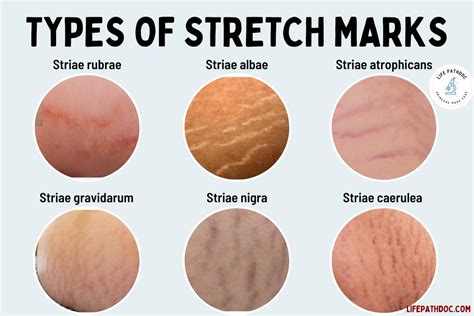
Stretch marks, clinically known as striae distensae, are indented streaks that appear on various parts of the body, including the breasts, abdomen, buttocks, hips, and thighs. They are a common occurrence during pregnancy, particularly in the later stages, and are primarily caused by the stretching of the skin as the body accommodates a growing fetus and weight gain.
Understanding Stretch Marks
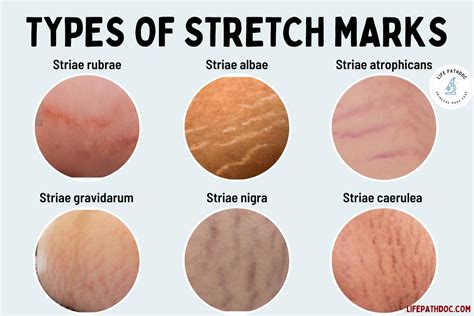
Stretch marks are characterized by narrow, streak-like lines that can develop on the surface of the skin. Their appearance can vary depending on their age, the cause, location on the body, and individual skin type. New stretch marks might present as bright pink, red, blue, black, or purple lines, and they can cover significant areas of the body, although this is rare. As they mature, these marks typically fade over time, becoming paler scars that are less noticeable, though they may not disappear entirely.
While stretch marks are not painful or harmful, some individuals may be concerned about their aesthetic appearance. It's important to note that stretch marks do not require specific medical treatment and often fade naturally. However, if you are concerned about the appearance of your skin or if the stretch marks cover extensive areas of your body, consulting a healthcare provider is advisable. They can help determine the underlying causes and discuss potential treatment options.
Causes of Stretch Marks During Pregnancy
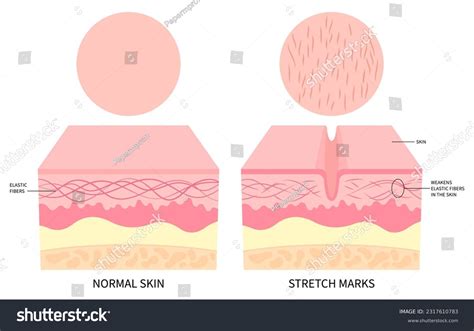
The primary cause of stretch marks is the stretching of the skin. During pregnancy, the skin undergoes significant expansion to accommodate the growing uterus, breasts, and overall weight gain. This rapid stretching can lead to the tearing of the dermis, the middle layer of skin, which contains collagen and elastic fibers. When these fibers break, the underlying blood vessels become visible, resulting in the characteristic appearance of stretch marks.
Several factors can influence the severity and likelihood of developing stretch marks:
- Genetics: A predisposition to stretch marks can be inherited. If your mother or sister experienced stretch marks during pregnancy, you are more likely to develop them as well.
- Hormonal Changes: Hormones, particularly cortisol, which increases during pregnancy, can play a role. Cortisol is produced by the adrenal glands and may weaken the elastic fibers in the skin, making it more susceptible to tearing. Hormonal fluctuations, such as increased levels of progesterone and estrogen, can also stimulate melanin production, leading to darker pigmentation of the stretch marks.
- Rapid Weight Gain: Gaining weight quickly during pregnancy puts more stress on the skin, increasing the risk of stretch marks. The average recommended weight gain during pregnancy is typically between 25 to 35 pounds, and gaining weight slowly and steadily is often advised.
- Degree of Skin Stress: The more the skin has to expand and the faster this expansion occurs, the higher the chance of developing stretch marks. Factors like carrying multiples or a larger-than-average baby can contribute to increased skin stress.
- Age: Younger women (under 20) may have skin that is not fully developed, while older women (over 35) may have skin that has begun to age and lose elasticity, both increasing the risk of stretch marks.
- Previous Stretch Marks: If you developed stretch marks during puberty, you are more likely to experience them again during pregnancy.
Who is More Likely to Develop Stretch Marks?
While stretch marks are common, affecting up to 90% of pregnant women, not all expectant mothers will develop them. Certain factors increase the likelihood:
- A family history of stretch marks.
- Significant and rapid weight gain during pregnancy.
- Carrying twins or multiples.
- Carrying a baby larger than average.
- Increased amniotic fluid.
- Younger or older maternal age.
- A history of stretch marks from puberty.
Preventing Stretch Marks During Pregnancy
While there is no guaranteed method to prevent stretch marks entirely, several strategies can help improve skin elasticity and potentially reduce their occurrence or severity:
1. Maintain Hydration
Keeping your body well-hydrated is crucial for overall skin health. Drinking approximately 2 liters of water a day can help strengthen and renew your skin from within, making it more resilient to stretching. Topical moisturizers applied daily, starting from the moment you discover you are pregnant, can also help keep the skin supple.
2. Healthy Diet
While food alone cannot guarantee the prevention of stretch marks, a healthy and balanced diet can contribute to better skin health and elasticity. Foods rich in specific nutrients play a vital role:
- Vitamin C: Contains antioxidants that help prevent tissue damage.
- Vitamins E, B2, and B3: These vitamins, along with zinc and silica, are essential for the formation of collagen, which helps hold skin layers together and maintain elasticity.
- Omega-3 and Omega-6 Fatty Acids: Found in foods like fatty fish, nuts, and seeds, these can help nourish the skin.
Incorporating fruits like strawberries and blueberries, and vegetables like spinach into your diet can provide beneficial vitamins and antioxidants.
3. Regular Exercise
Engaging in regular, moderate exercise during pregnancy can improve energy levels, enhance sleep patterns, and crucially, help maintain skin elasticity. Exercises suitable for pregnant women, which are gentle and not overly strenuous, can improve blood circulation and help manage weight gain effectively.
4. Reasonable Weight Management
Gaining weight gradually and within the recommended range for pregnancy is important. Aiming for a moderate weight gain, typically around 7-15 kg throughout the pregnancy, can help minimize the stress on your skin. It is essential to consult with your midwife or doctor regarding appropriate weight gain for your individual circumstances and to avoid restrictive dieting during pregnancy.
5. Topical Treatments and Skincare
While the evidence for the effectiveness of many over-the-counter creams and oils in preventing stretch marks is limited, keeping the skin moisturized can help reduce itching associated with stretching. Some studies suggest that ingredients like hyaluronic acid and Centella asiatica may offer some benefit. It is always advisable to consult with a healthcare provider before using any new skincare products during pregnancy.
When Stretch Marks Appear
Stretch marks typically begin to appear during the second or third trimester of pregnancy, often around the 6th to 7th month, as the body experiences rapid growth and weight gain. The exact timing can vary significantly from person to person. During this period, it is also important to be aware of other potential pregnancy-related changes and to undergo necessary screenings, such as for gestational diabetes and fetal development.
Postpartum and Treatment Options
After childbirth, stretch marks usually become less noticeable, fading into paler scars over approximately six to 12 months. While they may not disappear completely, their color and visibility diminish. For those concerned about the appearance of stretch marks after pregnancy, several treatment options can help minimize their appearance:
- Topical Medications: Prescription creams containing ingredients like tretinoin (Retin-A) or glycolic acid may be recommended by a dermatologist. However, Retin-A is not safe during pregnancy and should be used with caution during breastfeeding.
- Laser Therapy: Light and laser treatments can help improve skin elasticity and pigmentation, making stretch marks blend better with the surrounding skin. This often requires multiple sessions.
- Microneedling: This procedure involves using fine needles to stimulate collagen and elastin production, which can improve skin texture and firmness.
It is important to note that most of these treatments are considered cosmetic, and insurance coverage may not be available.