While many things in life improve with age, your skin is unfortunately not one of them. Heredity, lifestyle factors, and even your habitual facial expressions can contribute to signs of premature aging. As you get older, flaws like wrinkles become increasingly challenging to disguise with makeup, which may leave you searching for alternative solutions.
Intense Pulsed Light (IPL) technology is a cutting-edge treatment for an array of skin imperfections resulting from the cumulative effects of aging, sun damage, and genetics. IPL therapy, also known as a photo facial, is a way to improve the color and texture of your skin without surgery. It can undo some of the visible damage caused by sun exposure -- called photoaging. You may notice it mostly on your face, neck, hands, or chest.
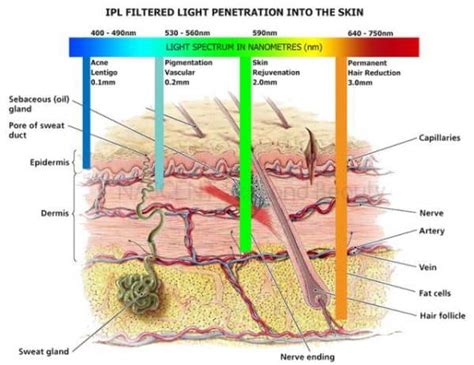
IPL works by heating skin cells with brief pulses of light tuned to a specific frequency. In response to IPL photorejuvenation, your skin’s underlying structure will begin remodeling itself. The light energy is absorbed by pigments in the skin (such as melanin or hemoglobin) or by damaged cells. The light breaks down discolorations (like age spots) and triggers a natural healing process, including the stimulation of collagen production.
What is IPL Therapy?
Intense Pulsed Light (IPL) therapy is a noninvasive skin treatment that uses broad-spectrum light to target and improve various skin concerns. Unlike traditional lasers that operate using a single wavelength, IPL emits multiple wavelengths, making it a versatile solution for skin rejuvenation. IPL delivers light energy into the deeper layers of the skin.
This energy is absorbed by pigments in the skin (such as melanin or hemoglobin) or by damaged cells. The light breaks down discolorations (like age spots) and triggers a natural healing process, including the stimulation of collagen production.
Can IPL Therapy Reduce Wrinkles?
Collagen, a structural protein in our skin, is necessary for maintaining elasticity and firmness. However, as we age, collagen production naturally decreases, leading to sagging skin and the development of wrinkles. IPL therapy targets the underlying layers of the skin, stimulating the body’s natural collagen production. This boost of collagen:
- Restores elasticity in the skin.
- Creates a firmer, smoother texture.
- Helps soften the appearance of fine lines and wrinkles.
While IPL is a potential choice for addressing minor wrinkles and subtle signs of aging, it may not be as effective for deep-set wrinkles. For more prominent wrinkles, combining IPL with treatments such as microneedling or dermal fillers may yield better results. Unlike Botox, fillers, or more invasive procedures, IPL focuses on stimulating the skin’s natural healing capabilities. It offers an excellent option for those seeking noticeable skin rejuvenation without the need for needles or surgery.
Benefits Beyond Wrinkle Reduction
The benefits of IPL extend well beyond tackling wrinkles. There is little to no downtime, allowing you to resume daily activities almost immediately. Additionally, the treatment is gentle, with side effects such as redness typically subsiding within a few hours.
- Boosts Collagen: By stimulating collagen and elastin, IPL promotes overall skin health, resulting in tighter, more vibrant-looking skin.
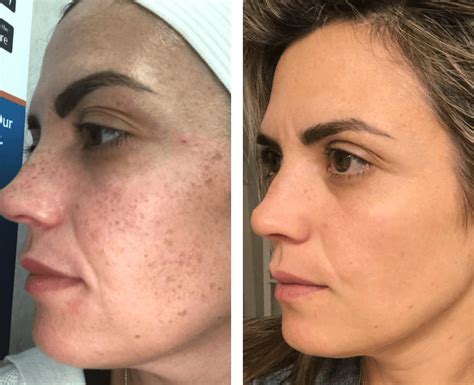
- Improves Skin Texture and Tone: IPL reduces discoloration caused by factors such as sun damage, redness, or hormonal pigmentation. For individuals with rosacea, IPL can help reduce persistent redness.
Surprisingly, IPL is not limited to aesthetics. The technology is also used to treat dry eye by reducing inflammation and stimulating the function of the tear glands. These wide-ranging benefits make IPL a treatment that can help with both cosmetic goals and overall skin wellness, offering results that go beyond surface-level improvements.
IPL vs. Laser Treatments
Both IPL and laser treatments can be used to improve a variety of skin issues. The main difference is that IPL therapy is gentler on the skin and usually requires more sessions than laser therapy for comparable results. Laser treatment is more intense and recovery is longer. It can achieve more noticeable results from fewer procedures. However, unlike lasers, an IPL device sends out more than one wavelength of pulsating light. IPL can treat a range of skin conditions at the same time.
Your dermatologist can tell you which one is a better match for your needs. IPL uses light energy to target a certain color in your skin. When the skin is heated, your body gets rid of the unwanted cells, and that gets rid of the issue you’re being treated for. It can treat a range of skin conditions at the same time.
What Skin Conditions Can IPL Treat?
IPL may help if you have red, brown, or splotchy skin because of a health condition. It works best if you have pale or light brown skin. Talk to your dermatologist if you want to lessen or get rid of:
- Acne
- Birthmarks
- Stretch marks
- Liver or age spots
- Broken blood vessels
- Brown spots, also called liver or age spots
- Dark spots from hormonal changes
- Discolored skin
- Fine wrinkles
- Freckles
- Redness from rosacea
- Scars
- Spider veins
- Unwanted hair
Research shows that IPL is safe and does not cause cancer. IPL has been used for over 30 years without raising concerns about increasing the risk of skin or other types of cancer.
Who is a Good Candidate for IPL?
When considering IPL therapy, it's important to consult with a qualified provider. Every skin type and concern is unique, and consulting with a qualified provider helps you understand how IPL works for your specific needs.
Talk to your doctor first if you:
- Are pregnant
- Have a skin condition
- Have a sunburn
- Take medication for other conditions such as blood thinners or the acne drug isotretinoin, better known as Accutane
IPL isn’t a good idea if you:
- Are sensitive to light
- Have recently tanned your skin using sunlight, tanning beds, or tanning creams
- Might have skin cancer
- Use a retinoid cream
- Are very dark-skinned
- Have a skin resurfacing disorder
- Have severe scarring
- Have keloid scar tissue
While at-home devices are available, professional IPL therapy typically offers more precise and safe results, utilizing medical-grade technology and expert guidance.
The IPL Treatment Process
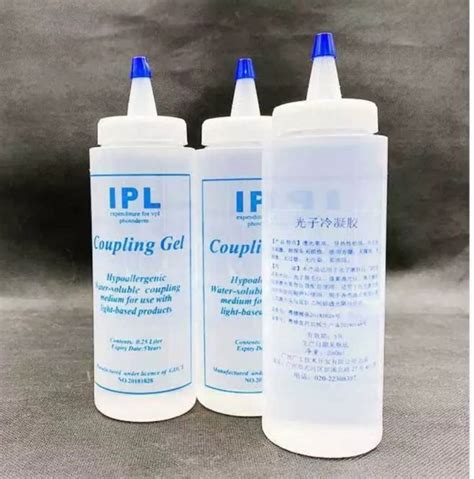
On the day of your appointment, avoid using perfume, makeup, and scented products that can irritate your skin. Once you’re ready for the treatment, a technician or dermatologist will rub gel on your clean skin. You’ll wear dark glasses to protect your eyes. The handheld IPL device will go right on your body. The session will probably last 20-30 minutes. Large areas could take an hour or more.
While most people are fine with the light pulses, the treatment could sting a little. It might feel like someone is snapping a rubber band on you. Your dermatologist can give you a numbing cream to put on 30-60 minutes before treatment starts.
It may feel like you have a sunburn for 4-6 hours after you’re finished. Ice packs or a cool washcloth can help you feel better. Your skin may be red or bruised for a day or two. Some of your brown spots may get darker, but they should peel off within a few weeks.
What to Expect After IPL Treatment
While you heal:
- Don’t put on makeup if your skin hurts.
- Use moisturizing lotion.
- Protect yourself with sunscreen. Reapply it every 2 hours, even if it’s not sunny outside.
- Wash your face with a cleanser for sensitive skin. Your dermatologist can tell you when it’s safe to return to your normal skin care routine. It might take a week.
Most people get between three and seven sessions. It depends on the condition you’re treating. You’ll wait two to four weeks between each visit. It may take several weeks for you to notice any changes in your skin.
Potential Side Effects
IPL treatment is safe when done by a trained technician. But it could cause hormonal brown spots to flare up. You could have other unwanted side effects. Your skin could:
- Scar
- Hurt
- Swell
- Bleed
- Become infected
- Change color
- Get crusty
- Blister
Talk to your dermatologist if you feel sick after your treatment or your symptoms get worse.
Side effects of IPL hair removal
IPL hair removal may cause short-term side effects. These include:
- Skin sensitivity
- Mild discomfort or pain, such as stinging or feeling like you have a sunburn
- Skin discoloration, such as slight redness
Less commonly, skin may become infected. In rare cases, skin may blister or scar, particularly for those with sensitive skin.
Maintenance and Longevity of Results
IPL can make your skin look better, but can’t stop future aging. It also can’t help the underlying condition that affected your skin. How long IPL results last can vary. Results can be different based on your area of concern. For example, treated veins or spots don’t come back, but new ones might show up later. You can get follow-up treatments once or twice a year to maintain your look.
Skin improvements often last 6 months to 1 year. Doing more treatments can help you keep your results.
Cost and Considerations
There are a few things to keep in mind when you're considering IPL therapy, including the cost. These procedures aren’t cheap. In 2025, the average fee was between $300 and $600 per session. Usually, cosmetic procedures aren’t covered by insurance. Ask your dermatology clinic if it offers a payment plan. Some practices also offer discounts with the purchase of multiple sessions.
Whether or not IPL therapy is worth the money is a personal decision. There’s no right or wrong, just what’s right for you. Consider that IPL treatment is safe and effective but isn’t cheap.
Alternatives to IPL
Other options that may also treat your skin spots, fine lines, and redness include:
- Microdermabrasion: This uses small crystals to gently buff off the top layer of your skin, called the epidermis.
- Chemical peels: These are similar to microdermabrasion, but instead of crystals, they use chemical solutions on your face.
- Laser resurfacing: This removes the damaged outer layer of the skin to promote the growth of collagen and new skin cells. Lasers use only one wavelength of light in a concentrated beam. IPL, on the other hand, uses pulses, or flashes, of several types of light to treat multiple skin issues.
- Fraxel laser treatment: This is similar to laser resurfacing but doesn’t remove the top layer of skin. It can improve fine lines, skin texture, skin tone, scarring, and dark spots with less recovery time.
IPL is more than a wrinkle-reduction method. It’s a versatile, noninvasive solution for achieving smooth, clear, and youthful skin. From boosting collagen to evening out your skin tone, IPL empowers you to feel confident and radiant in your natural beauty.