Of all the skincare acids available, glycolic acid stands out as an often-underrated ingredient that truly deserves a place in your routine. While best known for its powerful anti-aging and exfoliating capabilities, the advantages of glycolic acid for the skin extend much further, encompassing smoothing, brightening, hydrating, and even stimulating new collagen production. Whether incorporated into a nightly cream or utilized in professional treatments like chemical peels, this alpha hydroxy acid (AHA) offers a multitude of skin-friendly benefits that solidify its status as a skincare staple.
Understanding Glycolic Acid
According to board-certified dermatologist Dr. Connie Yang, glycolic acid is an alpha hydroxy acid (AHA) widely recognized in skincare for its remarkable exfoliating properties. Typically derived from sources like sugar cane, beets, and fruits, glycolic acid in synthetic form is commonly found in concentrations ranging from five to 10%. Professional products and treatments may feature higher concentrations.
“Glycolic acid can be used to help address hyperpigmentation, fine lines, acne, and uneven skin texture. It works by breaking down the bonds between dead skin cells, promoting cell turnover to reveal fresher, smoother skin,” explains Dr. Yang. The varying strengths of glycolic acid allow for its use in diverse formulations, from gentle leave-on toners to medical-grade peels and numerous options in between.
Among exfoliating acids, the benefits of glycolic acid are considered suitable for nearly all skin types while still delivering potent results. Its small molecular structure enables glycolic acid to offer a wide range of advantages, from effective exfoliation to significant improvements in skin tone and texture, as well as enhanced brightness.
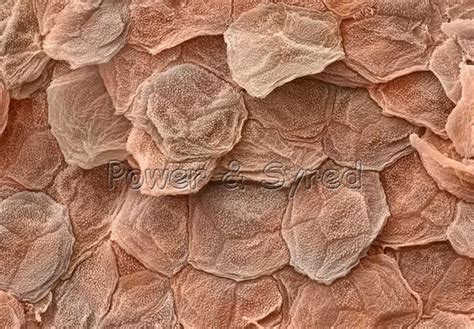
Glycolic acid enhances the skin by weakening the bonds that hold dead skin cells on the outermost layers. The removal of these dead cells unveils fresh, new, and healthy skin, leading to a noticeable improvement in both skin tone and texture.
Key Benefits of Glycolic Acid for the Skin
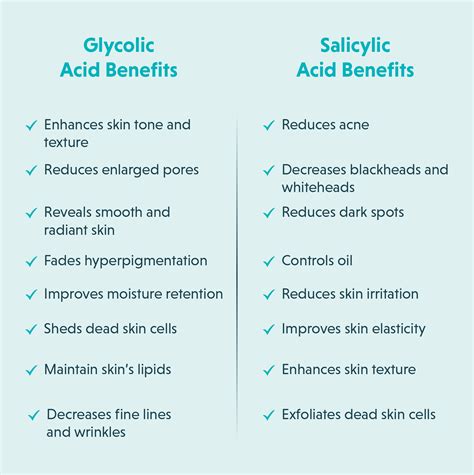
Regular use of glycolic acid offers numerous advantages for skin health and appearance. The primary benefit is its potent exfoliating action, which removes dead skin cells, resulting in skin that looks and feels smoother and brighter.
Beyond exfoliation, another highly valued benefit of glycolic acid is its ability to stimulate collagen production. This leads to firmer, plumper, more elastic, and resilient skin. Additionally, glycolic acid acts as a humectant, attracting moisture to the skin. Its tolerability by most skin types, even sensitive skin, makes it a versatile ingredient.
Unlike some other exfoliating acids that may be restricted to once or twice weekly use, glycolic acid can often be used daily, provided the concentration is appropriate for your specific skin type.
Addressing Acne and Congestion
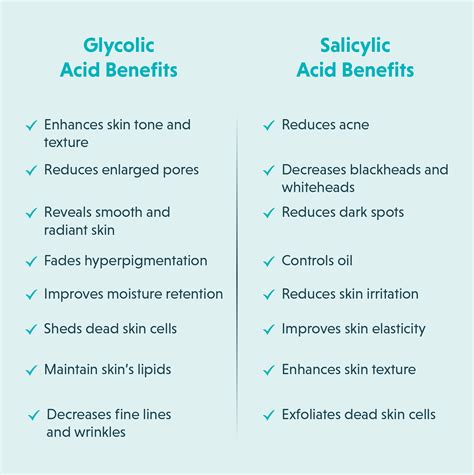
The benefits of glycolic acid extend to acne-prone skin. By exfoliating the top layer of skin, glycolic acid helps to unclog whiteheads and blackheads, leading to clearer skin. It can also help to shrink enlarged pores, making them less noticeable.
Reducing Signs of Aging and Sun Damage
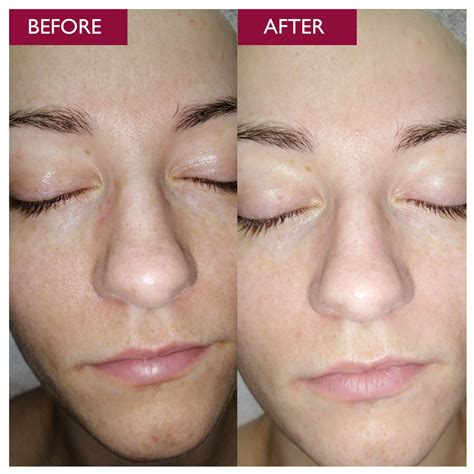
Glycolic acid is highly effective in reducing the appearance of fine lines and wrinkles. It also helps to diminish visible damage associated with sun-exposed skin and evens out skin tone, addressing dark spots and hyperpigmentation.
The anti-aging aspect of glycolic acid is significant. Its exfoliating action aids in shedding dead surface skin cells, contributing to a more youthful appearance. With fewer dead skin cells on the surface, common signs of aging, such as fine lines and wrinkles, become less pronounced.
What Glycolic Acid Does for the Skin
Glycolic acid is a frequent ingredient in many skincare products due to its small molecular size, which allows it to penetrate the skin effectively. This characteristic makes it one of the premier exfoliators and a key ingredient for skin renewal.
From a scientific perspective, glycolic acid enhances the skin by exfoliating the bonds that hold dead skin cells together. This removal of the "glue" reveals new skin cells underneath, leaving the skin refreshed and renewed. With reduced dead skin cell accumulation, fine lines, wrinkles, discoloration, and sun damage are diminished, while collagen, elasticity, and skin firmness are increased. It also aids in improving moisture levels as the skin is less burdened by dead cells.
Suitability for Different Skin Types
Dr. Yang notes that glycolic acid is suitable for most skin types. “Those with normal or combination skin can benefit from the brightening and texture-refining effects of the acid, while oily or acne-prone skin can benefit from its pore-clearing properties and reduction of oil buildup. Dry skin can use glycolic acid to help remove dead skin cells and improve moisture retention, but I would recommend using a lower concentration and following with a good moisturizer.” She further adds that mature skin often benefits the most from glycolic acid, as cell turnover naturally slows with age, and glycolic acid can help counteract this.
Consistent use of skincare products containing glycolic acid promotes smoother, more even-looking skin with a more youthful appearance.
How to Incorporate Glycolic Acid into Your Skincare Routine
If you are considering adding glycolic acid to your skincare regimen, follow these steps:
- Start Slowly: If you are new to glycolic acid, begin by applying the product once or twice a week. Gradually increase the frequency as your skin becomes accustomed to the ingredient, based on its response.
- Patch Test: Before applying to your face, perform a patch test on your inner elbow or a small, inconspicuous area of your face to ensure compatibility and check for any adverse reactions.
- Timing is Key: Always use glycolic acid products at night, after cleansing and before moisturizing. Ensure your skin is completely dry before application to prevent the acid from penetrating too deeply.
- Sun Protection is Crucial: Glycolic acid makes the skin more susceptible to sun damage. It is imperative to apply a broad-spectrum sunscreen with an SPF of 30 or higher every morning and reapply it every two hours throughout the day.
- Avoid Over-Exfoliation: When starting with glycolic acid, it's advisable to avoid using other exfoliants simultaneously, such as retinol and salicylic acid. Using too many exfoliating products can lead to dryness, irritation, and over-exfoliation.
Once your skin has built a tolerance, daily or every-other-day use may be possible. However, Dr. Yang emphasizes that this depends heavily on the product's concentration. “At lower concentrations of 5 to 10%, I recommend starting out two to three times per week. Those with non-sensitive skin, oily or combination skin, may be able to tolerate daily use, but I recommend working up to that gradually. At higher concentrations of 15%, stick to using glycolic acid once or twice weekly.”
Individuals with sensitive skin should proceed with caution, using glycolic acid once or twice weekly. Monitor your skin for any signs of dryness, irritation, redness, or peeling, which typically indicate over-exfoliation.
Choosing the Right Glycolic Acid Product
When selecting a glycolic acid skincare product, prioritize one that aligns with your skin type and desired outcomes. Many products highlight specific benefits, so choose one that targets brightening and exfoliation if those are your concerns, or one formulated to prevent breakouts if acne is an issue.
The pH level of a glycolic acid product is an important, though often overlooked, factor. AHAs, including glycolic acid, need to be active to penetrate the skin's surface; a lower pH indicates greater potency for penetration.
Beginners to glycolic acid should always start with a lower concentration, around 5%, which serves as a good starting point. As your skin successfully acclimates, you can gradually increase the strength. The formulation of the product should also be considered based on your skin type. Dr. Yang advises that individuals with dry or sensitive skin should opt for products with lower concentrations (5-10%), while non-sensitive, oily, or combination skin might tolerate 15% or higher. “However, if you are new to chemical exfoliants, I recommend starting with a lower concentration and working your way up over time.”
Which Skin Types Can Benefit from Glycolic Acid?
While the benefits of glycolic acid are generally safe for all skin types, individuals with dry to normal skin experiencing common signs of aging may observe more significant improvements. Nevertheless, glycolic acid is versatile and can be used across the board, making it a popular recommendation for oily, breakout-prone, and even sensitive skin.
Skincare Ingredients to Pair with Glycolic Acid
Many skincare ingredients complement glycolic acid well, while others should be used with caution. “Glycolic acid works well with hydrating and soothing ingredients like hyaluronic acid, niacinamide, and ceramides,” states Dr. Yang. To further enhance its benefits, glycolic acid can be combined or layered with ingredients like azelaic acid to target uneven skin tone, dark spots, and blemishes, or with retinol to treat acne and its lingering scars.
While glycolic acid can be combined with other active ingredients like salicylic acid and niacinamide, some skin types may find these pairings too harsh. Always ensure your skin tolerates such combinations. “Avoid using it with retinoids as this can be too strong and lead to irritation,” Dr. Yang advises.
Can Glycolic Acid Help with Dark Spots?
Yes, one of the notable benefits of glycolic acid is its ability to improve skin tone, particularly in addressing dark spots. By exfoliating dead skin cells and those containing excess pigment from the skin's surface, the acid promotes skin cell turnover, resulting in a brightening effect.
Frequently Asked Questions About Glycolic Acid
Do Dermatologists Recommend Glycolic Acid?
Many dermatologists highly recommend glycolic acid for enhancing skin tone, texture, and overall health. “It helps speed up cell turnover and exfoliate the top layer of skin, thus it helps with hyperpigmentation, uneven skin tone, skin texture, and even fine lines,” shares Dr. Yang. Its efficacy across a multitude of skin types and concerns makes it a favored active ingredient in both over-the-counter and medical-grade products.
Is Daily Use of Glycolic Acid Safe?
Glycolic acid can be used daily if your skin tolerates it. For newcomers to the ingredient, gradual introduction is key. Start by applying it every few days and progressively increase frequency. Some skin types find that using a lower concentration is a safer approach for daily integration.
It is crucial to remember that glycolic acid can cause irritation and increase sun sensitivity. Therefore, Dr. Yang stresses the importance of daily sunscreen use while using glycolic acid.
Glycolic Acid vs. Retinol: Which is Better?
Both retinol and glycolic acid offer similar benefits, including skin exfoliation to accelerate cell turnover for a brightening effect, improvement of acne breakouts, enhancement of collagen levels, and overall skin health. The choice between them often depends on individual skin compatibility. As Dr. Yang explains, glycolic acid and retinol function differently, which is why she often recommends incorporating both into a skincare routine. “Glycolic acid will give you quicker results when it comes to skin texture and radiance. Retinol works at a deeper level and more long-term to boost collagen production for anti-aging concerns like wrinkles and skin elasticity.”
Should You Moisturize After Applying Glycolic Acid?
Moisturizing is an essential step in any skincare routine, especially when using glycolic acid. Although glycolic acid possesses some hydrating properties, its exfoliating power can lead to dryness or mild irritation. It is best to apply a suitable moisturizer approximately 60 seconds after using a glycolic acid product to replenish lost moisture and prevent dryness and irritation.
Featured Glycolic Acid Skincare Products
- Revision Skincare Brightening Facial Wash: This cleanser is rich in glycolic acid, salicylic acid, vitamins C and E, and lily extract. It effectively removes impurities while leaving the skin hydrated and prepared for subsequent steps. Its non-abrasive exfoliation softens and smooths the skin.
- Jan Marini Bioglycolic Bioclear Lotion: Ideal for oily and acne-prone skin, this lotion gently exfoliates and provides anti-aging benefits from glycolic acid. It can be applied once daily initially, with the option to increase to twice daily as needed.
- Dr. Whitney Bowe Beauty Exfoliation Night Resurfacing + Brightening Serum: This leave-on serum utilizes a blend of exfoliating acids, including glycolic, lactobionic, gluconolactone, and salicylic acids, to refresh dull skin. It aims to reveal softer, smoother skin with improved luminosity after two weeks.
- Dr. Dennis Gross Skincare Alpha Beta Extra Strength Daily Peel: This popular two-step at-home peel treatment refines pores and rejuvenates the skin. The first step exfoliates and tones, while the second step smooths wrinkles and enhances moisture. It features a unique blend of seven alpha beta acids, chamomile, retinol, and green tea extract.
- SkinMedica Even and Correct Brightening Treatment Pads: These alcohol-free pads are designed for daily use to brighten dark spots and even out skin tone. They contain glycolic acid for gentle exfoliation, along with lotus seed extract, tranexamic acid, and niacinamide to improve hyperpigmentation and prevent new discoloration.
- SkinMedica AHA/BHA Exfoliating Cleanser: This gentle yet effective cleanser combines AHA and BHA to whisk away dead skin cells and unclog pores without stripping the skin.
- Obagi-C C Exfoliating Day Lotion: This lightweight moisturizer nourishes and conditions the skin while glycolic acid exfoliates, helping to fade dark spots and hyperpigmentation for a more even complexion. It also reduces the appearance of fine lines and wrinkles by hydrating the skin with sodium hyaluronate.
6 Skincare Mistakes To Avoid With Glycolic Acid
Dr. John Paletta, a respected plastic surgeon, frequently recommends Obagi skincare products to his patients, noting their scientific formulation for improving skin health and addressing various concerns. Obagi products have revolutionized skincare by promoting enhanced skin rejuvenation through active ingredients that work deeply to boost cell turnover for a fresher, more youthful appearance, leading to improvements in skin texture, tone, and radiance.
Beyond daily routines, Dr. Paletta's practice utilizes facial peels for skin rejuvenation, including Obagi's glycolic acid peel, an effective treatment for exfoliating dead skin cells and achieving a smoother complexion. These peels target imperfections like dark spots, uneven skin tone, and acne scars, enhancing skin clarity and brightness for a more even and youthful look.
Obagi skincare products aim for comprehensive skin health, designed to penetrate deeply for nourishment and hydration. Their advanced formulations address issues such as hyperpigmentation, sun damage, and uneven skin tone. From rejuvenating peels to treatments that enhance skin clarity, Obagi products are essential for achieving and maintaining healthy skin. Patients treated at Dr. John Paletta’s practice have reported significant improvements in their skin’s appearance and overall health.
Dermatology resident Angela Wei, MD, explains that glycolic acid, derived from sugarcane, is a type of alpha-hydroxy acid (AHA). AHAs are water-soluble facial acids that typically work on the skin's surface. As the smallest AHA, glycolic acid can penetrate deeper than other AHAs, making it effective for exfoliation, removing dead skin cells, and unclogging pores, resulting in brighter, smoother, and more radiant skin.
“Since glycolic acid is so small, it can penetrate the skin more easily than other acids and be a bit more effective,” confirms Dr. Wei. “It helps loosen the connection that holds dead skin cells together on the surface of the skin, leading to fresher, smoother skin underneath.”
Who Should Be Cautious with Glycolic Acid?
Products containing glycolic acid should be used with caution by individuals with sensitive skin, dry skin, rosacea, eczema, or an active skin infection. “Most people can benefit from glycolic acid,” notes Dr. Wei. “But if you have sensitive skin or skin that’s not healing, it could cause more irritation.”
Glycolic acid is generally considered safe during pregnancy when used in low concentrations, but consulting a healthcare provider before use is recommended for pregnant or breastfeeding individuals.
In-office chemical peels often use higher concentrations of glycolic acid and are typically reserved for those seeking more immediate results or addressing persistent skin conditions like hyperpigmentation and melasma. “You usually see more dramatic differences with in-office procedures, like glycolic acid chemical peels,” shares Dr. Wei.