A compromised skin moisture barrier can lead to visible redness, irritation, uneven skin texture, or a general lack of radiance. The skin moisture barrier, also known as the stratum corneum, is the outermost layer of the skin. It consists of tough skin cells bound together by a lipid layer. This barrier acts as the primary gatekeeper between your skin and the external environment, crucial for protecting against environmental stressors and moisture loss. It also helps to make our skin waterproof.
The skin moisture barrier can be compromised by both internal and external factors. Externally, exposure to damaging free radicals and environmental aggressors can affect its integrity. Your skin’s moisture barrier is your body’s first line of defense against the world, bearing the brunt of seasonal shifts, changes in climate, and even your skincare habits, such as excessive exfoliation.
Skin barrier repair is an essential step in any skincare regimen, even for those without genetically sensitive skin. A healthy skin barrier is vital for carrying out its duties, which include helping the skin hold onto moisture and protecting itself from outside stress, irritants, and infections. Conversely, a damaged skin barrier can lead to dryness, sensitivity, inflammation, and irritation. Supporting the skin barrier with effective skincare ingredients is a simple and effective way to maintain skin health.
Key Ingredients for Skin Barrier Repair
Several key ingredients play a crucial role in restoring and maintaining the skin's moisture barrier function. These ingredients work to replenish essential lipids, hydrate the skin, and protect it from further damage.
1. Ceramides
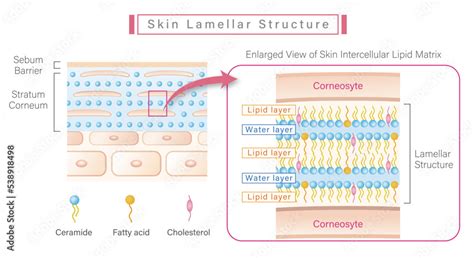
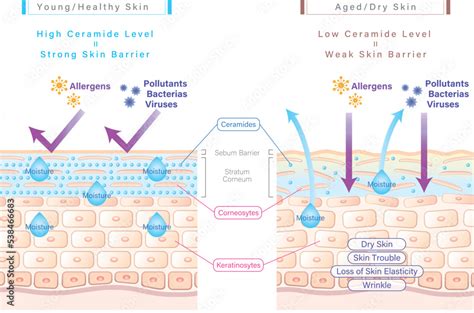
Ceramides are a family of essential waxy lipids naturally located in the outermost layer of the skin. They are fundamental to the integrity of the skin moisture barrier. If you envision the stratum corneum as a brick wall, with skin cells as the 'bricks,' then ceramides act as the 'mortar' that binds them together, sealing the gaps. Ceramides make up approximately 50% of the skin's lipids that form your natural skin barrier. Composed of fatty acid and sphingosine, ceramides are the most abundant lipid found in the top layer of skin. They help keep your skin barrier balanced and intact-sealing moisture in and keeping harmful irritants out. When the skin barrier is compromised and deficient in ceramides, it can result in dry, dull, irritated, or cracked skin. A deficiency leads to water evaporation from the skin, known as transepidermal water loss, resulting in dry skin. This deficiency may contribute to conditions like eczema (atopic dermatitis) and psoriasis. Including ceramides in your skincare routine benefits everyone, as reduced ceramide levels can lead to dry and irritated skin. Studies indicate that individuals with eczema and psoriasis have lower levels of ceramides, and dry and acne-prone skin have also been associated with these lower levels.
CeraVe's ceramides are delivered efficiently within the skin's barrier and released slowly over time due to their Multivesicular Emulsion (MVE) technology.
2. Cholesterol and Fatty Acids
In conjunction with ceramides, cholesterol and fatty acids (including Omega-3 and Omega-6) play an important role in the skin's lipid content. These lipids work in coordination: cholesterol helps organize ceramides appropriately and improves the flexibility of the skin barrier, while free fatty acids help seal cells together. In optimized proportions, they can normalize barrier function and improve skin hydration.
3. Hyaluronic Acid
Hyaluronic acid is a naturally occurring substance in the body that hydrates the skin. This powerful humectant binds water molecules to collagen, the protein forming the main structure of the skin, to support plumpness and bounce.
4. Shea Butter
Shea butter has a unique composition that makes it excellent for lipid replenishment. With a fatty acid composition similar to our skin, it helps to soothe the skin.
5. Jojoba Oil
Jojoba oil acts as an emollient, forming a protective layer over the skin to prevent moisture loss.
6. Vitamin C
This popular antioxidant helps protect the skin against free radicals, while also brightening the complexion and promoting collagen production.
7. Vitamin E
Vitamin E, also known as alpha-tocopherol, is another potent antioxidant that supports skin health.
8. Panthenol
Panthenol, or pro-vitamin B5, is a stable precursor of vitamin B5 (pantothenic acid). Its moisturizing and comforting properties are highly beneficial for dry, mildly compromised, and sensitive skin. It acts as both a humectant, attracting water into the skin, and a soothing agent with skin-healing and anti-inflammatory properties that reduce redness, irritation, and sensitivity.
9. Amino Acids
Amino acids are the fundamental building blocks of proteins, contributing to the overall structure and function of the skin.
10. Niacinamide
Niacinamide, or vitamin B3, is a versatile skincare ingredient known for its antioxidant and anti-inflammatory properties. It helps repair oxidative damage and combat skin aging. Niacinamide also actively strengthens the skin barrier by supporting ceramide production and balancing oil production. It can penetrate the skin barrier and alter its structure, making it more flexible in dry conditions.
Practices for Maintaining a Healthy Skin Barrier
In addition to using effective ingredients, certain skincare practices are essential for maintaining a healthy skin barrier.
Gentle Cleansing
A gentle cleanser removes impurities efficiently without stripping away natural oils or irritating the skin. This allows your skin to better absorb subsequent skincare products like serums or moisturizers.
Mindful Exfoliation
While regular exfoliation is important for removing dead skin cells, over-exfoliating can strip the skin of its protective layer, leading to increased sensitivity and irritation. It's crucial to find a balance that suits your skin's needs.
Sun Protection
Sun protection is a critical component of protecting both the outer layer of the skin and its cellular level. Avoiding excessive sun exposure by wearing protective clothing and a hat is also recommended.
Product Recommendations for Barrier Repair
Several products are specifically formulated to support and repair the skin barrier. CeraVe's Advanced Repair Balm, for instance, is designed to protect the skin from dryness and external irritants by restoring and maintaining the skin's moisture barrier function. This multi-purpose balm hydrates, soothes, and protects dry, rough skin, leading to smoother, more hydrated skin.
Experts highlight various barrier-strengthening products based on their key ingredients:
- Best with Ceramides: Aestura Atobarrier365 Cream, Dr. Jart+ Ceramidin Skin Barrier Moisturizing Cream
- Best with Cholesterol: SkinCeuticals Triple Lipid Restore 2:4:2, CosRx The Ceramide Skin Barrier Moisturizer, Naturium Barrier Bounce Advanced Skin Hydrator, EltaMD Barrier Renewal Complex
- Best with Panthenol: La Roche-Posay Cicaplast Baume B5, Dr. Althea Reju 5000 Cream, Superegg Sound Renewal Serum Cream, Purito Seoul Might Bamboo Panthenol Cream
- Best with Niacinamide: Paula's Choice 10% Niacinamide Booster, Medicube Collagen Niacinamide Jelly Cream, Beauty of Joseon Revive Serum, Skinfix Barrier+ Triple Lipid Activating Serum
- Best with Colloidal Oatmeal: Aveeno Eczema Therapy Nighttime Itch Relief Balm, Avène XeraCalm Eczema Calming Relief Balm, Dieux Mercy Recovery Cream
- Best with Natural Moisturizing Factors: Dr. Idriss Left Un-Red CalmBack Cream
The Skin Barrier function
When choosing products, consider those containing active ingredients like ceramides, cholesterol, and other lipids that supplement and replenish the skin barrier's natural compounds. Ingredients such as panthenol and natural moisturizing factors also play vital roles in restoring the skin barrier.
It is equally important to avoid ingredients that can dry out or damage the skin barrier, such as alcohol, abrasive mechanical exfoliators, or excessive exfoliation in general.