Talc is a natural mineral composed of magnesium, water, silicon, and oxygen. Its unique properties, including softness, smoothness, and fragrance retention, make it a valuable ingredient in various personal care products and cosmetics. While talc offers numerous benefits, particularly in makeup and skincare, its safety has become a subject of significant debate due to potential health risks.
Benefits and Uses of Talc in Cosmetics
Talc's primary functions in makeup and personal care products revolve around its ability to absorb moisture, provide a smooth texture, and enhance product performance. Its key benefits include:
Moisture Absorption and Mattifying Effect
One of the most significant advantages of talc in cosmetics is its exceptional ability to absorb moisture and oil. This property is crucial for makeup, especially setting powders, as it helps to:
- Absorb excess moisture and oil: Talc effectively soaks up sweat and sebum, preventing makeup from creasing, smudging, or fading throughout the day.
- Minimize excessive sweat production: It helps to keep the skin dry, which is particularly beneficial in humid conditions or for individuals prone to sweating.
- Provide a mattifying finish: By absorbing oil, talc reduces shine, giving the skin a balanced and less oily appearance. This is why many setting powders list talc as a primary ingredient for its mattifying capabilities.
This is why talc is often recommended for oily or moist skin types and is a sought-after ingredient for those looking to achieve a long-lasting, matte makeup look.

Smooth Texture and Silky Finish
Talc's fine, smooth texture contributes to a desirable feel and look on the skin:
- Soft, silky texture: It imparts a smooth, velvety feel to the skin, enhancing its overall texture and appearance.
- Improved spreadability: Talc helps makeup products spread more quickly and evenly across the skin.
- Fuzzy effect on imperfections: Its micronized particles can subtly blur the appearance of pores and fine lines, contributing to a flawless skin finish.
Setting Makeup and Extending Wear-Time
As a setting ingredient, talc plays a vital role in the longevity of makeup:
- Keeps makeup in place: When applied over liquid or cream-based makeup, talc helps to set the product, preventing it from shifting or sliding.
- Extends makeup wear-time: By absorbing excess moisture, talc prevents makeup from breaking down or fading prematurely, ensuring it looks fresh and vibrant for longer periods.
Fragrance Retention and Blending
Talc's porous structure allows it to hold fragrances, making it a popular addition to scented powders. Additionally, its fine particles act as an excellent blending agent in cosmetic formulations:
- Uniform distribution of ingredients: Talc ensures that various components in a cosmetic product are evenly dispersed, leading to consistent application and coverage.
- Fragrant aroma: It can enhance the scent of products, providing a pleasant aroma.
Versatility in Cosmetic Products
Due to its multifunctional nature, talc is found in a wide array of cosmetic products, including:
- Face powders
- Blushes
- Eyeshadows
- Pressed powders
- Soaps
- Deodorants
Its ability to absorb moisture, smooth the skin, and set makeup makes it an excellent ingredient for improving the performance and aesthetics of various formulations.
Historical Uses and Other Applications
Beyond cosmetics, talcum powder has a long history of use in various household and personal care applications:
- Baby Powder: Traditionally used to dry a baby's skin, prevent diaper rash, and provide a clean, fresh scent. However, caution is advised due to the risk of inhalation.
- Soothing Dry Skin and Irritation: Individuals with conditions like eczema and psoriasis have used talcum powder to alleviate itchiness and keep affected areas dry.
- Reducing Chafing: Applied to areas prone to rubbing, such as thighs and underarms, to prevent skin irritation during physical activity.
- Drying Skin After Bathing: Used to gently dry the skin without stripping its natural moisture, particularly beneficial for feet.
- Cooling Bed Sheets: Some individuals sprinkle talcum powder on bed sheets to enhance comfort and freshness.
- Post-Shave Application: In some barber shops, talc is used after shaving to provide a smoothing and calming effect on the skin.
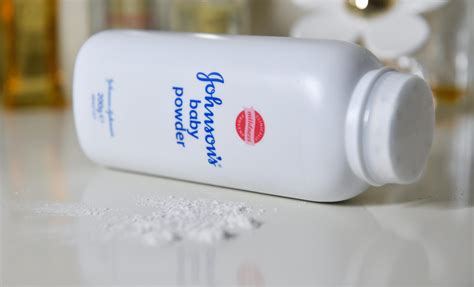
Safety Concerns and Controversies Surrounding Talc
Despite its widespread use and benefits, talc has been associated with significant health concerns, primarily related to potential contamination with asbestos and its link to certain types of cancer.
Asbestos Contamination
A major concern is that talc deposits are often found alongside asbestos in the earth. Asbestos is a known carcinogen, and its presence in talc can pose serious health risks if inhaled. This contamination has led to recalls and legal actions in the past, particularly concerning cosmetic products found to contain asbestos.
Link to Ovarian Cancer
One of the most debated issues is the potential link between talc-based feminine hygiene products and ovarian cancer. Numerous lawsuits have been filed against manufacturers, alleging that the companies were aware of the risks but failed to adequately warn consumers. While the scientific evidence is still debated, the sheer volume of lawsuits and some study findings have raised significant concerns.
- In July 2024, the World Health Organization’s International Agency for Research on Cancer (IARC) published a report stating that talc is “probably carcinogenic in humans.”
- While evidence directly linking talc use to ovarian cancer in humans is limited, studies on animals have raised concerns.
Pulmonary Talcosis
Inhalation of talc dust can lead to a severe lung inflammation known as pulmonary talcosis, or "talc lung." This condition can manifest with symptoms ranging from shortness of breath to respiratory failure. There have been documented cases of individuals developing talcosis after prolonged and extensive use of cosmetic talc.
Important Note: When using talcum powder on infants, it is crucial to be cautious. Creating large clouds of powder can pose a danger if inhaled, and there have been rare reports of fatalities due to talc inhalation in children.
Regulatory Oversight and Alternatives
The safety of talc in cosmetics is overseen by various bodies, including the Cosmetic Ingredient Review (CIR) panel in the United States, which plays a role in the self-regulation of the cosmetics industry. The Food and Drug Administration (FDA) also monitors potential safety issues with cosmetics, including talc products, and can intervene if necessary.
Given the ongoing concerns, many consumers and manufacturers are seeking alternatives to talc:
- Talc-Free Cosmetics: An increasing number of makeup brands are offering talc-free formulations.
- Mica: Mica is a naturally occurring mineral that is often used as a talc alternative in cosmetics, providing shimmer and coverage without the associated health concerns.
- Other Absorbent Ingredients: Various starches (like cornstarch or rice starch) and clays are used for their absorbent properties in talc-free products.
When choosing cosmetic products, it is advisable to read ingredient labels carefully. Resources like the Environmental Working Group’s Skin Deep Cosmetics database can provide further information on product ingredients.
While talc has historically been a popular and effective ingredient in setting powders and other cosmetic products, its potential health risks necessitate careful consideration. Consumers can make informed choices by being aware of the benefits, potential dangers, and available alternatives.