The Sacral Chakra, also known as Svadhishthana Chakra, is the second energy center in the chakra system. Located in the lower abdomen, it governs creativity, emotions, sexuality, and pleasure. In yoga philosophy, the human energy system is described through seven main chakras. These energy centers run along the spine and influence different aspects of physical, emotional, and mental life. The Sacral Chakra is the second chakra in this traditional system. This guide will explore the defining characteristics of the second energy center and important signs and symptoms to look out for. It will also demonstrate how to heal and balance this chakra with powerful yogic tools like yoga poses, chakra meditation, and positive affirmations.
What Is the Sacral Chakra?
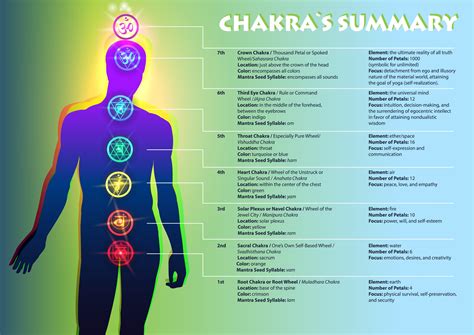
In yogic philosophy, the Sacral Chakra is the second energy center, often associated with Vyana Vayu, the prana that circulates energy throughout the body. It is associated with the element of water and the vibrant color orange. This energy assists in letting go, accepting change, and in transformation life. It is also a direct line to our creativity, intuition, and sexual pleasure.
Meaning and Location of the Sacral Chakra
The Meaning of Svadhishthana
The Sanskrit name Svadhishthana means “dwelling place of the Self,” supporting the personal expansion and exploration of sexuality, desires, and creativity. In yogic philosophy, the meaning of Svadhishthana chakra refers to the inner space where emotions, desires, and creativity arise. It encourages healthy exploration of pleasure, relationships, and personal expression. The teachings about the chakras come from traditional yoga and Tantra texts that describe how energy moves through the body and mind.
Location of the Sacral Chakra
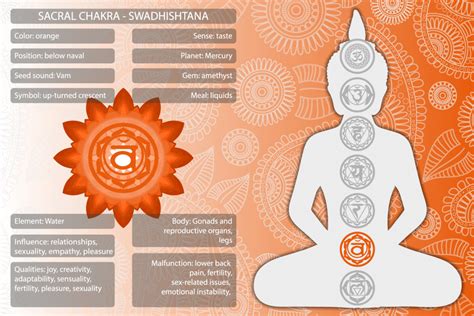
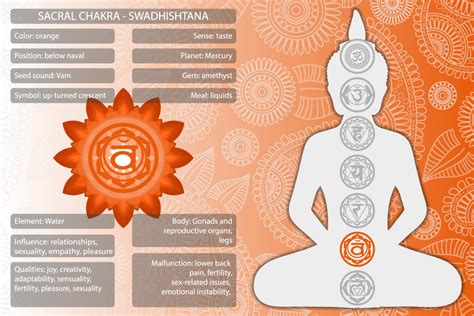
The location of the sacral chakra is in the lower abdomen, approximately four fingerbreadths below the navel and near the pelvis. In the physical body, it corresponds to the reproductive organs, bladder, and kidneys.
Sacral Chakra Responsibilities and Characteristics
What the Sacral Chakra Is Responsible For
The Sacral Chakra is responsible for the storage and distribution of vyana prana and for maintaining the water element in the body. Due to its location, it is also closely associated with the bladder, kidneys, and reproductive organs and helps regulate the energy flow in this area of the body.
Key Characteristics of the Sacral Chakra
- Symbol: The artistic symbol for the Svadhishthana Chakra consists of multiple circles, a crescent moon, and a lotus flower with six petals. The circles and crescent moon represent the cyclical nature of life, death, and rebirth, while the six petals symbolize the six negative aspects of our nature that we need to overcome to bring balance to our minds and body.
- Element: Water (Jala): In yogic philosophy, the sacral chakra element is water, ‘Jala’, which represents flow, adaptability, and emotional movement. When the water element is balanced, it is believed to support creativity, healthy emotional expression, and the ability to adapt to life’s changes. It is very important to refresh the water element regularly. The water element governs our sense of joy and pleasure in life and is associated with our sexuality, sensory desires, emotions, and creativity. Connecting with water, such as a lake or river, helps promote balance here. Taking a shower or a warm bath can also regulate overwhelming emotions.
- Prana: Vyana Vayu: The prana associated with the second energy center is Vyana Vayu. In yogic philosophy, Vyana Vayu is one of the five pranas that circulate energy through the body. It supports the movement of nutrients, breath, and vitality to different areas of the body. When Vyana flows smoothly, a person may feel balanced, energized, and connected to their emotions.
- Color: Orange: The Svadhishthana Chakra is often associated with the color orange. This vibrant color is symbolic of rising consciousness, similar to a sunrise. Orange is also the color of activity and purity, and it is in this chakra that we design our life vision.
When the Sacral Chakra Opens and Becomes Blocked
What Happens When the Sacral Chakra Opens
In yoga practice, an open or balanced Sacral Chakra is often described as supporting healthy emotional expression, creativity, pleasure, and fulfilling relationships. The sacral chakra enables us to shape our desires. As the center of passion, it awakens the power of creation, allowing a person to discover the power of choice and create intimate relationships. Motivated by pleasure, Svadhishthana Chakra promotes emotional well-being. It plays an active role in our sexuality and the expression of our emotional needs and desires. According to yogic texts, chakras describe subtle energy in the body; these ideas come from traditional teachings and are not part of modern medical science.
Emotional Intimacy, Relationships, and the Sacral Chakra
This chakra is centered on personal identity and how it responds to the seductive forces of the physical world. A person with an open and balanced Sacral Chakra has the ability to enjoy the senses with discipline and keep their emotions and relationships in balance. When the second chakra is unbalanced, it causes emotional disturbances, reduced creativity, and an obsession with sexual thoughts. A person with an open and balanced Svadhishthana Chakra has the ability to take risks and experience positivity and compassion fully.
What Happens When the Sacral Chakra Is Blocked?
Signs of blocked sacral chakra energy often include emotional instability, reduced creativity, difficulty expressing feelings, and imbalance in sexual energy. When the Sacral Chakra is blocked or imbalanced, it can make you feel emotionally unstable. You may be either too sensitive or not in touch with your emotions at all. You might be lacking creativity and discipline, as well as having an addiction to sensory pleasure. Emotional struggles such as anxiety, low mood, or fear in relationships are sometimes linked to an imbalance in the Sacral Chakra. Some people also report physical discomfort when this energy center feels out of balance, especially in the lower part of the body.
Possible physical discomforts linked to Sacral Chakra imbalance:
- Tension in the hips or lower back
- Low energy or fatigue
- Reduced sexual vitality
- General stiffness in the pelvic area
- Difficulty expressing emotions
- Low creativity or inspiration
- Fear of pleasure or intimacy
- Emotional ups and downs
- Feeling disconnected from others
Causes and Symptoms of Sacral Chakra Imbalance
What Causes Sacral Chakra Imbalance?
Several factors can disrupt the natural flow of energy in the sacral chakra. Emotional trauma, suppressed feelings, unhealthy relationships, chronic stress, and lack of creative expression are common causes. Based on yogic teachings, imbalance may also arise when a person suppresses pleasure, ignores emotional needs, or experiences persistent fear or guilt.
Overactive Sacral Chakra Symptoms
An overactive Svadhishthana Chakra means that there is too much vyana being distributed throughout the body. Since the second chakra governs emotions, overactive energy creates overwhelming feelings and emotions, which can manifest as:
- Extreme mood swings
- Dissatisfaction with life
- Addictive behaviors
- Feeling disconnected from the world
- Intense displays of affection
- Uncontrollable sexual urges and sensory desires
Underactive Sacral Chakra Symptoms
An underactive energy center can affect your entire physical and mental well-being. When the Svadhishthana Chakra is blocked, feelings ranging from uncertainty to an inability to cope with life’s changes permeate. The path to freely express desires hinders artistic abilities, and you may begin to depend on others emotionally, resulting in psychological imbalance and detachment from the Self. Other symptoms include:
- Fear of pleasure
- Lack of creativity
- Fatigue
- Lack of desire
- Insecurity
- Detachment
- Low libido
- Depression
How to Unblock and Heal the Sacral Chakra
While practicing, teachers often notice that working with the hips, breath, and emotions can help students feel more open and creative. Many yoga traditions include movement, meditation, and mantra to support balance in this energy center. Here are several effective ways you can balance your second chakra:
Affirmations for Sacral Chakra Healing
Affirmations are a positive way to heal negative programming that can be embedded in the subconscious. Practicing affirmations can reprogram the subconscious with a positive mindset and raise energy vibrations. Use these Sacral Chakra affirmations to promote positive energy and balance in your life:
- I am passionate.
- I am a creative being.
- I have boundaries that protect me.
- I am fulfilled in my passions.
- I embrace change as a healthy part of life.
- I have an abundance of creativity.
- My emotions are in balance.
Sacral Chakra Meditation
Meditation plays a vital role in balancing and opening chakras. Chakra meditation techniques are very similar to general meditation techniques; the main difference is the focus and end goal of the practice. Practicing Sacral Chakra meditation regularly can help channel positive energy and thought patterns, boosting creativity, joy, and confidence. In yoga and meditation practice, a simple way to work with the Sacral Chakra is to sit comfortably, focus on the lower abdomen, and visualize a warm orange light in this area while breathing slowly and deeply.
Sacral Chakra Mantra
In yogic tradition, each chakra is associated with a seed sound known as a bija mantra. The sacral chakra mantra is “Vam”. Chanting this mantra during meditation while focusing on the lower abdomen is believed to stimulate the Svadhishthana Chakra and support emotional balance, creativity, and vitality.
Sacral Chakra Yoga Poses for Energy Activation and Alignment
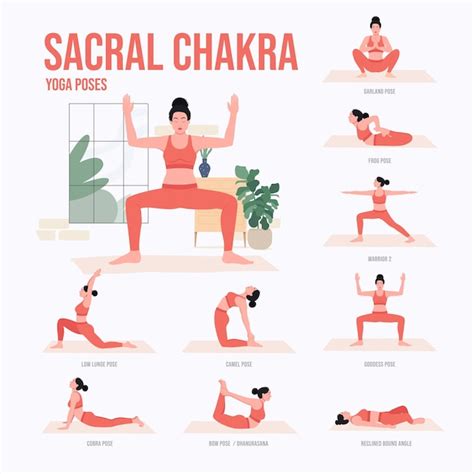
Yoga exercises that involve hip opening or hip rotation are particularly beneficial for the sacral chakra. These poses help to release blocked energy and promote a sense of freedom and creativity.
Crow Pose (Kakasana)
Kakasana, or Crow Pose, brings mental balance and focus while strengthening the wrists and arms. Regular practice of this yoga asana stimulates the Svadhishthana Chakra, increasing core awareness, removing fatigue, and improving the function of your urinary tract, kidneys, and reproductive system. To practice:
- Stand on your mat with your feet shoulder-width apart.
- Bend forward, allowing your knees to bend and rest against your upper arms just above your elbows.
- Keep the connection between your arms and knees as you place your hands on the floor.
- Shift your weight onto your hands and lift your feet off the floor, one by one, pulling them up towards your hips.
- If you feel stable, press through your hands to straighten your arms as much as possible.
- Hold the pose as long as it is comfortable, breathing evenly. Remember to honor your body and make any necessary adjustments.
Classical Triangle Pose (Trikonasana)
Classical Triangle Pose, also known as Trikonasana, balances the functions of your urinary tract, kidneys, and gonads. The gentle side body stretch also tones and strengthens your abdominals and back muscles and improves overall balance and concentration. To practice:
- Inhale and bring your arms up next to your ears, reaching upwards and lengthening your spine. Place your palms together, ensuring your hands stay in a straight line above your forehead.
- As you exhale, press your right heel into the floor and reach up and out to your left side.
- Initiate the movement at the base of your spine and keep both sides of your torso elongated as you extend your entire torso to your left.
- Remember to breathe deeply and move mindfully, honoring your body’s needs and limitations.
Side Plank Pose (Vashishtasana)
This yoga pose for the Sacral Chakra strengthens and tones the arms, core, and legs, while simultaneously channeling energy to your sacrum. For a wider opening in the hips and groin, you can extend the leg up toward the ceiling. Be cautious of your balance here. To practice:
- Begin in a high plank position, with your wrists below your shoulders, legs straight, and feet together.
- Lift your left arm off the floor and rotate your body so that your left shoulder is above your right. Stack your left foot on top of your right, supporting the weight of your body on the outer right foot and right hand.
- Bend your left knee and draw your thigh towards your torso. Then, reach inside the bent leg and use the index and middle fingers of your top hand to grab your big toe.
- Remember to keep your core engaged and your breath steady. Find a comfortable balance and enjoy the opening in your hip flexor and the stretch in your hamstring.
- Hold onto something for support and lift your left leg straight up towards the ceiling. Focus on finding your balance, keep your gaze up towards the ceiling, and hold the pose as long as it’s comfortable, breathing evenly.
Standing Forward-Bend Pose (Uttanasana)
Standing Forward-Bend Pose provides a rejuvenating stretch for the hips, hamstrings, and calves while balancing the energy center. Relaxing your upper body, this forward fold also helps release tension in the back and neck with stress and anxiety-relieving benefits. To practice:
- Stand on your mat, either with your feet together or hip-width apart.
- As you exhale, gently bend forward from your hip joints, allowing your upper body to fold forward. Keep your knees straight and bring your palms or fingertips to the floor, just in front of or beside your feet.
- With each inhalation, feel your front torso lifting and lengthening ever so slightly. As you exhale, allow yourself to release a little more fully into the forward bend.
- To come out of this pose, bend your knees until your torso touches your thighs. Press your heels firmly into the floor and begin to roll your spine upward, vertebra by vertebra, until your shoulders and head come up last.
Handstand Pose (Adho Mukha Vrkshasana)
Handstand Pose is an advanced yoga posture that builds strength in the shoulders, back, and abdomen. In yoga practice, strong and steady poses like this are sometimes used to awaken and move energy in the body. To practice:
- Start in Downward-Facing Dog Pose with your hands in line with your shoulders and actively pushing into the floor.
- Walk your feet inwards towards your chest while keeping your arms straight and shoulder blades drawn away from your ears. Engage your core and suck in your navel towards your spine.
- Looking slightly forward, lift one leg up towards the ceiling and push off from the other leg. With a gentle hop, follow with that leg so that you are standing on your hands.
- Squeeze your inner thighs together, point your feet towards the ceiling, and focus on maintaining a straight line from your hands to your feet.
Other Healing Modalities
- Connecting with Water: Spending time near water, such as a lake or river, or taking a warm bath can help regulate emotions and promote balance.
- Dietary Adjustments: Eating greater quantities of high-prana food, such as fresh fruits and vegetables, plant-based meals, and sprouted grains and legumes, can be beneficial.
- Mudras: Hand positions called mudras can be used to improve mind-body connection. One such mudra involves gently touching the thumbs and index fingers together, forming a ring, while keeping the other fingers outstretched or loosely curled.
- Sound Healing: Chanting mantras like "Vam" or "Om" can help activate and balance chakras through their vibrational frequencies.
- Energy Healing Practices: Techniques like SKY Breath Meditation and guided chakra clearing sessions are believed to awaken energy centers and promote balance.
- Journaling and Self-Reflection: Exploring emotions, beliefs, and addictions through journaling can help identify and release blockages.
- Color Therapy: Introducing the colors orange, peach, and apricot into your life, as they are associated with the sacral chakra, can be supportive.
- Creative Expression: Engaging in activities like sculpting, drawing, photography, or cooking can help purge emotions and stimulate creativity.
- Mindful Movement and Dance: Spontaneous dancing or yoga that involves hip opening can release blocked energies.
- Tantric Sex: Approaching sexual intimacy with sacredness, gentleness, and attention can be healing.
- Setting Boundaries: Healing or giving up on toxic relationships and setting healthy boundaries is crucial for self-care.
- Balancing Feminine and Masculine Energies: Recognizing and harmonizing these energies within oneself.
2nd Sacral Chakra (7 chakras) - Guided Meditation
Understanding Sacral Chakra Trauma
The sacral chakra, or Svadhisthana, is the center of our emotional, creative, and sexual energy. Sacral Chakra healing is the practice of opening, clearing, cleansing, supporting, and strengthening the sacral chakra within our bodies. When this energy center becomes blocked or imbalanced due to trauma, it can have profound effects on our overall well-being. Feeling lost, stuck, and trapped in repetitive cycles of pain can be a sign of a deficient sacral chakra, leading to issues such as detachment, emotional coldness, and sexual frigidity. Conversely, a clear, strong, and harmonious sacral chakra brings joy, self-acceptance, honor for sacred sexuality, emotional openness, and healthy boundaries.
To address sacral chakra trauma and imbalances, consider the following:
- Purge emotions through catharsis.
- Engage in activities that spark your interest, such as sculpting, drawing, or cooking, with a focus on enjoyment rather than perfection.
- Explore and address childhood beliefs, ideals, and prejudices towards sexuality.
- Balance emotional explosions by becoming more mindful of emotional triggers.
- Incorporate warming and stimulating herbs like ginger into your diet.
- Explore the root causes of addictions through journaling or therapy.
- Seek empowering spiritual resources, accept your body type, and join supportive groups.
- Introduce colors associated with the sacral chakra (orange, peach, apricot) into your life.
- Visualize a luminescent orange light in the area below your bellybutton.
- Allow yourself to break rigid routines and try new things.
- If in a relationship, explore creative forms of sexuality together; if single, explore creative forms of self-pleasure.
- Practice yoga to open blocked energy channels.
- Be mindful of your thoughts, as they manifest into reality.
- Incorporate humor and lightheartedness into your life.
It is essential to identify whether you have a deficient or excessive chakra blockage and choose healing activities accordingly. Remember that change always starts from within, and energy healing can be a powerful tool for transformation and creating a more balanced and fulfilling life.