While conventional over-the-counter (OTC) acne treatments are widely available, some individuals explore less conventional methods. Among these, honey has gained attention as a potential acne treatment, evidenced by its growing presence in spa treatments and numerous anecdotal reports online, particularly on platforms like Reddit, showcasing before-and-after transformations.
One user on Reddit shared their experience, stating that daily application of raw honey cleared their skin more effectively in a week than established treatments like salicylic acid, benzoyl peroxide, sulfur, or retinoids. This anecdotal success highlights the intrigue surrounding honey's potential benefits for acne-prone skin.
Understanding Honey's Potential Antibacterial Properties
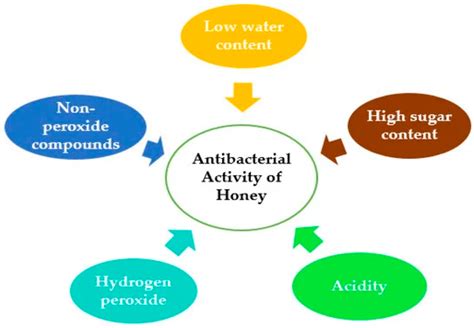
The antibacterial properties of honey are a key reason for its consideration in acne treatment. While specific studies on honey's effect on P. acnes, the primary bacterium contributing to acne, are limited, research has demonstrated its efficacy against other bacteria. A study published in the Journal of Antibacterial Chemotherapy indicated that honey, in concentrations between 2.5% and 5%, is effective against staphylococci, a harmful bacterium. Dermatologist Schueller suggests that given honey's known antibacterial mechanisms, it is plausible that it could also be effective against P. acnes, even without direct study confirmation.
The Importance of Raw Honey
For any potential benefit in treating acne, it is crucial to use raw honey. Annie Chiu, a dermatologist, emphasizes that processed honey, often treated with heat or diluted with water, loses its essential antibacterial and anti-inflammatory properties. "Most popular brands of honey are treated in some way, by heating or adding water, for example. These processed honeys are very unlikely to work [in treating acne] because the antibacterial and anti-inflammatory properties are destroyed in the processing," she explains. Therefore, Chiu advises selecting an all-natural, raw, unprocessed, and unheated honey with no added ingredients, ideally sourced from organic hives that have not been treated with chemicals or antibiotics.
The recommended method for using honey as an acne treatment, according to Chiu, is to apply it as a mask. Leave the honey on the skin for 15 to 20 minutes before washing it off to help both treat and prevent future acne flare-ups.
How Raw Honey May Benefit Inflamed Acne
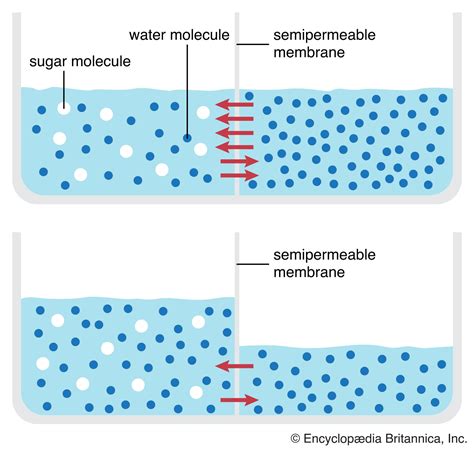
Raw honey can be particularly helpful for inflamed acne due to its unique properties. Dermatologist Kavita Mariwalla explains that honey has an osmotic effect on the skin, drawing out excess fluid and helping to reduce inflammation, making inflammatory acne appear less severe. "Raw honey works to make inflammatory acne look less angry because it has an osmotic effect on the skin-it can draw out [excess fluid] and help reduce inflammation," Mariwalla states. Additionally, honey acts as a calming agent, which helps to reduce redness associated with breakouts.
However, it's important to note that honey is not effective for cleansing pores. Mariwalla cautions against the misconception that honey's stickiness will pull out dirt: "Do not be fooled into thinking that the honey will pull out dirt because it is sticky. It may leave a film on the skin which you then have to rinse vigorously. Unfortunately, it's not like a liquid Bioré pore strip."
Limitations of Honey as an Acne Treatment
Despite its potential benefits, honey is not as potent as traditional acne medications. Joshua Zeichner, director of cosmetic and clinical research in dermatology at Mount Sinai Hospital, stresses that while honey possesses antibacterial and anti-inflammatory qualities, it is not a substitute for established acne treatments like benzoyl peroxide. "While honey can offer some benefits in helping treat acne, it is not as effective as traditional acne treatments, like benzoyl peroxide," he notes. Benzoyl peroxide, he explains, is highly effective at killing acne-causing bacteria and unclogging pores, especially for large, red pimples requiring rapid treatment. Honey, on the other hand, does not possess the ability to unblock pores.
Furthermore, the claim that honey diminishes acne scars is largely unsubstantiated. Rachel Nazarian, a dermatologist, points out that while honey has demonstrated effectiveness in wound healing and preventing infection, as seen in studies involving topical treatments for burns, there is no evidence to support its use in scar repair. However, Chiu suggests that honey's ability to accelerate healing might indirectly help minimize post-acne redness and hyperpigmentation by reducing the overall healing time of a breakout.
The Science Behind Honey's Skin Benefits
Honey, more than just a sweetener, is a complex, bio-active fluid with significant benefits for the skin. For centuries, natural skin enthusiasts have recognized its therapeutic properties. Dr. Kemi Fabusiwa, an NHS doctor, highlights honey's potential to address various skin concerns, including acne, dryness, pH imbalance, and uneven skin tone.
Key Properties of Honey for Skin
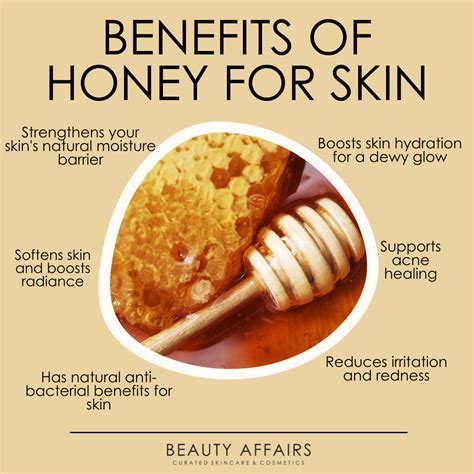
- Natural Enzymes and Humectant: Honey contains natural enzymes and acts as a humectant, attracting moisture to the skin and aiding in its retention.
- Antibacterial Properties: Its natural antibacterial properties may help combat specific bacteria associated with acne.
- Antioxidant Power: Honey is a potent antioxidant, protecting the skin from free radical damage caused by environmental pollutants and potentially reducing signs of aging.
- Flavonoids: The presence of flavonoids can decrease pro-inflammatory markers, thereby reducing skin inflammation.
- Osmotic Effect: Honey's high sugar density and low water content create an osmotic effect that draws out excess fluid and toxins from pimples.
- Enzymatic Exfoliation: Trace amounts of gluconic acid, a mild Alpha-hydroxy Acid (AHA), in raw honey gently dissolve dead skin cells, promoting faster cell turnover.
- Deep Hydration: A moist environment is conducive to scar healing, and honey's humectant properties contribute to this.
Types of Honey and Their Specific Benefits
The effectiveness of honey for skincare can vary depending on the type. Dr. Chris Tomassian, a board-certified dermatologist, notes that "not all honey is created equal-the choice of honey type can depend on the specific skin concern being addressed."
- Manuka Honey: Renowned for its superior antibacterial properties, Manuka honey is particularly beneficial for acne-prone or inflamed skin. It is backed by extensive research and is even used clinically for wound treatment globally. Some research suggests it retains antibacterial properties even when hydrogen peroxide activity is blocked.
- Lavender Honey: Suitable for skin conditions like psoriasis and eczema, offering a soothing effect.
- Orange Blossom Honey: Rich in antioxidants, making it ideal for brightening the complexion and addressing hyperpigmentation.
- Thyme Honey: Possesses potential antibacterial and anti-inflammatory properties that may benefit acne.
Regardless of the specific type, raw, unprocessed, and unheated honey is always the preferred choice for skincare. Dr. Fabusiwa emphasizes that "Raw honey retains more of its natural enzymes, antioxidants, and nutrients that may offer potential benefits for the skin." It is also important to ensure the honey is sourced sustainably and free from adulterants.
Other Bee Products for Skin Care
While honey is the most discussed bee product for skincare, other derivatives like propolis and royal jelly also offer benefits. Propolis, known as the "bee glue," contains phenolic compounds that provide antioxidant, anti-inflammatory, and antibacterial properties, with topical extracts available.
Royal jelly, a secretion consumed by the queen bee, is believed to be effective in moisturizing due to its humectant properties and may even stimulate collagen production. However, these are distinct from honey in their form and primary functions.
How to Use Honey for Skin and Acne Treatment
Applying honey to the skin can be done in several ways, with consistency being key.
DIY Methods
The most straightforward method is to apply a thin layer of raw honey directly to clean, dry skin. Leave it on for approximately 15 to 20 minutes before rinsing thoroughly with lukewarm water. Dr. Brendan Courneene, a naturopathic doctor, suggests this direct approach for a makeshift mask. For those seeking a less sticky or more targeted treatment, honey can be mixed with other ingredients:
- Spot Treatment: Apply honey directly to individual blemishes using a clean Q-tip.
- All-Over Face Mask: For larger areas, apply honey as a mask.
- Mixtures for Less Stickiness or Enhanced Benefits:
- Honey with yogurt, oatmeal, or clay for a mask.
- Honey with turmeric for natural brightening.
- Honey with lemon juice (astringent) and cinnamon (to increase blood flow).
- Honey mixed with yogurt, ground oats, brown sugar, mashed bananas, or cinnamon.
After applying any mask or spot treatment, allow it to sit for 10 to 20 minutes before rinsing. A gentle exfoliant or cleanser can be used for rinsing, or simply warm water. It is advisable to perform a patch test on a small area of skin, such as the inside of the elbow, before full facial application to check for any allergic reactions or irritation.
Following a honey treatment, it is recommended to continue with the rest of your skincare routine, including toner, moisturizer, and sunscreen (SPF 30+).
🍯 3 Best ways to use honey for clear, healthy and glowing skin
Over-the-Counter (OTC) Honey-Based Products
For those who prefer not to use DIY methods, numerous honey-based skincare products are available. Popular options include:
- Farmacy Honey Potion Renewing Antioxidant Mask: Features a proprietary honey blend designed to hydrate and deliver antioxidants.
- Dr. Roebuck’s Tama Healing Mask: Utilizes Australian Manuka honey to soothe irritation, combined with turmeric for skin radiance.
- SheaMoisture Manuka Honey & Yogurt Glow Getter Pressed Serum Moisturizer: A less intense option that combines honey with yogurt, melting into the skin.
Considerations and Potential Side Effects
While honey offers potential benefits, it is not suitable for everyone. Individuals with sensitive skin may experience irritation from honey or other bee products. Allergic reactions, though rare, can occur and may manifest as rashes or hives.
Honey is considered an animal by-product, making it unsuitable for vegans or those committed to avoiding animal-derived products.
When to Expect Results and When to Discontinue Use
Visible soothing and calming effects, such as reduced redness and inflammation, may appear the same day or the next day. However, the timeline for blemishes to fully heal with honey's antibacterial properties is less clear due to ongoing research.
If no significant results are observed with continued use, it may be time to consider more traditional acne treatments. It is crucial to immediately discontinue use if any adverse reactions occur, including:
- Rash
- Bumps
- Hives
- Worsened acne
- Increased inflammation
Alternatives and Complementary Treatments
If honey does not meet expectations or for those seeking similar antibacterial effects, alternatives include products containing benzoyl peroxide or salicylic acid. Tea tree oil is another popular natural option for oily or acne-prone skin. For more severe acne, prescription-strength medications like Accutane or dermatologist-administered cortisone shots may be necessary.
To soothe irritation and calm redness, ingredients such as aloe vera, calendula, chamomile, and colloidal oats can be beneficial.
Honey should not be viewed as a universal cure for acne. However, its antibacterial and soothing properties can help manage irritation and redness associated with blemishes. For those exploring at-home remedies, honey is a viable starting point, but a variety of other options exist. Consulting with a dermatologist can help determine the most suitable treatment plan for individual needs.