In the ever-evolving world of beauty trends, some innovations are more practical than others. While "clean beauty" and minimalist makeup have their place, radical approaches like using soda for skincare are generally met with skepticism. Similarly, the idea of using blue foundation might initially seem unusual, reminiscent of fictional characters. However, this beauty hack has proven to be surprisingly useful, particularly for individuals with neutral or cool undertones seeking to refine their foundation shade.
Beauty influencer Rose Siard demonstrated how blue-hued "mixing pigments" can effectively neutralize a foundation that appears too warm. This technique leverages the principles of color theory to achieve a more balanced and natural-looking complexion.
What is Blue Foundation and How Does it Work?
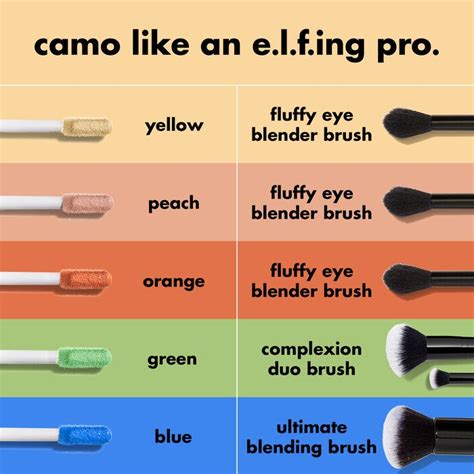
Blue foundation falls under the category of color-correcting cosmetics. Much like using peach concealer to counteract dark circles or green concealer to mask redness from acne or rosacea, blue's effectiveness lies in its position on the color wheel. The key to using blue foundation successfully is understanding your unique undertone.
Foundations come in various shades, each reflecting different depths of tone and categorized as 'warm,' 'cool,' or 'neutral' undertones. These undertones can be further broken down into specific hues: yellow, peach, and golden for warm undertones; pink and bluish for cool undertones; and a balance of these for neutral undertones. Some individuals may even have green undertones, often associated with olive skin.
While an expert can expertly color-match your perfect shade, the process can be challenging when shopping independently, especially online. The complexity of finding the right foundation shade is compounded by the difficulty of identifying the correct undertone. Furthermore, skin tone naturally fluctuates with the seasons-becoming paler in winter and darker in summer-making the pursuit of a perfect match even more elusive.
This is precisely where the blue foundation hack becomes valuable. If you've purchased a foundation that turns out to be too warm for your cool or neutral undertone, a few drops of blue pigment can adjust the shade to suit you better.
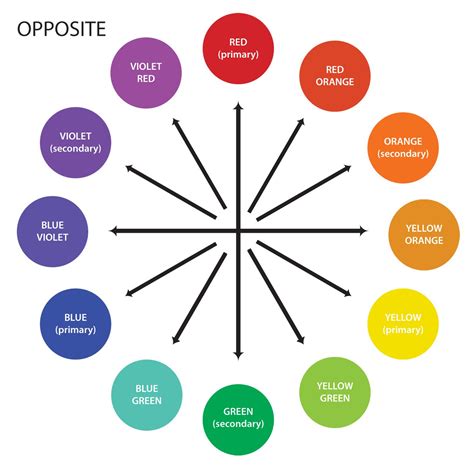
"Blue is directly opposite orange on the color wheel-which means that it neutralizes it," explains Los Angeles-based makeup artist Katrina Klein. "So, you can add blue drops to your foundation if it is too warm or orange, and you want to make it more neutral or cool-toned."
The cool blue shade of these mixing pigments is achieved through specific blue pigments. Cosmetic chemist Krupa Koestline notes, "Blue pigments like blue lake 1, various mica, and ultramarine blue help give the base of a blue color." These pigments are typically synthetically produced to meet regulatory standards.
Who Should Consider Using Blue Foundation?
While blue foundation is a clever tool, its expert recommendation is nuanced. "I think it's a great idea if you've been using a foundation in the summer and now you're not tanned and still want to finish the bottle," suggests Klein. "But I definitely would not recommend using it on a new foundation simply because there are so many color and undertone options these days. You should be able to find a foundation that matches your skin correctly without having to use color-correcting pigments."
However, there are specific scenarios where blue mixing pigments are exceptionally useful. For beauty editors who frequently receive foundation samples in incorrect shades, having blue mixing pigments on hand can make previously unusable, too-orange or too-red formulas wearable. This is particularly helpful for those with neutral skin tones who tend to receive samples that appear too tan, especially during winter months. Foundations like Exa High Fidelity Foundation, Lys Beauty Triple Fix Serum Foundation, and Kevyn Aucoin The Ealist Skin Illuminating Foundation have benefited from such adjustments.
For makeup artists building their kits, blue foundation mixing drops offer a cost-effective way to adjust foundation shades for a wider range of clients. The L.A. Girl Pro Matte Mixing Pigment, for instance, is lightweight and does not alter the final finish of the foundation.
Makeup artist Omayma Ramzy highlights that adding a small drop of blue to a foundation can transform it into a neutral-toned shade, making it more versatile. For those seeking a comprehensive solution, palettes like the RCMA Makeup Foundation Adjuster Palette offer a range of adjusters for all undertones, suitable for both foundations and concealers.
A bottle of blue mixing pigments can be a game-changer for salvaging expensive foundations that are too tan or for experimenting with formulas when the perfect shade is unavailable. Priced accessibly, it offers an economical way to make the most of your makeup collection.
The Science Behind Blue Color Corrector
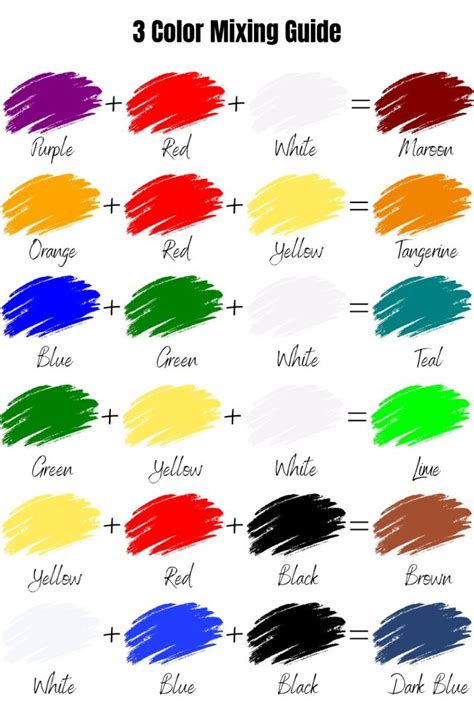
Similar to how green cancels out red due to their complementary positions on the color wheel, blue neutralizes orange. This principle makes blue color corrector particularly effective for correcting dark spots and hyperpigmentation, especially on fair skin tones. To ensure the blue tones do not show through, it's recommended to use sheer formulas, such as the Algenist Reveal Concentrated Color Correcting Drops in Blue. These serum-like drops can be mixed with primer or moisturizer for an all-over subtle correction. Following this, a full-coverage foundation can be applied to ensure no blue undertones are visible.
Blue color corrector is an essential tool for cooling down overly warm tones in the complexion. Its purpose is to neutralize warmth and create an even canvas before the application of concealer or foundation.
How to Determine if You Should Use a Blue Color Corrector
Blue color corrector is most effective when dealing with overly warm tones, particularly those with an orange or yellow hue. It is a targeted tool, not suitable for all types of discoloration, but it is the ideal solution for neutralizing excessive warmth.
What Skin Tones or Undertones Should Use a Blue Color Corrector?
Blue color corrector is beneficial for anyone looking to neutralize unwanted yellow or orange hues in their complexion, regardless of their skin depth. It is especially helpful for individuals with cool or neutral undertones who find their foundation or concealer leans too warm. It also serves as a smart solution for correcting hyperpigmentation or dialing back excess warmth from self-tanner or sunspots. Essentially, if warmth is the issue, blue is the answer, irrespective of your skin tone's depth; it's more about the undertone and the desired adjustment.
When to Incorporate Blue Color Corrector into Your Makeup Routine
The timing of blue color corrector application is crucial. It should be applied early in the makeup routine, after skincare and primer, but before concealer or foundation. Applying it directly onto the skin allows it to neutralize warmth effectively on a clean surface. Once blended and dried, subsequent complexion products can be layered over it without altering the rest of the makeup routine.
How to Apply COLOR CORRECTOR (Beginners Must Watch!)
How to Correctly Apply Blue Color Corrector
Step One: Prep Your Skin for Makeup
A smooth, hydrated base is essential for seamless makeup application. Start with freshly cleansed skin to ensure a clean canvas free from oil or residual makeup. Follow with a hydrating face moisturizer to prevent creasing, ensure even product glide, and maintain a fresh look throughout the day. If applying under the eyes, don't forget eye cream to help blend makeup and prevent settling into fine lines.
Step Two: Apply Face Primer
Apply a makeup primer suited to your skin type. Priming creates an ideal surface for color correction to adhere to and perform effectively, leading to a smoother, longer-lasting makeup look.
Step Three: Apply Blue Color Corrector
Once the skin is prepped and primed, apply the blue color corrector. Using a small concealer brush allows for precise application, gently patting the product into the skin without dragging. Avoid swiping motions, which can displace the product. After application, allow the corrector about 30 seconds to dry down and set before layering other products.
Step Four: Layer Your Concealer and Foundation
After the blue color corrector has set, apply your chosen foundation and concealer. Start with your preferred base product for your desired finish, followed by concealer to address any remaining concerns or add extra coverage. Properly layered, these products will create an even, balanced, and seamless makeup base.
Step Five: Finish Your Look with Setting Powder and Finishing Spray
To ensure longevity, lightly dust setting powder over the makeup, focusing on areas prone to shifting. The goal is to softly set the makeup without dulling the glow or emphasizing texture. Finally, mist setting spray over the face to meld all makeup layers together and enhance the look's staying power.
Common Mistakes to Avoid When Applying Blue Color Corrector
Using blue color corrector effectively requires attention to detail. Key mistakes to avoid include:
- Using too much product: A little goes a long way; excessive amounts can lead to an unnatural appearance.
- Incorrect placement: Blue is best suited for neutralizing overly warm, orange, or coppery areas; applying it elsewhere may not yield the desired results.
- Poor blending: Tapping and diffusing the edges ensures the corrector melts seamlessly into the skin.
The bottom line is to be targeted, blend meticulously, and ensure that your skin concern genuinely calls for blue correction.
Expert Tips for Using a Color Corrector That’s Blue
Precision is paramount when using blue color corrector. Utilize a small concealer brush to target only the warm areas requiring neutralization. Layer strategically: apply blue corrector after skin prep, let it set, and then follow with foundation and concealer. If your foundation appears too warm, a drop of blue corrector mixed in can effectively tone it down.
tags: #blue #color #corrector #for #foundation