Navigating the world of skincare can be a daunting task, especially when faced with two reputable brands like Avène and La Roche-Posay. Both French skincare powerhouses have garnered immense popularity for their high-quality products, often formulated with the therapeutic benefits of thermal spring water. This comparison aims to delve into their origins, product lines, key ingredients, and suitability for various skin types to help you make an informed decision for your unique skincare needs.
Brand Origins and Philosophy
Avène
Avène is a French skincare brand named after the small village of Avène in southern France. The thermal spring in this village is renowned for its therapeutic effects, particularly beneficial for sensitive and irritated skin. This natural attribute forms the cornerstone of Avène's product philosophy, focusing on gentle, soothing skincare solutions.
La Roche-Posay
Similarly, La Roche-Posay is another French brand with a strong connection to dermatology. Its name is derived from the town of La Roche-Posay, also famous for the soothing properties of its thermal spring waters. La Roche-Posay is dedicated to developing skincare that addresses a wide spectrum of skin concerns, often in collaboration with dermatologists.
Key Ingredients and Their Functions
Both brands often utilize a selection of core ingredients that contribute to their efficacy. Understanding these ingredients can provide further insight into their product formulations.
Thermal Spring Water
The primary unifying ingredient for both Avène and La Roche-Posay is their signature thermal spring water. This water is naturally enriched with minerals and has been clinically shown to possess calming, anti-inflammatory, and softening properties. It is particularly beneficial for individuals with sensitive, irritated, or compromised skin barriers.
Citric Acid
Citric acid is an alpha hydroxy acid (AHA) naturally found in citrus fruits. In skincare, it functions as an exfoliant by breaking down the bonds between dead skin cells, revealing smoother and brighter skin. However, its significant exfoliating effect is typically observed at high concentrations (around 20%), which are rarely found in cosmetic products. More commonly, citric acid is used in smaller quantities as a pH adjuster, helping to maintain a product's acidity for better compatibility with the skin's natural pH. While it can offer some benefits, research suggests that lactic acid and glycolic acid are generally more effective and less irritating exfoliants.
Most citric acid used in skincare today is produced through the fermentation of sugars, often derived from molasses.
Glycerin
Glycerin is a humectant that is naturally present in the skin, playing a vital role in moisturization and protection. A 2016 study indicated that glycerin is a more effective humectant than AHAs and hyaluronic acid. By attracting moisture to the skin, it helps maintain hydration. Its low molecular weight allows it to penetrate deeper layers of the skin, improving the skin barrier's function. A robust skin barrier is crucial for protecting against irritants and bacteria. Glycerin also exhibits antimicrobial and antiviral properties, making it a common ingredient in wound and burn treatments. In cosmetics, glycerin is typically derived from plant sources like soybeans or palm, but can also be sourced from animals.
Parfum (Fragrance)
Parfum, also known as fragrance, is a broad term encompassing a blend of chemicals or plant oils used to impart scent to products. The composition of "fragrance" can vary significantly, with each product featuring a unique mixture. Ingredients like Habanolide are proprietary aroma chemicals that fall under the general labeling of "FRAGRANCE" or "PARFUM" according to EU and US regulations. The term 'parfum' or 'fragrance' is not strictly regulated in many countries, allowing brands some discretion in its definition. Some brands may label products as "fragrance-free" even if they contain essential oils that impart a scent according to INCI standards, such as Calendula flower extract. Depending on the specific blend, fragrance ingredients can trigger allergies and sensitivities. Common EU allergens include linalool and citronellol. Parfum can also be used to mask unpleasant odors. It is important to note that not all fragrances are created equally, and individuals concerned about fragrances are advised to examine ingredient lists closely or consult with a professional.
Sodium Chloride
Sodium chloride, commonly known as salt, is frequently found in cleansers to create a gel-like texture and act as an emulsifier, preventing ingredients from separating. There is ongoing debate regarding its potential to cause comedones, and current research is divided on whether it directly causes acne. Salt may also be used as a primary exfoliating ingredient in scrubs.
Water
Water is the most ubiquitous ingredient in cosmetics, typically listed first on ingredient lists due to its high concentration. It is essential for life and serves as the fundamental base for many skincare formulations.
Sodium Hydroxide
Sodium hydroxide, also known as lye or caustic soda, is used to adjust the pH of products, ensuring that other ingredients function effectively. In small amounts, it is considered safe for cosmetic use. However, in larger quantities, its high alkalinity can cause chemical burns. Maintaining the skin's natural pH and acid mantle is crucial for preventing bacterial invasion and preserving hydration.
Sodium Benzoate
Sodium benzoate is a synthetic preservative used in both cosmetics and food to prevent the growth of mold and bacteria. Approved by regulatory bodies like the US FDA and the EU Health Committee, it works by inhibiting bacterial fermentation. It is the salt of benzoic acid and is found in various food products such as sodas, salad dressings, and fruit juices. While its use in cosmetics is permitted, specific research on its efficacy in multi-step skincare routines is limited.
Product Line Comparisons
Both Avène and La Roche-Posay offer extensive product ranges catering to diverse skin types and concerns. Here's a look at some popular examples:
Cleansers
- Avène Cleanance Cleansing Gel: Known for efficiently eliminating impurities without over-drying the skin.
- La Roche-Posay Effaclar Purifying Foaming Gel: Also praised for its ability to cleanse effectively while maintaining skin hydration.
Moisturizers and Treatments
- Avène Tolerance Extreme Cream: A favored choice for hypersensitive skin due to its concise ingredient list.
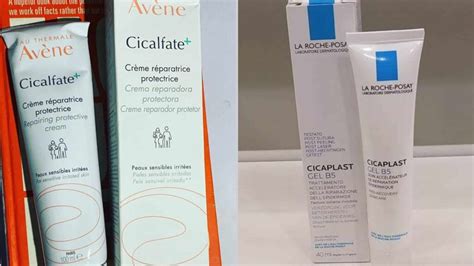
- Avène Cicalfate Restorative Skin Cream: Formulated to aid in skin repair.
- La Roche-Posay Effaclar Duo+: A well-regarded product for treating breakouts and helping to fade pigmentation. The reviewer noted this product consistently for almost 6 years due to its gentle formula, hydration, and treatment of breakouts.
- Avène Cleanance Comedomed: This product aims to refine skin texture and is suitable for acne-prone skin. It features X-Pressin, described as a gentler alternative to acids.
- Avène Cleanance Expert: Another option from the Cleanance line, noted for its texture and potential benefits for skin texture.
Sunscreens
Both brands formulate sunscreens suitable for various skin types, offering protection against UV damage.
Thermal Water Sprays
Avène Thermal Spray is highly regarded for its soothing properties, making it a great option for irritated skin.
Suitability for Skin Types
Sensitive and Irritated Skin
Both brands excel in catering to sensitive and irritated skin due to their reliance on thermal spring water and carefully selected ingredient lists. Avène, in particular, has built its reputation on addressing these specific concerns.
Oily and Acne-Prone Skin
La Roche-Posay's Effaclar line, such as the Effaclar Purifying Foaming Gel and Effaclar Duo+, is specifically designed for oily and acne-prone skin, offering effective control of shine and treatment of blemishes. Avène's Cleanance line also targets similar concerns.
Hypersensitive Skin
Avène's Tolerance Extreme Cream is often recommended for individuals with extreme sensitivity due to its minimalist formulation.
Pricing and Accessibility
While both brands offer high-quality products, Avène is often perceived as being more cost-effective, potentially making it more accessible to a wider range of consumers. However, both brands can frequently be found on sale, offering opportunities for savings.
Personal Experiences and Preferences
Individual experiences with skincare products can vary significantly. One reviewer found La Roche-Posay's Effaclar Duo+ to be a consistent favorite for its ability to fade pigmentation, provide hydration, and treat breakouts gently. While appreciating Avène's Cleanance Expert for its delightful texture, the reviewer ultimately prioritized Effaclar Duo+ due to its overall effectiveness and perceived better value.
Regarding fragrances, personal preferences differ greatly. Some individuals prefer citrus, fruity, vanilla, or caramel scents, while others are sensitive to certain floral notes like rose, jasmine, and gardenia, which can trigger migraines. Some find specific scents, like vinegar, to be soothing during migraines. The presence and type of fragrance in a product can be a significant factor for many users.
Product We LOVE and HATE from La Roche-Posay | Doctorly Reviews
Conclusion
The choice between Avène and La Roche-Posay ultimately depends on individual skincare requirements, concerns, and preferences. Avène specializes in mild, soothing skincare for sensitive and irritated skin, leveraging the therapeutic properties of its thermal spring water. La Roche-Posay also utilizes thermal spring water but offers a broader range of dermatologically focused products for various skin conditions, including acne and aging. By considering your specific skin type, concerns, budget, and ingredient sensitivities, you can confidently select the brand that best aligns with your skincare goals.