Facial redness, a common skin concern, manifests as erythema or flushing, often appearing as red patches on the face. It can be triggered by various factors, ranging from temporary irritation to chronic skin conditions. While some experience transient redness, others may face persistent redness that requires specific treatment. Dealing with facial redness can be a frustrating experience, impacting both confidence and comfort. Whether caused by skin sensitivities, rosacea, or environmental factors, redness often feels difficult to manage without the right approach. This guide will walk you through effective ways to reduce facial redness, exploring practical tips and skincare routines to soothe your skin. Whether you're seeking quick relief or long-term solutions, these strategies will help you achieve a more even complexion and regain control of your skin's health. Let's dive into the best methods for calming facial redness.
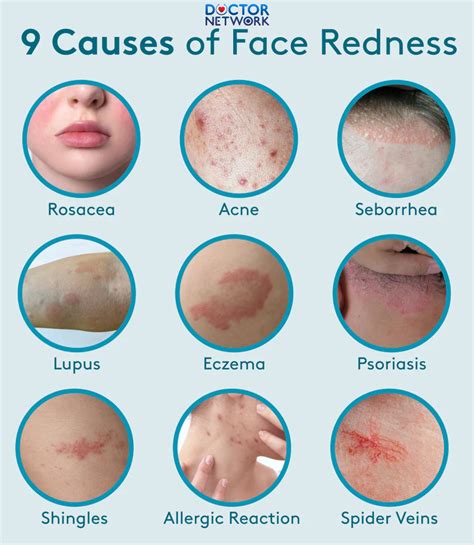
Common Causes of Facial Redness
Understanding the cause of your facial redness is crucial for effective management. Several factors can contribute to this condition:
Skin Conditions
Various skin conditions can lead to facial redness. These include:
- Eczema: Characterised by itching, dryness, and inflammation, eczema can cause redness on various body parts, including the face.
- Acne: Inflammatory acne lesions can cause significant redness.
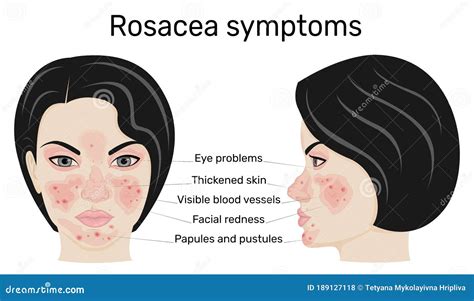
- Rosacea: This chronic skin condition often presents with redness, bumps, and visible blood vessels, particularly on the cheeks and nose. It is important to note that not all rosacea presents as redness, and not all redness is caused by rosacea. There are four types of rosacea, and it can also show as dryness or itchiness.
- Psoriasis: This condition can also manifest with red patches on the skin.
Skincare and Irritation
Over-exfoliating your skin can cause skin redness. Additionally, some skincare ingredients can irritate your skin and lead to redness. To help prevent this, it’s important to choose products with mild ingredients. Panthenol is one ingredient that can be gentle on the skin, helping to moisturize and soothe it. Products that are hypoallergenic or fragrance-free are also beneficial for sensitive skin.
Environmental and Lifestyle Factors
- Sunburn: Prolonged exposure to sunlight can damage the skin, resulting in painful redness, inflammation, and even blistering.
- Weather Changes: It’s important to keep your skin protected from the effects of weather changes.
- Diet: Your diet could also cause face flushing. It may be useful to limit the intake of spicy foods, alcohol, or very hot drinks.
- Stress: Managing stress is crucial. Engaging in relaxing activities such as yoga, meditation, or deep-breathing exercises can be very beneficial.
Other Symptoms
Facial redness may also accompany other symptoms such as swelling, bumps, pimples, dryness, burning, or stinging. Ocular type symptoms can include dry, irritated eyes, swollen eyelids, and a sensation of grit in the eyes. Severe cases can impair vision.
When to See a Dermatologist
If you experience persistent redness, severe symptoms, or suspect an underlying skin condition, it’s essential to consult a dermatologist. They can diagnose the cause of your facial redness and recommend appropriate treatment options, which may include topical or oral medication. You can search by location, condition, and procedure to find the dermatologist that’s right for you. A dermatologist is a medical doctor who specializes in treating the skin, hair, and nails.
Effective Ways to Reduce Facial Redness
Managing facial redness often requires a multifaceted approach, encompassing gentle skincare, sun protection, lifestyle modifications, and targeted ingredients. Consistency is key.
Gentle Skincare Routine
A gentle skincare routine is paramount for managing facial redness. Opt for mild, fragrance-free products specifically designed for sensitive skin. When dealing with an active flare-up, it’s best to minimize the skincare routine and use the bare essentials, as introducing too many new products can often make things worse.
Cleansing
Cleanser is the first step in anyone’s routine. If you’ve got red or rosacea-prone skin, you only need to cleanse at night (and not in the morning). Opt for something gentle and hydrating, avoiding anything too stripping, which is key to preventing a flare-up. Foaming cleansers can sometimes trigger a rosacea flare-up, so caution is advised if you choose one.
- Example Product: Cetaphil Moisturizing Cream is proven to be gentle on sensitive skin.
- Example Product: Vanicream has a super-hydrating, non-irritating formula suitable even during a flare-up.
- Example Product: Dove’s Sensitive Skin Beauty Bar is recommended for cleansing both body and face, as certain ingredients in body washes can throw off the skin’s pH level.
Toning
Toners don’t have to feel stripping. Milky and calming toners can both hydrate the skin and support skin-barrier function. These can feel soothing and help support the skin-barrier function.
- Example Product: Byoma Milky Toner contains calming, hydrating ingredients and has a lightweight, water-like consistency.
Serums and Treatments
For red and rosacea-prone skin, look for soothers and anti-inflammatories like ambophenol, azelaic acid, and centella asiatica. It’s advisable to choose one product from the selection below and introduce it slowly to identify any potential irritants.
- Example Product: Isdin Melatonik contains vitamin E and melatonin, which offer antioxidant benefits.
- Example Product: La Roche-Posay's visible-redness-reducing cream contains peptides and antioxidant-packed cooling thermal spring water to boost hydration. It is oil-free and fragrance-free, making it suitable for sensitive skin.
- Example Product: The Ordinary's serum can address issues like hyperpigmentation and acne while reducing redness.
- Example Product: Avene's antirougeurs line offers intensely moisturizing masks to soothe angry-looking skin.
- Example Product: Overnight treatment with centella asiatica and ophiopogon japonicus helps to reinforce and maintain the skin’s barrier.
Moisturizing
Hydration is key, and moisturizer is one of the most important steps. For an added boost, consider a barrier cream, which strengthens the skin's natural barrier function. A less compromised barrier means fewer flare-ups.
- Example Product: Tower28’s Barrier Moisturizer is a blend of hydrating ingredients and barrier-repairing components.
Skincare routine for sensitive and rosacea-prone skin by Dermatology | Dr. Jenny Liu
Sun Protection is Key
Protecting your skin from the sun is crucial for preventing and managing facial redness. Apply a broad-spectrum sunscreen with an SPF of 30 or higher daily, even on cloudy days. Reapply every two hours, especially after swimming or sweating. Mineral sunscreens, which use natural ingredients to create a physical barrier, are often preferred over chemical sunscreens, which may cause flare-ups.
- Example Product: A 100 percent mineral formula that is free of fragrance, dyes, and common irritants.
- Example Product: Elta MD mineral sunscreen is also recommended.
Lifestyle Changes for Calmer Skin
Certain lifestyle modifications can significantly impact skin health and reduce facial redness. In addition to managing stress and staying hydrated by drinking plenty of water, it’s important to identify and avoid potential triggers that may worsen redness. These can include spicy foods, alcohol, extreme temperatures, or certain skincare products. If you have dry skin, applying a moisturizer overnight can help prevent moisture loss.
Ingredients to Soothe and Calm Redness
Incorporating specific ingredients into your skincare routine can help calm and reduce redness.
Anti-inflammatory Agents
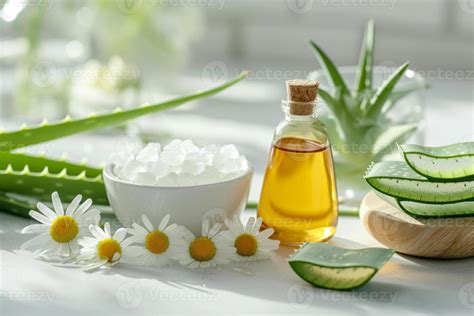
- Chamomile: Known for its soothing and calming effects.
- Aloe Vera: Cools and hydrates the skin, promoting healing.
- Oatmeal: Forms a protective barrier, relieving itching and soothing irritation.
Hydration Heroes
- Hyaluronic Acid: Attracts and retains moisture, keeping the skin plump and hydrated.
- Glycerin: Draws moisture to the skin, improving hydration and suppleness.
Antioxidants
Protect your skin from environmental aggressors with antioxidant-rich ingredients:
- Green Tea: Helps protect the skin from free radical damage.
- Vitamin C: Brightens the skin and helps reduce redness caused by sun damage.
Other Beneficial Ingredients
- Vinoclean Gentle Foam Cleanser: Helps remove impurities and refresh the skin.
- VinoHydra Hyaluronic Serum: Deeply hydrates and plumps the skin.
- VinoHydra Sorbet Cream Moisturiser with Hyaluronic Acid: Soothes and hydrates the skin.
- VinoHydra Moisturising Mask: Deeply nourishes and hydrates the skin.
- Ambophenol, Azelaic acid, Centella Asiatica: Known for their soothing and anti-inflammatory properties.
- Bakuchiol: A gentle retinol alternative that offers similar benefits without the irritation.
- Hypochlorous Acid Sprays: Calm irritation, support the skin barrier, and can balance the skin's microbiome.
Additional Tips to Minimize Redness
Cool Compress
Applying a cool compress to the affected area for 10-15 minutes can provide instant relief from redness and inflammation.
Concealing with Makeup
While addressing the underlying cause is crucial, makeup can help camouflage redness:
- Choose a green-tinted colour corrector to neutralise redness.
- Apply a light-coverage foundation or CC cream to even out skin tone.
LED Masks
There is evidence to suggest that LED masks can help with skin calming. The Omnilux LED mask is highly regarded for its efficacy, backed by numerous peer-reviewed studies.
By following the key tips in this article, you can help to avoid and reduce redness on your face, achieving a more even complexion and regaining control of your skin's health.