Collagen is the most abundant protein in the human body, accounting for up to 30% of total protein mass and playing a dominant role in connective tissues such as skin, cartilage, tendons, and bone. This article provides a comprehensive overview of collagen supplements, detailing their absorption, mechanisms of action, clinical benefits for skin, joints, and muscles, recommended dosages, safety considerations, and emerging medical applications.
Understanding Collagen Types and Sources
There are several types of collagen, each with specific functions. Type I collagen is crucial for strengthening bone, skin, tendons, and teeth, while Type II collagen primarily supports articular cartilage. The primary sources for raw collagen material are bovine hides and porcine skin due to the abundance and similarity of their fibrils to human collagen. Sustainable alternatives include marine fish skins, poultry waste, and ovine tissues, which utilize by-products.
Processing and Bioavailability of Collagen Supplements
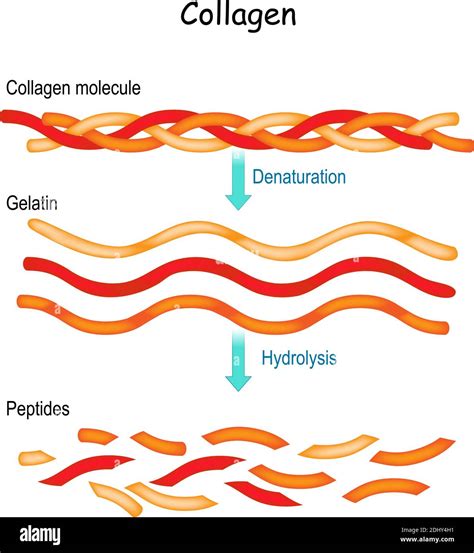
Collagen undergoes various processing methods to enhance its usability and bioavailability. Gelatin is produced through partial denaturation, retaining long polypeptide chains that can form thermo-reversible gels. A further step, enzymatic hydrolysis, breaks these chains into hydrolyzed collagen. This form is highly soluble in water, exhibits low viscosity, and is rapidly absorbed through the intestinal wall. These small peptides disperse easily in beverages, nutraceuticals, and biomedical matrices, offering higher bioavailability and more cost-effective doses compared to native collagen or gelatin.
Absorption and Mechanisms of Action
Oral collagen hydrolysates (CH) are broken down by gastric and pancreatic enzymes into free amino acids and short peptides. In humans, a single 10 g CH dose has been shown to increase plasma free hydroxyproline levels significantly, introducing measurable Pro-Hyp, hydroxyproline‑glycine (Hyp‑Gly), and related peptides. This suggests preferential liberation and high stability, which can enhance delivery to collagen-rich tissues like the skin, cartilage, and bone.
The digestion kinetics and transporter activity are influenced by several factors, including processing conditions, molecular weight, raw material origin, genetic variability, gut microbiome composition, and mucosal health. Collagen functions as a primary scaffold for the extracellular matrix, simultaneously providing mechanical and biochemical signals essential for tissue regeneration. Once absorbed, di- and tri-peptides can reach the dermis and cartilage, stimulating fibroblast proliferation, increasing type I and III procollagen messenger ribonucleic acid (mRNA) levels, and supporting hyaluronic acid and decorin production to restore tensile strength and hydration.
While hydrolyzed collagen primarily acts by supplying bioactive peptides and amino acids, undenatured (native) type II collagen may work through immune-mediated oral tolerance mechanisms, particularly at the joint. Additionally, collagen peptides may help reduce inflammation and oxidative stress that contribute to the erosion of connective tissues by suppressing the release of tumor necrosis factor α (TNF-α) and interleukin‑6 (IL-6).
Clinical Benefits of Collagen Supplementation
Skin Health
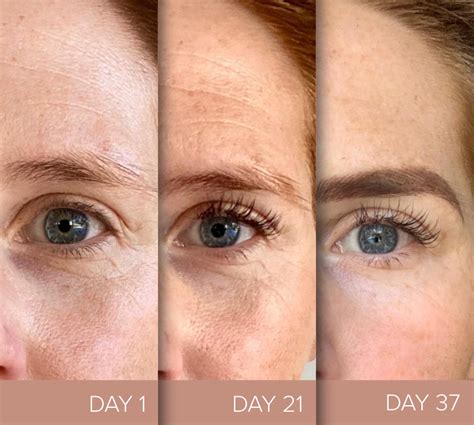
Randomized controlled trials (RCTs) and meta-analyses indicate that oral collagen peptides can improve skin outcomes. A meta-analysis of 19 studies involving 1,124 adults reported that 60-90 days of collagen supplementation led to increased skin elasticity and density, along with a reduction in wrinkle depth.
Joint and Bone Health
Orthopedic evidence suggests that collagen supplementation offers clinically relevant pain relief and structural preservation for joints. Multiple double-blind trials have reported lower Visual Analog Scale (VAS) and Western Ontario and McMaster Universities Arthritis Index (WOMAC) scores, reduced stiffness, and improved mobility compared to placebo groups. Imaging and biomarker studies have also recorded larger cartilage volumes and higher spinal or femoral bone mineral density in individuals consuming 5-10 g/day of collagen, particularly in post-menopausal women.
Muscle Mass and Strength
Four double-blind RCTs utilizing 15 g/day of collagen in conjunction with resistance training demonstrated significant improvements in lean mass and strength, alongside a reduction in fat mass. The benefits are most consistent when collagen supplementation is combined with regular resistance or physical training and is taken for at least 3-6 months.
Mental Health and Quality of Life
Some recent studies suggest improvements in mental health and quality of life measures, especially at daily doses of 10-20 g in active middle-aged adults. These benefits were observed between eight and 16 weeks after initiating treatment with doses ranging from 2.5 g/day up to 15 g/day.
Dosage Guidance and Safety Considerations
Collagen supplements vary widely in their source, peptide length, and added nutrients. In the United States, collagen products are classified as dietary supplements under the Dietary Supplement Health and Education Act. In the European Union, they are considered food supplements, regulated by the European Food Safety Authority (EFSA). While both regions enforce hazard analysis and good manufacturing practice requirements, pre-market review is more stringent in the EU.
Collagen supplements are generally well-tolerated. Mild gastrointestinal symptoms, allergic reactions, or taste disturbances are rarely reported. However, individuals with allergies to fish, bovine, porcine, or avian proteins should avoid products derived from those sources. Safety profiles can differ; for instance, marine products may trigger shellfish reactions, and bovine gelatin might carry a risk of prion transmission.
It is important to note that dietary supplements are not regulated by the FDA in the United States, placing the responsibility on consumers to vet these products. Many studies examining the health effects of collagen supplementation have involved small cohorts, used proprietary formulations, and lasted for a limited duration (twelve to twenty-four weeks). The clinical significance of reported benefits is still debated, and many effects are modest. Perceived benefits may also stem from increased protein intake or expectation bias rather than specific stimulation of endogenous collagen metabolism.
Emerging Medical Applications and Future Research
Accumulating evidence from short-term studies indicates that oral collagen peptides may improve skin elasticity, joint comfort, bone mineral density, and muscle recovery in individuals experiencing age- or disease-related deficits. While collagen is crucial for overall body composition and ease of movement, and aesthetically, increasing collagen production is a primary goal of professional skin care, ongoing research continues to explore its full potential in various medical and cosmetic applications.