In today's beauty industry, the demand for natural makeup is steadily rising as people become more conscious of the products they use and their impact on the environment. Natural makeup prioritizes the use of organic, plant-based ingredients derived from nature. Unlike traditional makeup products, which often contain synthetic chemicals and harmful additives, natural makeup harnesses the power of botanical extracts, minerals, and nourishing oils.
Benefits of Natural Makeup
Natural makeup offers a dual advantage, benefiting both personal health and the environment. By choosing these products, consumers can enjoy enhanced beauty routines while contributing to a more sustainable future.
Skin Health
One of the primary benefits of natural makeup is its gentle formulation. It is free from harsh chemicals, parabens, and synthetic dyes, making it particularly suitable for individuals with sensitive skin. This approach ensures that makeup application enhances appearance without compromising skin integrity.
Environmentally Friendly Practices
Choosing natural makeup also means supporting environmentally friendly practices. By opting for products that minimize synthetic chemicals and utilize sustainable sourcing and packaging, consumers contribute to reducing the environmental impact associated with traditional cosmetics manufacturing and disposal.
Navigating the World of Natural Makeup
Making the transition to natural makeup involves informed choices. Understanding how to read labels and considering individual skin types are crucial steps in selecting products that align with personal needs and values.
Reading Labels
A key aspect of selecting natural makeup is diligent label reading. Consumers should look for products that are certified organic, cruelty-free, and explicitly free from harmful ingredients. This ensures transparency and adherence to ethical and health-conscious standards.
Considering Skin Type
Similar to traditional makeup, natural formulations cater to a diverse range of skin types. Understanding your specific skin needs-whether it's oily, dry, or combination-will help in selecting natural makeup products that perform optimally and provide the desired finish.
Featured Natural Makeup Brands and Products
Several brands are at the forefront of the natural makeup movement, offering innovative products that combine efficacy with sustainability. These brands often prioritize plant-based ingredients, ethical sourcing, and eco-conscious packaging.
Elate Cosmetics
Elate Cosmetics is recognized as a Certified B Corp, adhering to rigorous third-party standards for social and environmental sustainability. A notable feature of their product line is the availability of reusable and refillable palettes, allowing consumers to replace makeup pans once depleted, thus minimizing waste.
River Organics
River Organics is a standout brand in the low-waste clean beauty sector. Their products are formulated with plant oils as a base, ensuring that each application softens, hydrates, and nourishes the skin. River Organics champions sustainability through its use of plant-based ingredients and commitment to recyclable packaging. Their Zero Waste Mascara and Zero Waste Brow Wax are particularly noteworthy.
A Personal Journey into Natural Cosmetics
The journey towards adopting natural cosmetics can be met with initial skepticism regarding performance and texture. However, a dedicated trial period can reveal the effectiveness and benefits of these products.
The 30-Day Natural Makeup Overhaul
The experience of switching to an exclusively natural beauty bag for 30 days led to the discovery of new favorite products and a significant improvement in both makeup application and skin health. This shift challenged preconceptions about natural cosmetics, demonstrating their viability for everyday use.
1. Dr. Hauschka Foundation
This natural foundation is praised for its smooth, blendable formula that provides coverage without feeling heavy or mask-like. Notable ingredients include coconut oil, macadamia nut oil, and pomegranate. Its sheer coverage is ideal for those seeking a natural finish, and its nourishing ingredients ensure all-day hydration without causing splotches or blotches.
2. RMS Beauty "Un" Cover-Up
As a go-to concealer, the RMS Beauty "Un" Cover-Up effectively masks under-eye circles and blemishes without creasing or clumping. Formulated with coconut oil and jojoba seed oil, it offers a lightweight feel, making it seem as if no makeup is being worn. It is also effective for spot treating pimples.
3. Tata Harper Volumizing Lip and Cheek Tint
This 100 percent natural and organic color pot serves a dual purpose, reducing the need for multiple products. Its silky smooth formula glides effortlessly onto lips and cheeks, providing a lasting rouge. Key ingredients include green tea, sunflower, and Spanish lavender. The pleasant floral scent adds to the user experience.
4. 100% Pure Lip Caramel
This highly-pigmented lip color is notable for its edible ingredients, with fruit extracts like pomegranate, cabernet grapes, and raspberry providing its color. The texture and color payoff are impressive, offering a matte stain that is both visually appealing and a potential source of fruit intake.
5. 100% Pure Maracujo Mascara: Black Tea
This mascara offers a more delicate effect compared to drugstore alternatives, providing a wispy, feathery look for subtle enhancement. Formulated with maracuja oil, black tea leaves, berry, and cocoa pigment, it adds a touch of definition without being overly dramatic. The inclusion of cocoa pigment is a unique feature.
6. Alima Pure Natural Definition Brow Pencil
Described as one of the silkiest brow pencils available, this product effectively fills in sparse areas with a soft, gliding color. Ingredients such as chamomile, jojoba oil, and macadamia nut seed oil contribute to its smooth application. The color lasts all day and resists smudging. Regular sharpening of the tip is required to maintain its precision.
7. HAN Skin Care Cosmetics Eyeshadow
This rice powder-based eyeshadow is lighter than many conventional options, making it ideal for layering and blending. The sheerness of the hues allows for subtle shading and definition of the eyelid. Ingredients include rice powder, argan oil, tea extracts, and plant pigments. For those with oily lids, carrying a pot for touch-ups is recommended, and application can be done with fingers.
8. Juice Beauty Defining Eyeliner
This eyeliner is well-suited for creating a dark, lived-in smoky eye or a bold winged look. Its formulation, rich in moisturizing oils like castor seed oil, organic coconut oil, and sesame oil, provides a strong color payoff. Using a primer beforehand is advised to prevent color transfer.
9. Vapour Organic Beauty Siren Lipstick
This lipstick features a buttery, smooth formula that is comfortable to wear, even on dry lips. It offers rich, full-color pigment that is eye-catching and suitable for various occasions. Key ingredients include Vitamin E, jojoba oil, rose, and tomato. While touch-ups may be needed, the color longevity is surprisingly good.
Understanding Science-Backed Natural Ingredients
A common misconception is that natural cosmetic ingredients lack the efficacy of their synthetic counterparts. However, scientific research increasingly validates the performance of natural ingredients, debunking the myth that "natural" equates to less effective.
The Concept of Science-Backed Ingredients
Science-backed ingredients are those that have undergone extensive research and study, providing a body of scientific evidence to support their efficacy and safety. This evidence can be gathered through various types of studies:
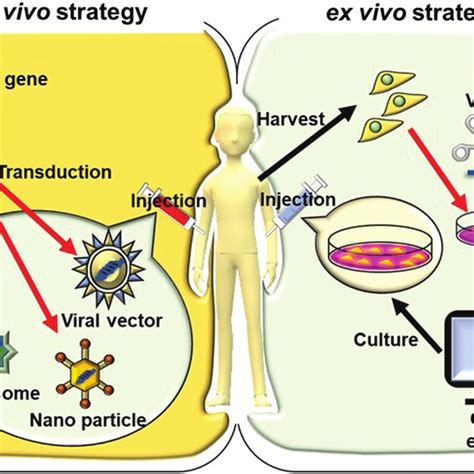
- In vitro studies: Conducted in laboratory settings (e.g., test tubes) to observe ingredient properties on isolated cells or microorganisms.
- Ex vivo studies: Performed on tissues outside of living organisms, such as dead animal or human skin, to assess ingredient reactions or penetration.
- In vivo studies: Conducted on live animals or humans. In the EU, animal testing for cosmetics has been banned since 2013, so these often involve human volunteers.
- Clinical studies: Tested on live volunteers to provide the most realistic results regarding product performance and effects.
- Review studies: Compilations and analyses of existing research, often linking to other relevant studies.
Navigating "Science-Washing"
The term "science-backed" can sometimes be used as a marketing tactic (science-washing) without substantial evidence. It is crucial for formulators and consumers to research ingredients thoroughly to ensure claims are substantiated. It's also important to note that the efficacy of individual ingredients may not always translate directly to the finished cosmetic product, which relies on ingredient synergy.
Top Science-Backed Natural Ingredients
Several natural ingredients have demonstrated significant benefits supported by scientific evidence:
1. Jojoba Oil
Derived from jojoba plant seeds, this golden oil is an excellent emollient and moisturizer. Scientific studies indicate it possesses anti-inflammatory, antimicrobial, and antifungal activities, making it beneficial for improving skin barrier function and reducing dryness. It is versatile and can be used in a wide range of formulations.
2. Rosehip Oil
A rich source of alpha-linolenic acid, rosehip oil has anti-inflammatory and antioxidant properties that can aid in skin barrier repair, alleviate dry skin symptoms, and potentially boost collagen production. Some studies suggest it may help reduce scars, though more research is needed.
3. Squalene and Squalane
Squalene is a natural lipid found in skin sebum. Studies suggest it can help repair the skin's lipid barrier and reduce transepidermal water loss. Squalane, its hydrogenated form, may benefit mature skin by restoring suppleness and flexibility.
4. Rosemary
Rich in antioxidants, rosemary extract protects the skin and hair from free radical damage, which contributes to premature aging. Its astringent properties can tone the skin, and its antimicrobial benefits can help manage excess scalp oil. It can be used in various forms, including essential oil, powder, or CO2 extract.
5. Green Tea
Green tea possesses anti-inflammatory properties beneficial for improving dry and damaged scalps. It can be incorporated into toners, eye creams, and face serums.
6. Hyaluronic Acid
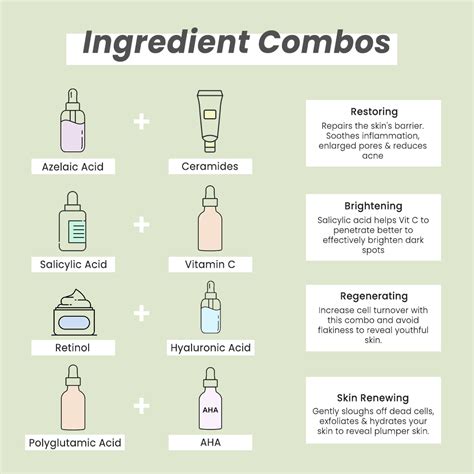
Naturally present in the skin, hyaluronic acid is vital for hydration, firmness, and elasticity. As a powerful humectant, it attracts and binds water molecules, maintaining skin hydration and plumping effects. Different molecular weights offer varying benefits, from deep hydration to surface barrier protection.
7. Ceramides
These are essential lipids that help prevent water loss and dehydration. Ceramides improve skin hydration and maintain the integrity of the skin barrier. They can be incorporated into formulations by heating them in the oil or water phase, depending on their form.
8. Bakuchiol
Often referred to as "nature's retinol," bakuchiol is a natural alternative that stimulates collagen production, helping to reduce signs of aging and increase skin elasticity. Unlike retinol, it is generally better tolerated and can be used during the day.
9. Niacinamide
This form of Vitamin B3 can improve skin barrier function, increase skin elasticity, and help reduce signs of premature aging like wrinkles and fine lines. It may also impact sebum production and reduce hyperpigmentation.
10. Vitamin C
Vitamin C derivatives, particularly esters, offer antioxidant benefits and are often more stable and less irritating than pure ascorbic acid. They can be added to both water-based and oil-based formulations, with oil-soluble esters being a good starting point for beginners.
Beginners Eye Makeup Tutorial | Parts of the Eye | How To Apply Eyeshadow
The growing demand for evidence-backed natural ingredients presents an opportunity for formulators to create safe and effective cosmetic products. By understanding the scientific basis behind these ingredients, consumers and manufacturers alike can make more informed choices, promoting both personal well-being and environmental sustainability.