Sun rash, also known as sun allergy or polymorphous light eruption (PMLE), is a common skin reaction to excessive exposure to ultraviolet (UV) rays from the sun. While many people can enjoy sunshine without issue, individuals with sun rash experience an immune system response that manifests as various skin irritations.
Understanding Sun Rash
Sun rash is a type of photodermatosis, a condition where exposure to sunlight triggers a reaction on the skin. It is important to distinguish sun rash from a simple sunburn, which is a direct inflammatory and cellular damage response to UV radiation. Sun rash, on the other hand, is an immune-mediated reaction.
One of the most frequent forms of sun rash is polymorphous light eruption (PMLE), sometimes referred to as sun poisoning. Despite its name, PMLE is not life-threatening but can cause significant discomfort. This condition can be hereditary, meaning it may run in families. Additionally, certain medications, such as antibiotics and pain relievers, can increase photosensitivity, leading to a sun rash. Even exposure to certain natural substances, like limes, can trigger a reaction in susceptible individuals. Furthermore, some skincare ingredients, including retinols, glycolic acid, benzoyl peroxide, and vitamin C, can heighten the skin's sensitivity to the sun.
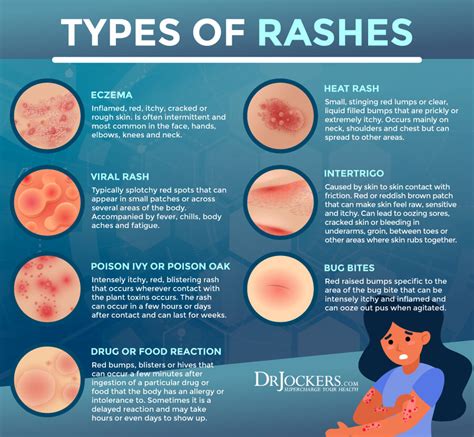
Sun rash can affect any part of the body exposed to sunlight, but it commonly appears on the arms, legs, hands, and the back of the neck. It is crucial to differentiate sun rash from heat rash (prickly heat), which occurs due to blocked pores trapping sweat in hot, humid weather, rather than direct sun exposure.
Symptoms of Sun Rash
The characteristics of a sun rash can vary depending on an individual's skin type and the specific cause, but common symptoms include:
- Groups of small bumps or blisters.
- Itchy patches that may appear red, purple, gray, or brown, depending on skin tone.
- Areas of skin that feel like they are burning.
- Raised or rough patches of skin.
In rare cases, individuals may experience a condition called solar urticaria, characterized by sun-induced hives. This allergic reaction can produce raised, inflamed, itchy welts that appear rapidly after sun exposure and can last from a few minutes to several hours. Solar urticaria is a chronic condition that can persist for years.
Symptoms of solar urticaria can also include:
- Faintness
- Breathlessness
- Headache
- Other allergy symptoms
These more severe symptoms typically occur within minutes of sun exposure for individuals with solar urticaria.
How UV Rays Damage Skin
Diagnosis of Sun Rash
A diagnosis of polymorphous light eruption is often made by a healthcare professional based on a physical examination and the patient's history. To confirm the diagnosis or rule out other conditions, laboratory tests may be performed:
- Skin biopsy: A small sample of skin tissue is removed for laboratory testing.
- Blood tests: Blood is drawn for analysis in a laboratory.
- Phototesting: A dermatologist exposes small areas of skin to measured amounts of ultraviolet A (UVA) and ultraviolet B (UVB) light. If the skin reacts, it indicates photosensitivity, suggesting polymorphous light eruption or another light-induced disorder.
Healthcare providers may also need to rule out other disorders that cause light-induced skin reactions, such as:
- Chemical photosensitivity: Certain chemicals in drugs, lotions, fragrances, or plant products can cause photosensitivity.
- Solar urticaria: As mentioned, this leads to hives after sun exposure.
- Lupus rash: Lupus is an inflammatory disorder that can cause a bumpy rash on sun-exposed skin, like the face and neck.
Preparing for Your Doctor's Appointment
When seeking medical advice for a suspected sun rash, it's helpful to be prepared. You'll likely start with your primary care doctor. Before your appointment, consider the following:
- Ask about restrictions: Inquire if there are any pre-appointment restrictions.
- List symptoms: Document all symptoms you are experiencing, even those that seem unrelated.
- Key personal information: Note any major stresses or recent life changes.
- Medications: List all medications, vitamins, and supplements you are taking, including dosages.
- Questions for your doctor: Prepare a list of questions, such as:
- What tests do I need?
- When did the rash appear?
- Does it itch or cause pain?
- Have you had a fever associated with the rash?
- Do you have any other symptoms?
- Did you recently start a new medicine?
- Have you recently used a cosmetic or fragrance in the area of the rash?
- Have you had a similar rash before? When?
- Has the duration of your sunlight exposure increased recently?
- Have you recently used a tanning bed or lamp?
- Do you use sunscreen?
Home Treatment for Sun Rash
Treatment for polymorphous light eruption is often not necessary as the rash typically resolves on its own within 10 days. However, if symptoms are severe, a healthcare professional may prescribe anti-itch medication, such as a corticosteroid cream or pill. For those with disabling symptoms, phototherapy, which involves exposing the skin to small doses of UVA or UVB light, may be suggested to help the skin become less sensitive to light.
In the meantime, several home remedies can help alleviate discomfort:
- Apply anti-itch cream: Over-the-counter creams containing at least 1% hydrocortisone can provide relief.
- Take antihistamines: Oral antihistamines can help manage itching.
- Use cold compresses: Applying a cool, damp towel to the affected skin or taking a cool bath can soothe irritation.
- Leave blisters alone: To prevent infection and promote healing, do not break blisters. If necessary, cover them lightly with gauze.
- Take a pain reliever: Nonprescription pain medications can help reduce inflammation and pain.
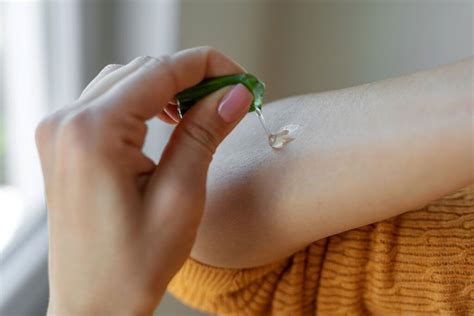
- Use gentle moisturizers: Fragrance-free moisturizers with ingredients like ceramides, hyaluronic acid, or colloidal oatmeal can soothe dry or irritated skin as it heals.
- Oatmeal baths: Adding colloidal oatmeal to a lukewarm bath can calm sunburned skin and relieve itching.
- Vinegar compresses: Dilute white vinegar with water and apply with a soft cloth.
- Cool tea bags: Brewed and chilled black tea bags can be applied to soothe the skin.
- Honey: Applying honey can moisturize, reduce inflammation, and promote healing.
- Baking soda paste: A paste made from baking soda and water can offer natural relief.
Prevention is Key
The most effective way to manage sun rash is through prevention. Taking proactive steps can significantly minimize the risk of developing a rash:
- Protect from further sun exposure: When going outside, cover the areas where the rash has developed. Avoid prolonged sun exposure, especially during peak hours when the sun's rays are most intense.
- Use sunscreen: Apply a broad-spectrum sunscreen with a sun protection factor (SPF) of at least 30, fifteen minutes before going outdoors. Reapply every two hours, or more often if swimming or perspiring. Ensure spray sunscreens cover the entire area completely.
- Cover up: Wear tightly woven clothing that covers your arms and legs. A broad-brimmed hat offers more protection than a cap or visor. Consider clothing specifically designed for sun protection, labeled with an ultraviolet protection factor (UPF) of 40 to 50. Follow care instructions to maintain their protective features.
- Avoid known triggers: If certain foods, medications, or skincare products trigger your rash, avoid contact with them, especially during summer months.
- Stay hydrated: Drink plenty of water throughout the day, particularly when spending time outdoors.
- Be aware of reflective surfaces: Water, sand, snow, and concrete can intensify UV radiation.
- Protect your lips: Use lip balm with SPF.
- Understand the UV index: Plan outdoor activities according to the UV index to minimize exposure during peak intensity.
- Protect children: Keep infants under six months out of direct sunlight, dress them in protective clothing, and use sunscreen on exposed skin.

While home remedies can alleviate symptoms, it's essential to consult a healthcare professional if the rash does not improve, if you are unsure about treatment, or if you experience severe symptoms such as blistering, widespread rash, or fever. In some cases, prescription medications or specific treatments like hydroxychloroquine may be necessary to manage persistent or severe sun rashes.